Few design movements have aged as gracefully as the one William Morris built in the Victorian era. His conviction that everyday objects should be beautiful — that the walls you live within deserve the same craftsmanship as a painting — feels remarkably current in an age of mass-produced interiors. William Morris Peel and Stick Wallpaper is one of the easiest ways to bring that philosophy into a bedroom today: intricate botanical patterns, rich color palettes, and a sense of genuine character without the permanence of traditional wallpaper installation.
Quick Answer
The core of the William Morris bedroom look is botanical pattern layered with warmth, restraint, and natural materials. Morris-inspired wallpaper works best when paired with simple furniture, warm lighting, and a cohesive palette of greens, indigos, terracotta tones, and creams.
In this guide
Choosing the Right William Morris Pattern for a Bedroom

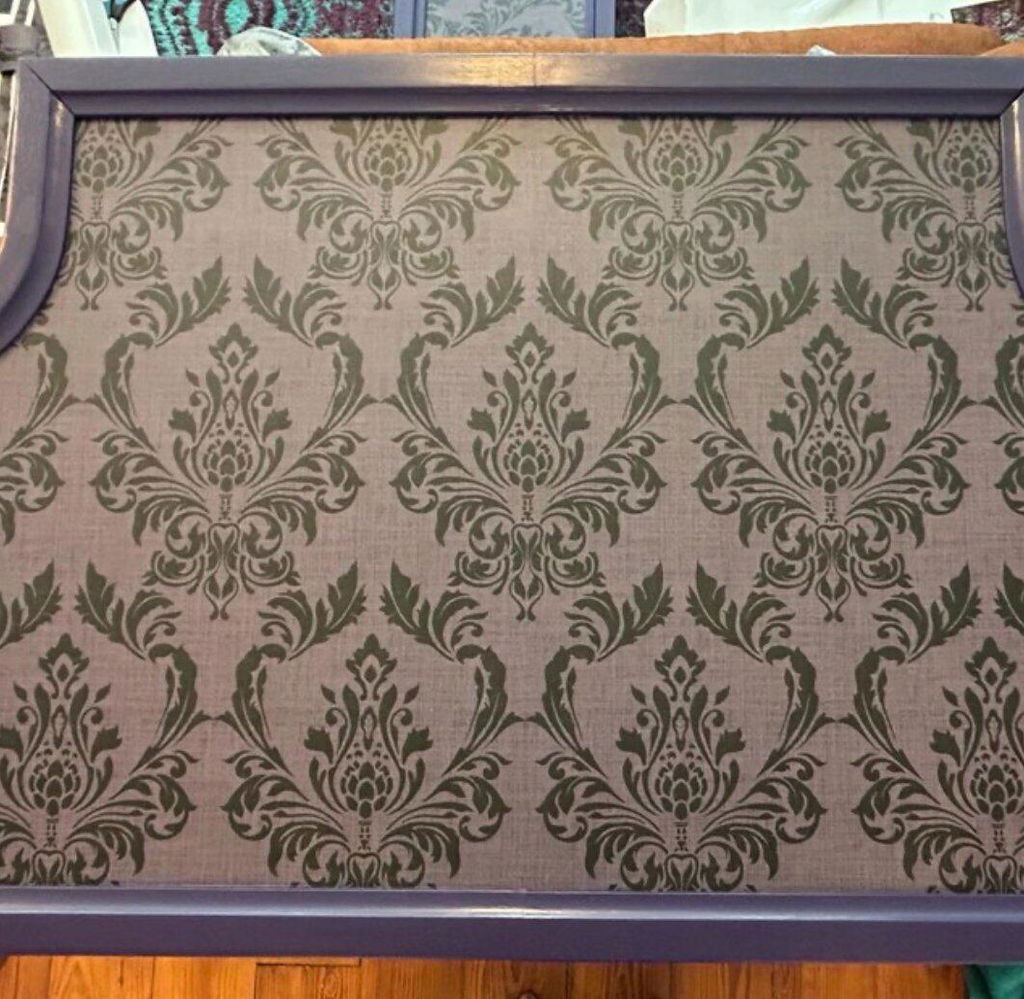
Not all Morris patterns translate equally well to a bedroom context. The original designs range from dense, highly detailed arrangements like Acanthus and Trellis to more open, flowing compositions like Willow Bough and Blackthorn. In a bedroom, where the goal is atmosphere rather than spectacle, the more open patterns generally work better across all four walls.
Dense, high-contrast designs are usually more successful as accent walls behind the bed, where they create focus without overwhelming the room.


Flowing botanical prints — trailing branches, willow-style verticals, and climbing vines — are the most bedroom-appropriate expressions of the Morris aesthetic. The vertical rhythm of these patterns creates a calm, organic quality that feels genuinely restful.
Bird-and-foliage compositions in the Strawberry Thief tradition work beautifully in bedrooms with a more maximalist sensibility. These patterns suit larger rooms or feature walls rather than smaller spaces with full coverage.


Designer Tip
If the bedroom is small or receives limited natural light, use lighter Morris patterns with softer backgrounds. Save darker, denser prints for larger bedrooms or feature walls.
Color Palette: The Foundation of the Morris Bedroom

William Morris worked with a color philosophy rooted in natural dyes — indigo blues, madder reds, walnut browns, and earthy greens. These tones coexist naturally because they belong to the same warm tonal family.
In a bedroom, this creates a palette that feels layered and harmonious rather than overly styled. Forest green with cream, deep indigo with warm white, and terracotta with sage remain some of the most versatile Morris-inspired combinations today.


What to avoid: pairing Morris wallpaper with cool blue-toned whites or highly saturated contemporary colors. Morris patterns rely on warmth and depth. Cool modern palettes tend to flatten the richness of the design instead of enhancing it.

If your bedroom has north-facing light, lean into deeper and warmer Morris colorways rather than trying to brighten the room with pale prints that may appear washed out.


Designer Tip
Use bedding and curtains in solid natural tones rather than additional patterns. Morris wallpaper already provides visual richness, so the surrounding palette should feel calm and grounded.
Accent Wall vs. Full Coverage
This decision determines the overall mood of the room. Full coverage — all four walls in the same pattern — creates an immersive effect that can feel extraordinary when balanced with simple furniture and natural light.

An accent wall behind the bed is the more accessible approach and works across a wider range of bedroom sizes. It gives the room character while keeping the overall atmosphere lighter and easier to update over time.
Peel and stick wallpaper makes this especially practical. No permanent adhesive, no professional installation, and the flexibility to experiment with pattern and color before committing to a larger transformation.
Designer Tip
If you are uncertain about full coverage, start with the wall behind the bed. It creates immediate atmosphere while allowing the remaining walls to stay soft and balanced.

Where to Source Quality Morris-Inspired Wallpaper
Finding William Morris-inspired wallpaper that combines authentic pattern quality with practical removability used to mean choosing between expensive traditional wallpaper and lower-quality reproductions.
CostaCover's William Morris peel and stick collection offers a more practical middle ground — richly detailed botanical designs in a removable format suitable for renters and homeowners alike. Testing samples in your own bedroom lighting is one of the easiest ways to choose the right Morris pattern confidently.

Furniture and Textiles: Keep It Simple
The wallpaper should remain the room's focal point. Natural materials work best around Morris-inspired walls: dark wood bed frames, linen bedding, wool throws, wicker accents, and warm-toned lighting.
Avoid heavily patterned upholstery or ornate furniture silhouettes that compete with the intricacy of the wallpaper. The most successful Morris-inspired bedrooms rely on restraint rather than excess.
Solid linen bedding, soft curtains, and layered textures create warmth while allowing the wallpaper to carry the visual complexity of the room.
Explore Timeless Botanical Wallpaper Designs
Browse William Morris peel and stick wallpaper patterns inspired by classic Victorian interiors.
William Morris Peel and Stick WallpaperFAQ
What wallpaper patterns are most associated with William Morris?
William Morris is most associated with detailed botanical patterns featuring vines, flowers, birds, leaves, and repeating natural motifs inspired by gardens and medieval textiles.
Can William Morris wallpaper work in a modern bedroom?
Yes. Morris wallpaper works especially well in modern bedrooms when paired with simple furniture, clean bedding, and natural textures that allow the wallpaper to become the focal point.
Should William Morris wallpaper be used on all walls?
Both full coverage and accent walls can work beautifully. Full coverage creates an immersive Victorian-inspired atmosphere, while an accent wall behind the bed offers a lighter and more flexible approach.
What colors pair best with William Morris wallpaper?
Warm neutrals, deep greens, indigo blues, terracotta tones, walnut wood, cream, brass, and soft natural linens pair especially well with Morris-inspired wallpaper.
How do you keep Morris wallpaper from feeling too busy?
Balance detailed wallpaper with simple furniture, solid textiles, warm lighting, and natural materials. Avoid layering too many competing patterns in the same room.