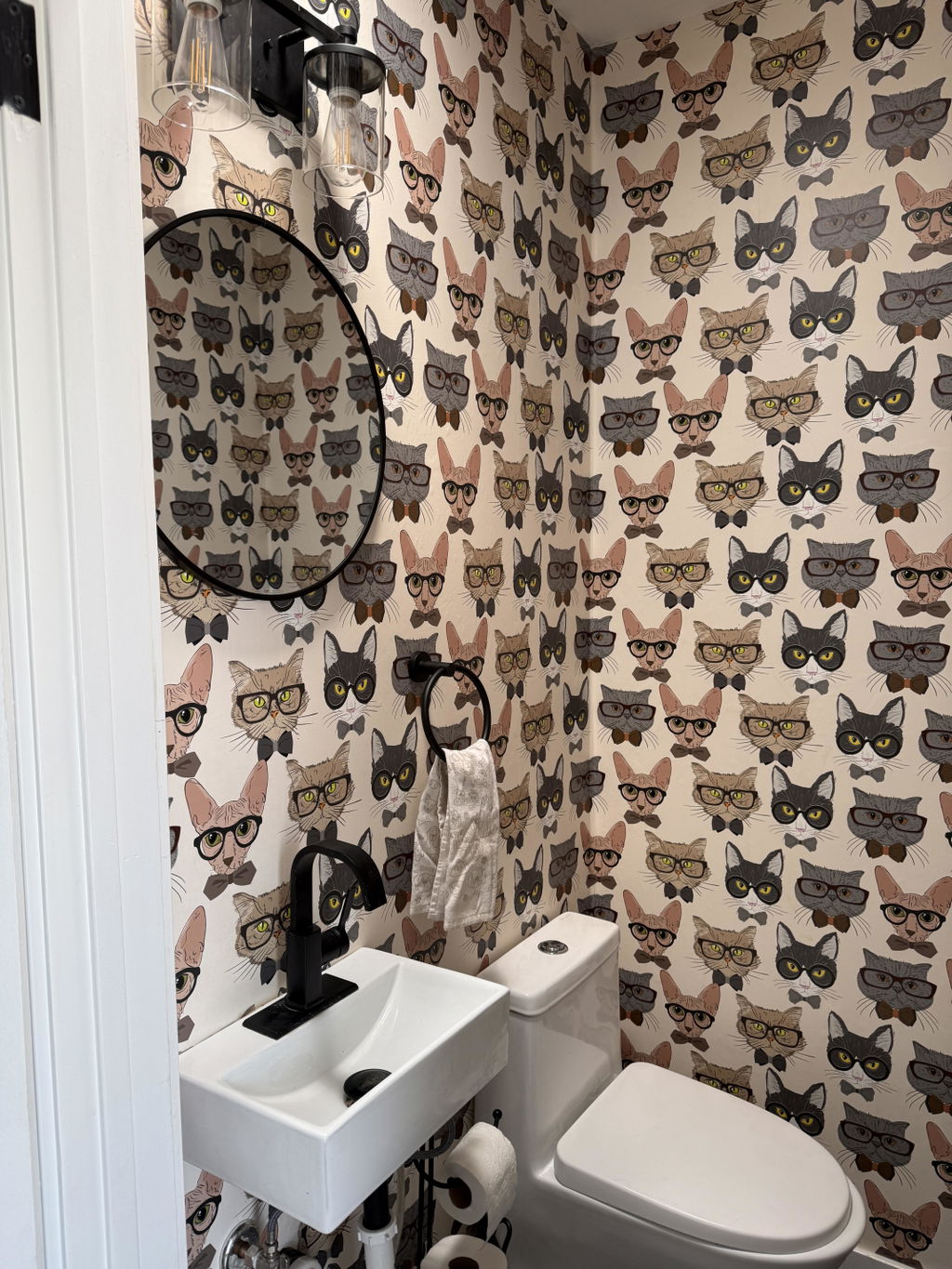
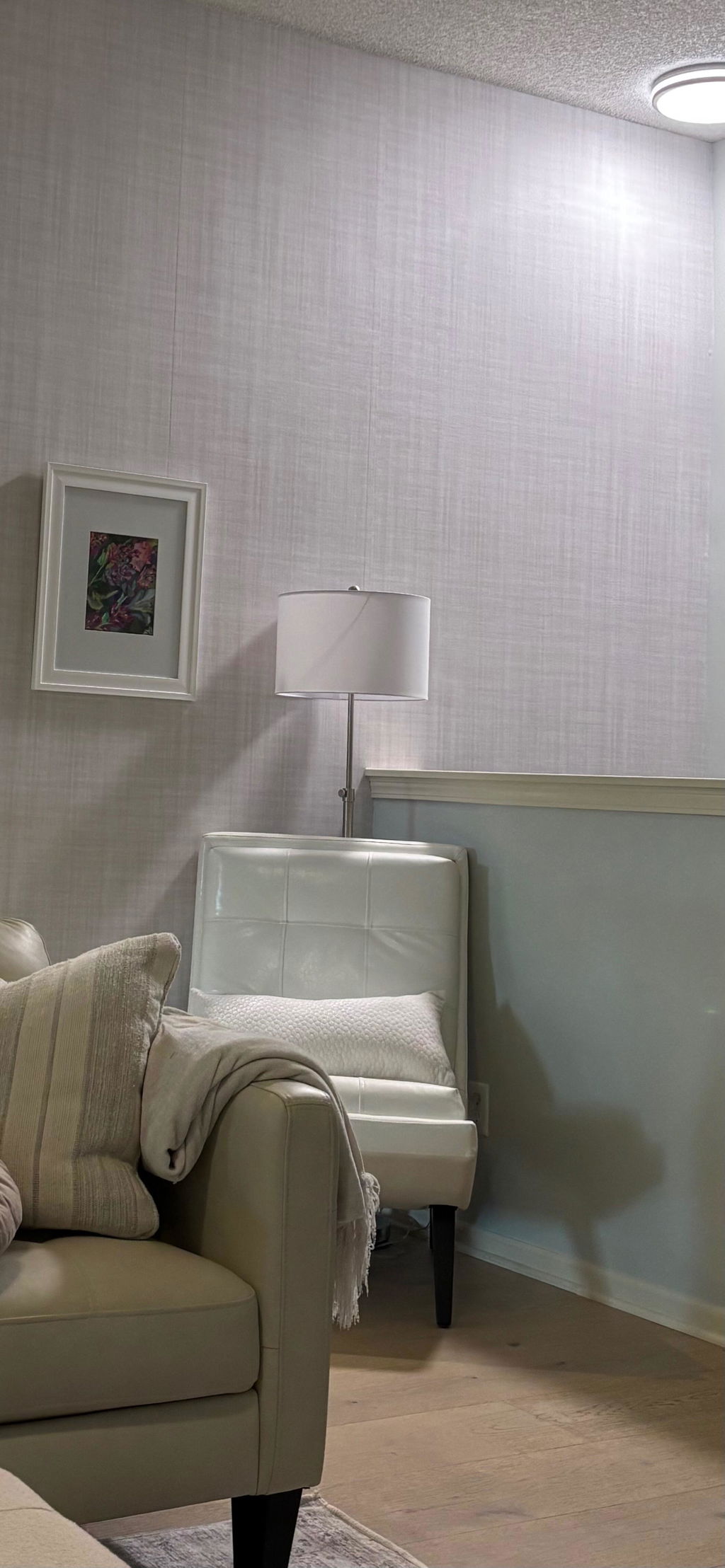
At Costa Cover, we take pride in creating high-quality wall murals and peel and stick wallpapers that not only look stunning but are also easy to install. We understand that the installation process can be overwhelming for some, but we have designed our products with an overlap to ensure a seamless and professional-looking installation every time.
Do you Overlap Peel and Stick Wallpaper?
If you're wondering whether or not to overlap wallpaper, the answer is a resounding yes! When you receive your removable wallpaper or mural, you'll notice an "OVERLAP" sign at the top of each panel. This sign indicates that the edges should be overlapped by one full inch when installing the next panel. This overlapping technique is crucial as it helps to maintain the continuity of the image, and prevents any visible gaps or seams between panels.
How to Overlap Wallpaper?
According to the industry standards, peel and stick wallpaper panels are printed with a deliberate 1-inch overlap. It is essential to follow the overlap instructions to ensure that the installation is successful wallpaper overlapping seams. Even a slight misalignment can result in a significant visual discrepancy between panels. In some cases, it can cause the image to appear distorted or stretched.
Removing overlaps
1. Peel & Stick Wallpaper
The 1-inch overlap is a precautionary measure designed to compensate for potential panel movement caused by environmental factors such as temperature changes (heat or cold), proximity to radiators or air conditioners, and other room conditions. The overlap helps preserve image alignment and prevents visible gaps or seams between panels over time.
We do not recommend removing the overlap for any type of peel and stick wallpaper. Although self-adhesive wallpapers are easy to install and remove, they can contract slightly over time, especially in humid environments. Removing the overlap can cause the wallpaper to shrink, potentially leading to visible seams between panels after installation.

2. Traditional Wallpaper
Often, professional installers may use a double-cut technique to remove the overlap. This method is suitable for traditional paste-applied wallpapers, which are not prone to shrinkage. This technique may be used when installing our traditional wallpapers only.

Maintaining Overlap for Peel and Stick Wallpaper on Textured Walls
When it comes to installing peel and stick wallpaper on textured walls, maintaining the overlap is crucial. Textured walls can cause uneven contraction or expansion, making it important to keep the overlap in place. If you remove the overlap, it can cause the wallpaper to buckle or peel, resulting in an unsightly and potentially costly installation. To ensure the best results, we recommend reading our articles "Wall requirements" and "Can you put wallpaper on textured walls" for further information on the proper textured wall. In addition, we also offer "Guide to installing peel and stick wallpaper" to help you through the process. By following these guidelines and keeping the overlap intact, you can achieve a flawless and long-lasting installation that will enhance the beauty of your space.
Conclusion
In conclusion, the overlap is a small but important detail that should not be overlooked when installing any type of wallpaper or mural, including peel and stick wallpaper. By maintaining the overlap, you can ensure a seamless and professional-looking installation that will last for years. Trust Costa Cover for your next peel and stick or traditional wallpaper, wall mural, or wallpaper installation, and let us help you transform your space into a work of art.