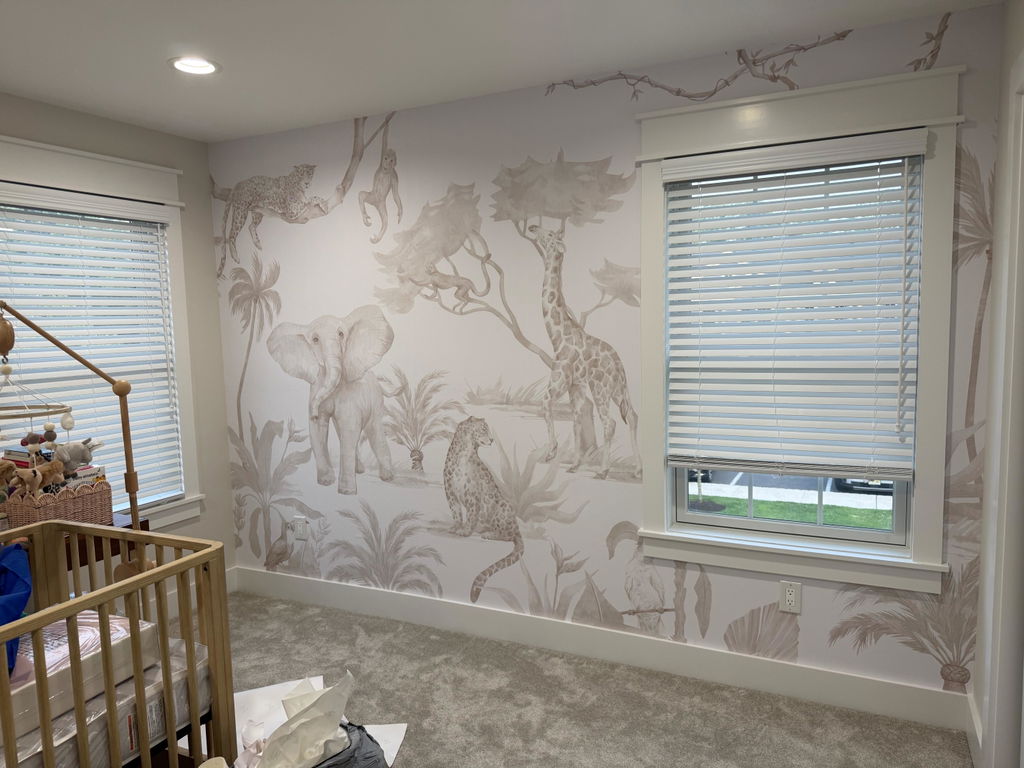
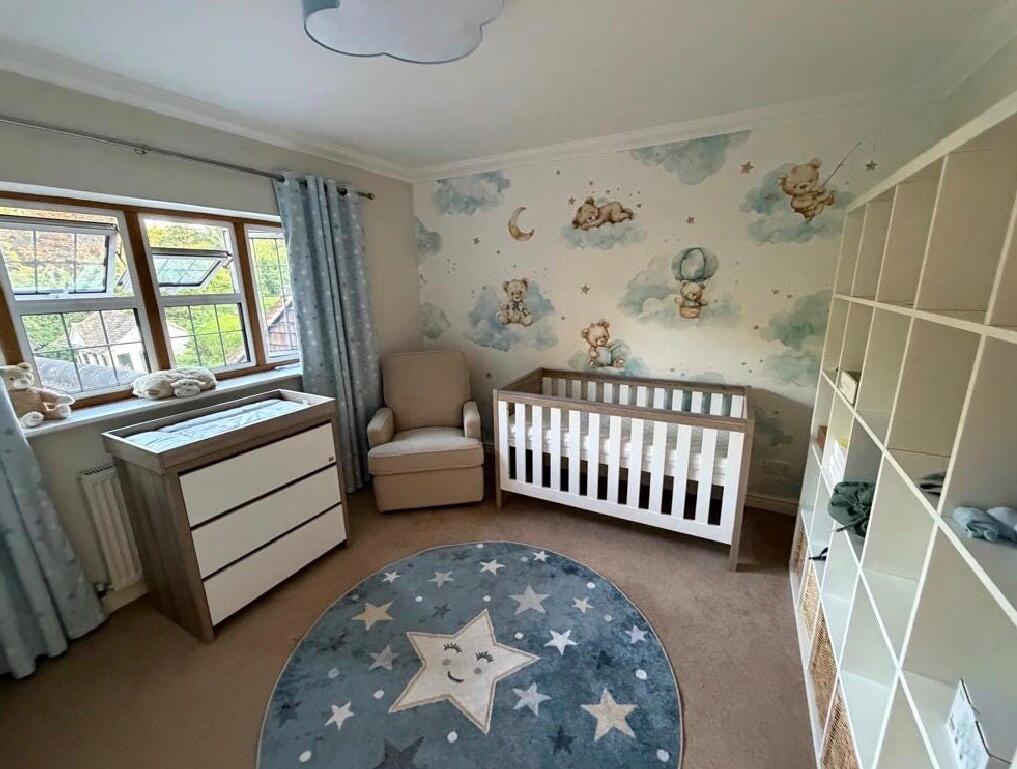
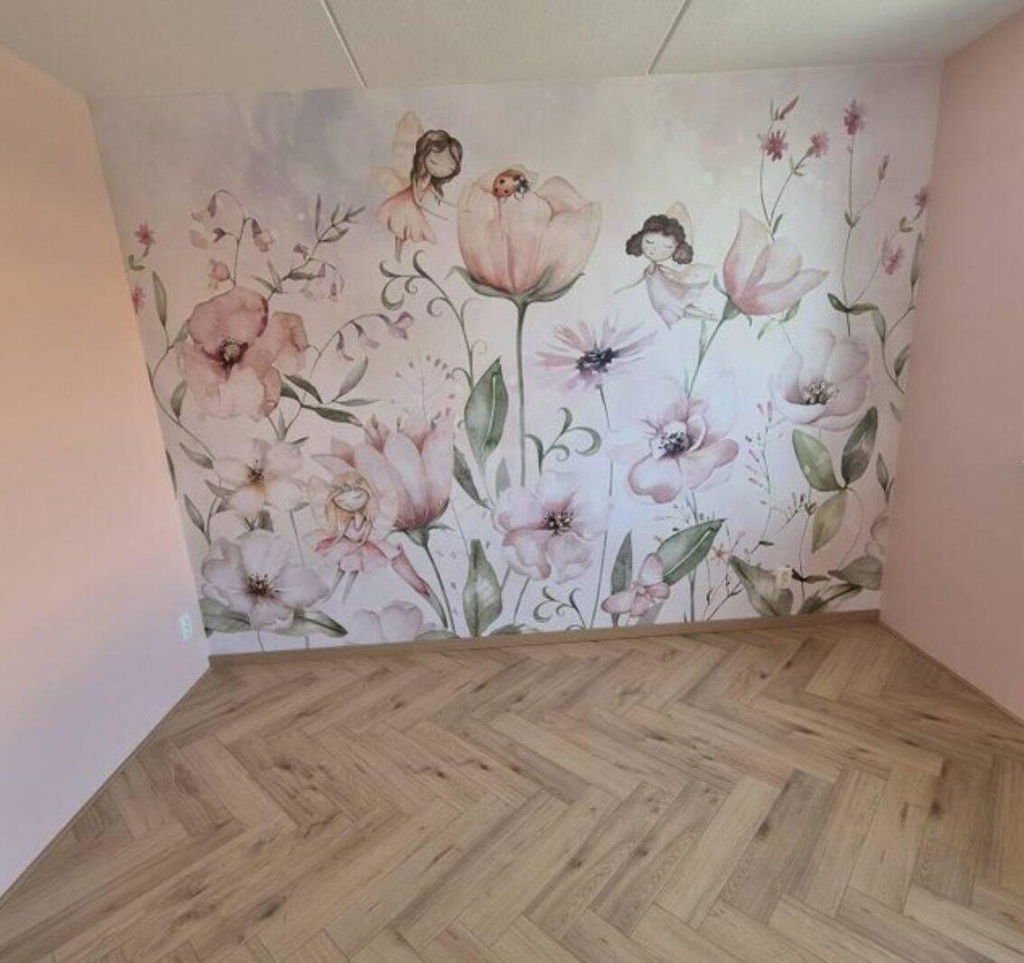
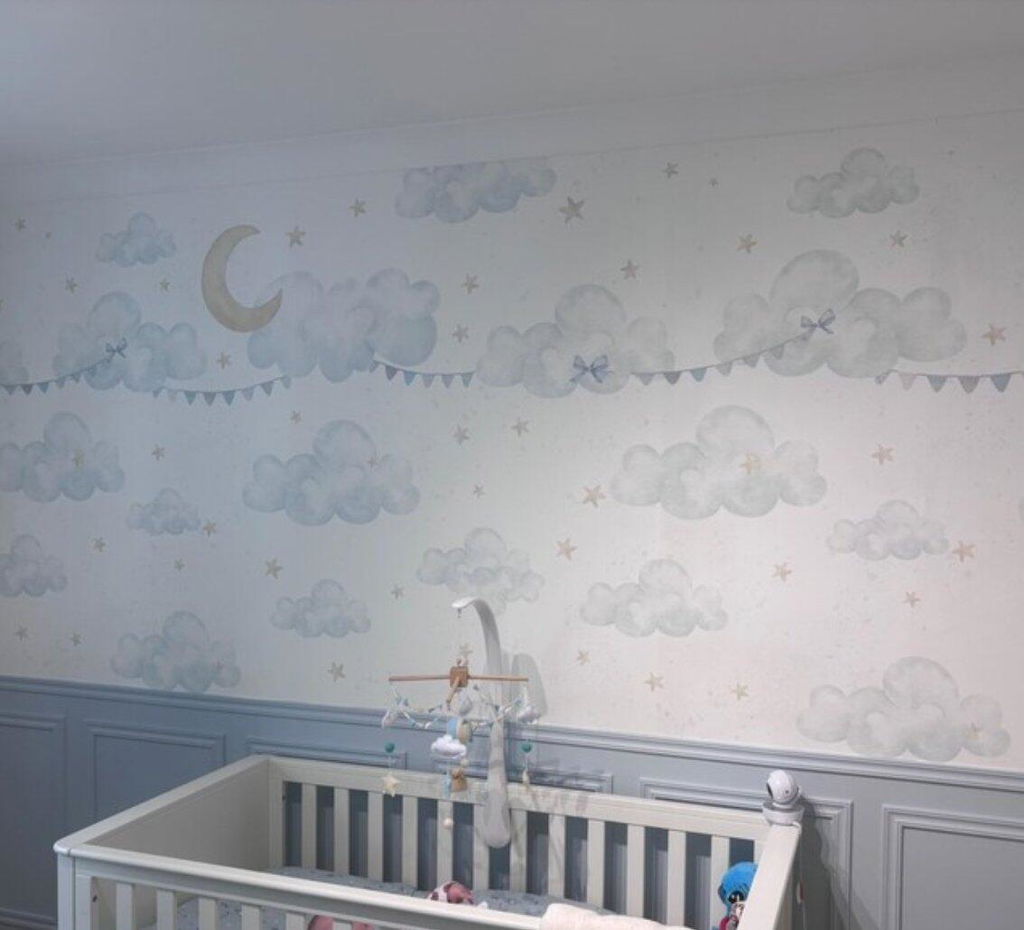
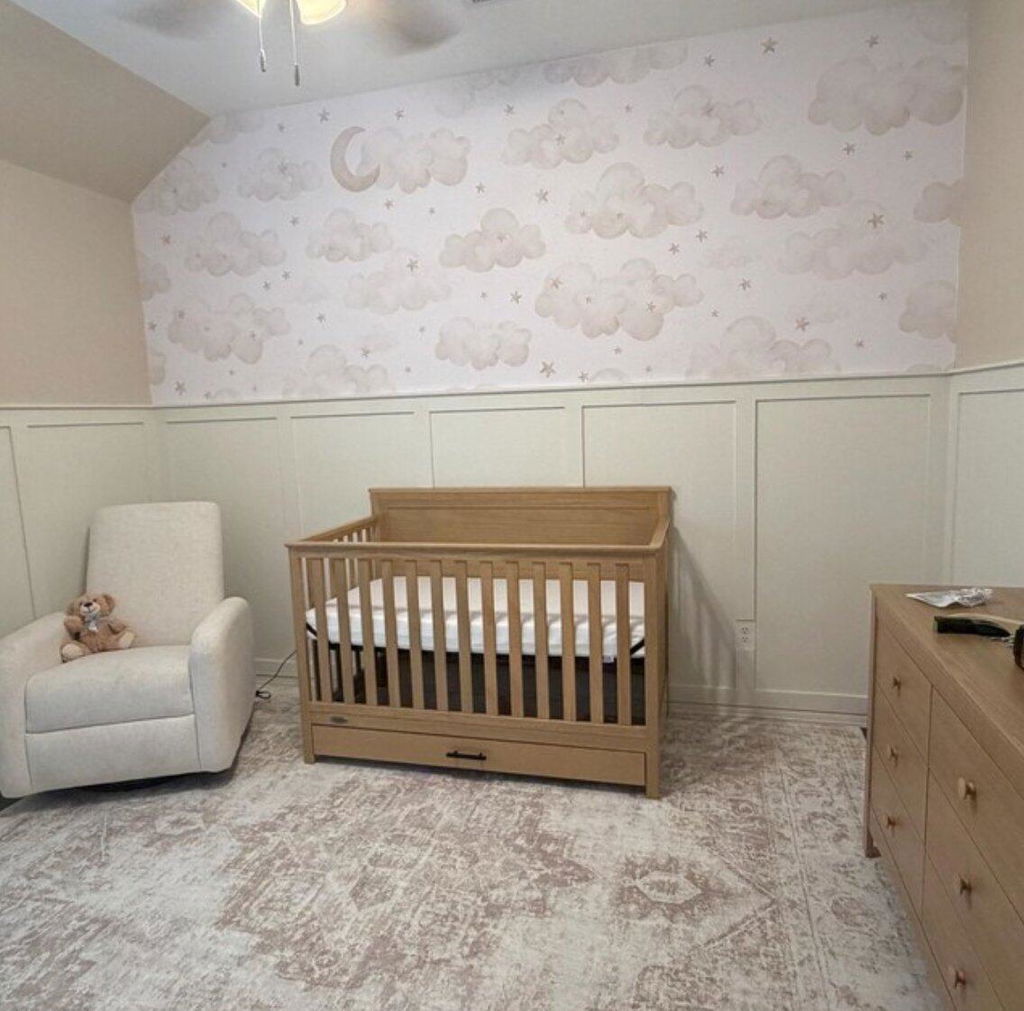
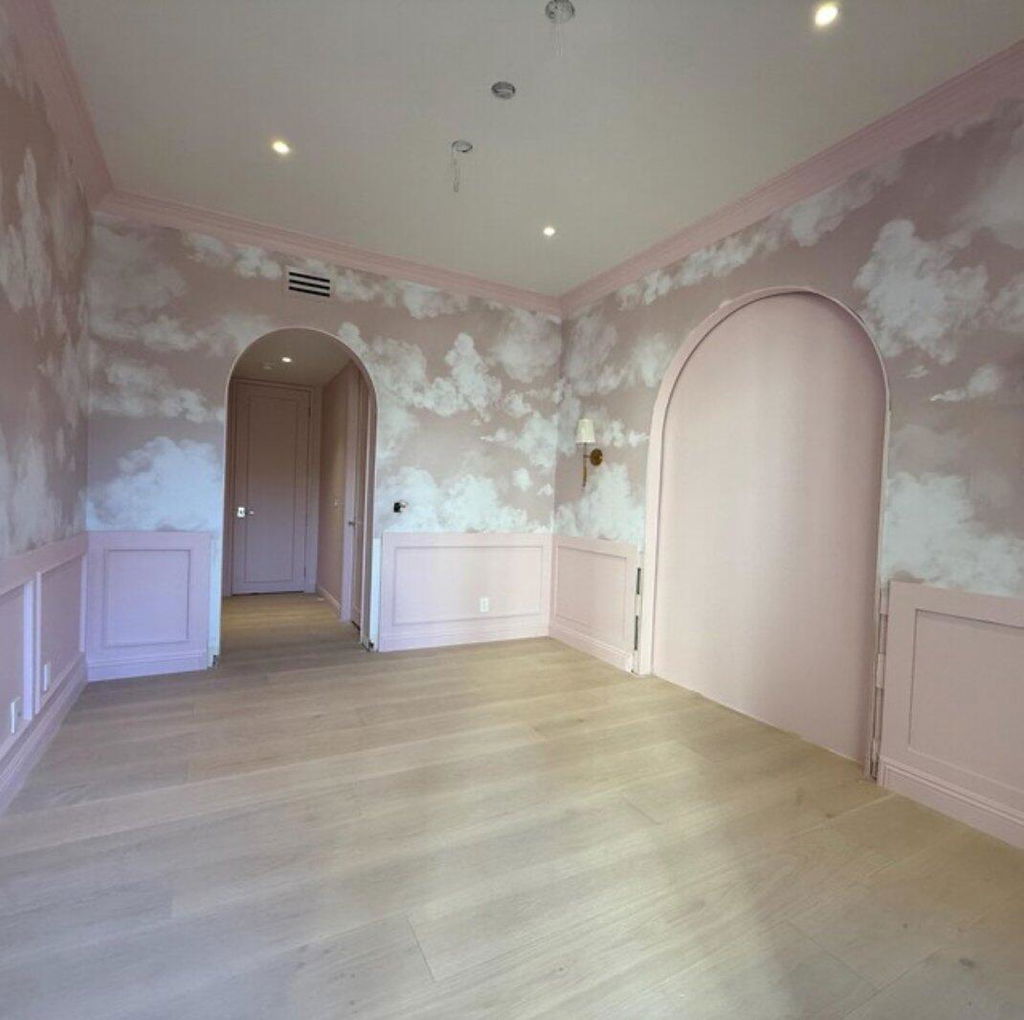
You've found the perfect peel and stick wallpaper or wall mural — now comes the part that trips most people up: figuring out exactly how much to order. Order too little and your project stalls. Order too much and you've overspent. This guide walks you through how to measure your walls, how to calculate panels, and how to get the right size mural — for both CostaCover wallpaper and wall murals.
Quick Answer
Measure your wall width and height in inches. For peel and stick wallpaper: divide width by 24 to get the number of panels (round up), then round height up to the nearest standard size (48, 72, 96, 108, or 120 in). For a wall mural: round both width and height up to the nearest available mural size. Always measure at multiple points — walls are rarely perfectly uniform.
In this guide
- What You Need Before You Start
- How to Measure Your Wall — Step by Step
- How to Calculate Peel and Stick Wallpaper Panels
- How to Calculate Your Wall Mural Size
- Measuring Walls With Doors, Windows & Obstacles
- Slanted Walls and Awkward Spaces
- Measuring Multiple Walls
- Wallpaper & Mural Calculator
- Common Measuring Mistakes to Avoid
- FAQ
What You Need Before You Start
A metal tape measure is the most important item. Fabric tape measures can stretch and introduce small errors that compound across a wide wall. You'll also want a pencil, paper (or your phone's notes app), and a level — especially useful in older homes where walls may have shifted over time.

For high ceilings or long walls, a laser distance measurer makes solo measuring much easier and more accurate. But a standard metal tape measure works perfectly well for most rooms.
One rule above all others: always take measurements in inches. CostaCover's panel system and standard mural sizes are all based on inches, and converting back and forth from feet mid-calculation is where mistakes happen.
Designer Tip
Measure each wall individually and write every number down before you start calculating. Walls in the same room can have slightly different heights or widths — especially near windows, corners, or in older construction.
How to Measure Your Wall — Step by Step
The measurement process is the same whether you're ordering peel and stick wallpaper or a wall mural. Get these numbers right and everything else follows.
Step 1: Measure the width
Measure the full width of the wall from corner to corner at the top. Then measure again at the bottom — walls are sometimes wider at one end than the other, especially in older homes. Use the larger of the two numbers for your order. Write it down in inches.
Step 2: Measure the height
Measure the height on both the left side and the right side of the wall. Again, use the larger number. Measure from the floor to the ceiling, including any baseboard trim at the bottom.
Step 3: Measure walls with windows or doors
Measure the full wall height and width — including the window or door area. Do not subtract openings. You'll cut around them during installation, but the panels or mural need to cover the full wall surface to ensure the pattern or image is properly positioned. Full wall measurements = fewer surprises during install.

Step 4: Write everything down
Record width and height for each wall separately. If you're wallpapering more than one wall, label them (Wall A, Wall B, etc.) so there's no confusion when you're placing your order.
Designer Tip
Take a photo of each wall with your measurements written on a piece of paper held up in front of it. This visual reference is invaluable when you're placing your order and can't remember which measurement belongs to which wall.
How to Calculate Peel and Stick Wallpaper Panels
CostaCover peel and stick wallpaper is sold in panels that are 24 inches wide. The height is selected from standard options. Here's exactly how to calculate how many panels you need.
Panel calculation formula
Step 1: Wall width (inches) ÷ 24 = number of panels → round UP to whole number
Step 2: Round wall height UP to nearest standard: 48 / 72 / 96 / 108 / 120 inches

Standard height options (inches → feet)
| Standard Height (inches) | In Feet | Best For |
|---|---|---|
| 48 in | 4 ft | Accent half-walls, backsplashes |
| 72 in | 6 ft | Low-ceiling rooms |
| 96 in | 8 ft | Most standard rooms (most common) |
| 108 in | 9 ft | 9-foot ceilings |
| 120 in | 10 ft | High ceilings, loft spaces |
Worked example: bedroom accent wall
Wall is 132 inches wide and 84 inches tall (11 ft × 7 ft).
Panels: 132 ÷ 24 = 5.5 → round up to 6 panels
Height: 84 inches → round up to 96 inches
Order: 6 panels × 24 in wide × 96 in high
Worked example: small bathroom wall
Wall is 60 inches wide and 90 inches tall (5 ft × 7.5 ft).
Panels: 60 ÷ 24 = 2.5 → round up to 3 panels
Height: 90 inches → round up to 96 inches
Order: 3 panels × 24 in wide × 96 in high
Designer Tip
Always round up — never down. An extra inch of height on a panel costs very little but gives you the trimming margin you need at the ceiling and floor for a clean, professional finish.
How to Calculate Your Wall Mural Size
Wall murals work differently from patterned wallpaper. A mural is a single, continuous image scaled to fit your wall — so the sizing logic is about finding the right mural dimensions, not counting panels.
Mural sizing formula
Round wall width UP to the nearest available mural width
Round wall height UP to the nearest available mural height
The mural should always be equal to or slightly larger than your wall — never smaller. A mural that's even a fraction of an inch too narrow will leave a gap at the edge.
Worked example: living room feature wall
Wall is 132 inches wide and 100 inches tall.
Round 132 up → order 144 inches wide
Round 100 up → order 108 inches tall
Order mural: 144 in × 108 in
The extra inches get trimmed during installation — this is normal and expected. The slight overage ensures the mural covers every inch of wall, corner to corner, floor to ceiling.
Mural vs. wallpaper: which is right for your wall?
| Peel & Stick Wallpaper | Wall Mural | |
|---|---|---|
| Image type | Repeating pattern | Single large-scale image |
| Sold as | 24-inch panels, height selected | Custom-sized set of panels |
| Best for | Full rooms, all-over coverage | Accent walls, statement pieces |
| Sizing logic | Width ÷ 24, round height to standard | Round both dimensions up to available size |
| Pattern repeat | Yes — align across panels | No — continuous image |
Designer Tip
For an accent wall, a mural almost always makes a stronger visual statement than a repeating pattern — the full-scale image has more impact. Reserve patterned wallpaper for rooms where you want an all-over texture or print.

Measuring Walls With Doors, Windows & Obstacles
The rule is simple: always measure the full wall, including any openings. Do not subtract windows or doors from your width or height before ordering.
Why you don't subtract openings
Whether you're hanging patterned wallpaper or a mural, the panels need to cover the full wall surface — over and around windows, beside doors. You'll cut around the obstacle during installation. Ordering based on the "net" wall area without openings results in panels that are too narrow or too short to wrap around the edges of doors and windows correctly.
What to do about large obstacles
For walls with multiple large windows or a wide doorway that takes up more than half the wall, contact CostaCover before ordering. In some cases — particularly for murals — a custom order split around an obstacle makes more sense than a single oversized panel set.
Designer Tip
Sketch a quick diagram of the wall with the obstacle marked and its dimensions noted. It takes 30 seconds and eliminates all ambiguity when you're placing the order or during installation day.
Slanted Walls and Awkward Spaces
Attic rooms, stairwells, and spaces under sloped ceilings require a slightly different approach.
How to measure a slanted wall
Find the highest point of the wall and measure the height there. Find the widest point and measure the width there. Use both of these maximum measurements for your order. The panels will be taller and wider than needed in places — you'll trim the diagonal angle during installation. This is normal and the correct approach.
Never try to calculate the "average" height of a slanted wall. Always use the maximum.
Designer Tip
For a stairwell wall, take measurements at three different heights along the wall — top, middle, and bottom of the staircase run — and use the tallest measurement. Stairwells are rarely uniform.
Measuring Multiple Walls
Covering more than one wall? You have two options, and the right one depends on your design.
Option 1: Combine the widths
If the walls are adjacent and you want a seamless pattern or image to continue around corners, add the widths together and treat it as one large wall. Divide the combined width by 24 and round up. This is the most common approach for patterned peel and stick wallpaper in a room with consistent ceiling height.
Option 2: Separate custom orders per wall
For murals — especially where each wall shows a different scene or image — order each wall separately. CostaCover can create individual mural sets for each wall, each sized precisely to that wall's dimensions. This is particularly useful in L-shaped rooms or where walls have different ceiling heights.
If you're unsure which approach is right for your space, contact CostaCover directly — the team can advise based on the specific mural or pattern you're ordering.
Designer Tip
For a nursery or kids' room where you want a mural on one wall and a coordinating pattern on the others, order them separately — a mural for the feature wall, peel and stick panels for the remaining walls. Both ship together and install with the same process.
Use the CostaCover Wallpaper & Mural Calculator
You now know exactly how the math works. When you're ready to get a precise number for your specific wall and product, use the calculator — it handles both panel counts and mural sizing automatically.
Get Your Exact Panel Count in Seconds
Enter your wall dimensions and instantly see how many panels or what mural size to order — no math required.
Open the Wallpaper CalculatorCommon Measuring Mistakes to Avoid
Most ordering problems trace back to one of these six mistakes. They're all easy to avoid once you know to look for them.
Measuring in feet instead of inches
CostaCover's panel system runs entirely on inches. Taking measurements in feet and converting later introduces rounding errors. Measure in inches from the start — it takes the same time and eliminates a potential calculation mistake.
Measuring only once per wall
A wall that looks perfectly rectangular may have slight height differences between the left and right sides, or width differences between top and bottom. Measure at both ends, use the larger number, and you'll never under-order because of uneven walls.
Rounding down instead of up
Always round panel counts and mural dimensions up, never down. Rounding down leaves you short — and ordering a second time to fill a gap is significantly more expensive and disruptive than adding one extra panel upfront.
Subtracting windows and doors
As covered above, never subtract openings. Measure the full wall. The panels wrap over and around obstacles — you cut them during installation, not before you order.
Using average ceiling height on a slanted wall
Always use the maximum height point, not an average. The trim waste from the slanted cut is expected. Ordering panels based on average height results in panels that are too short at the tallest point of the wall.
Not checking wall requirements before ordering
Peel and stick wallpaper adheres best to smooth, properly primed walls. Textured surfaces, fresh paint (under 30 days), or walls painted with low-VOC paint require special preparation. Check CostaCover's wall requirements guide before your order arrives — not after.
Designer Tip
Before placing any order, take 5 minutes to re-check your two most critical numbers: wall width and wall height. These two measurements drive everything else. Catching a transposed digit now costs nothing — catching it after delivery does.
Frequently Asked Questions
HOW MANY PANELS OF PEEL AND STICK WALLPAPER DO I NEED?
Divide your wall width in inches by 24 and round up to the next whole number. That's your panel count. Then select the height option that's equal to or greater than your actual wall height (48, 72, 96, 108, or 120 inches). For example: a wall that's 108 inches wide and 90 inches tall needs 5 panels at 96-inch height (108 ÷ 24 = 4.5, rounded up to 5).
HOW DO I KNOW WHAT SIZE WALL MURAL TO ORDER?
Measure your wall width and height in inches. Round both numbers up to the next available mural size. The mural should be the same size or slightly larger than your wall — never smaller. The extra inches are trimmed during installation. Use the CostaCover Wallpaper Calculator to find the right mural size for your exact dimensions.
SHOULD I SUBTRACT WINDOWS AND DOORS FROM MY MEASUREMENTS?
No. Always measure the full wall from corner to corner, floor to ceiling — including any windows or doors. You'll cut around obstacles during installation. Ordering based on net area (wall minus openings) results in panels that are too narrow or too short to properly wrap around the edges of doors and windows.
WHAT'S THE DIFFERENCE BETWEEN A WALL MURAL AND PEEL AND STICK WALLPAPER?
Peel and stick wallpaper features a repeating pattern that tiles across panels — ideal for full rooms and all-over coverage. A wall mural is a single, large-scale image custom-sized to your wall — ideal for accent walls and statement pieces. Both are removable and use the same peel and stick installation method. Browse peel and stick wallpaper or wall murals to compare.
HOW DO I MEASURE A SLANTED OR VAULTED WALL?
Find the highest point of the slanted wall and measure the height there. Find the widest point and measure the width there. Use both maximum measurements for your order — never an average. The panels will be larger than the wall in places, and you'll trim the diagonal angle during installation. This is the correct method.

CAN I ORDER WALLPAPER FOR MULTIPLE WALLS AT ONCE?
Yes. For patterned wallpaper where you want the design to continue around corners, combine the wall widths and order as one. For murals, or walls with different ceiling heights, order each wall separately. CostaCover can also create custom orders matched to individual walls — contact the team if your room has an unusual layout.
HOW MUCH PEEL AND STICK WALLPAPER DO I NEED FOR A 12×12 ROOM?
A 12×12 room has four walls, each 144 inches wide and — assuming 8-foot ceilings — 96 inches tall. Each wall needs 144 ÷ 24 = 6 panels at 96-inch height. For all four walls: 24 panels total. If you're only doing an accent wall, you need 6 panels. Use the Wallpaper Calculator to confirm your specific room.
DO I NEED TO PREPARE MY WALLS BEFORE INSTALLING PEEL AND STICK WALLPAPER?
Yes. Peel and stick wallpaper adheres best to smooth, clean, dry walls painted with standard latex or oil-based paint that has cured for at least 30 days. Heavily textured walls, fresh paint, and some low-VOC paints can affect adhesion. Read the full wall requirements guide before installation.