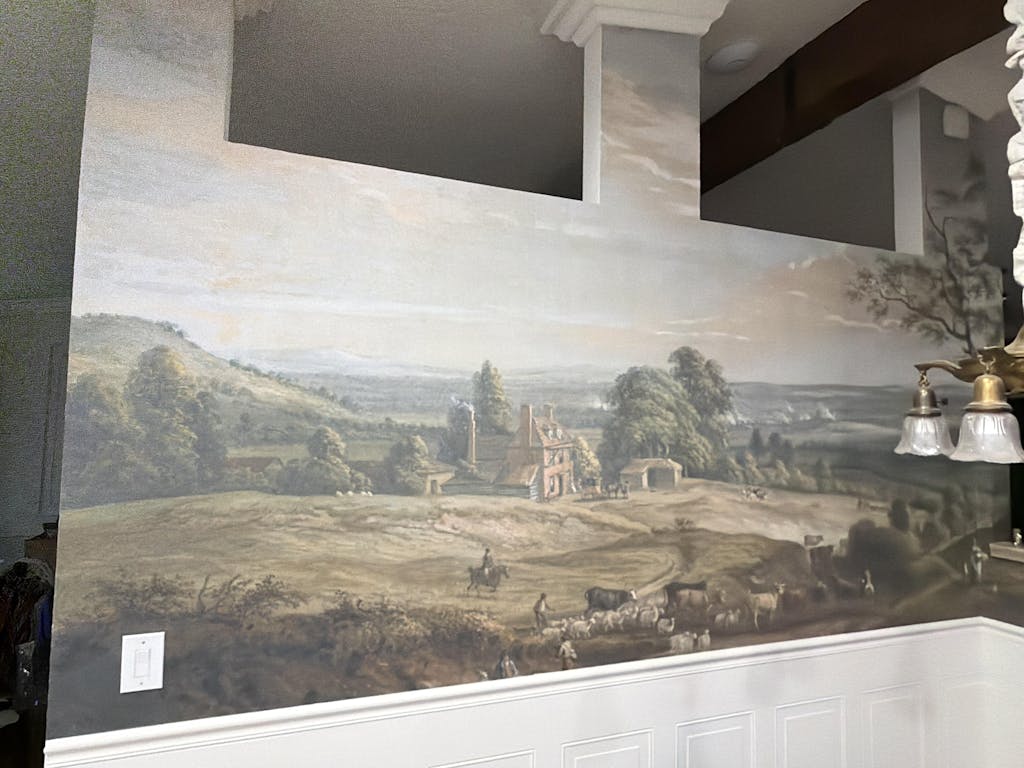
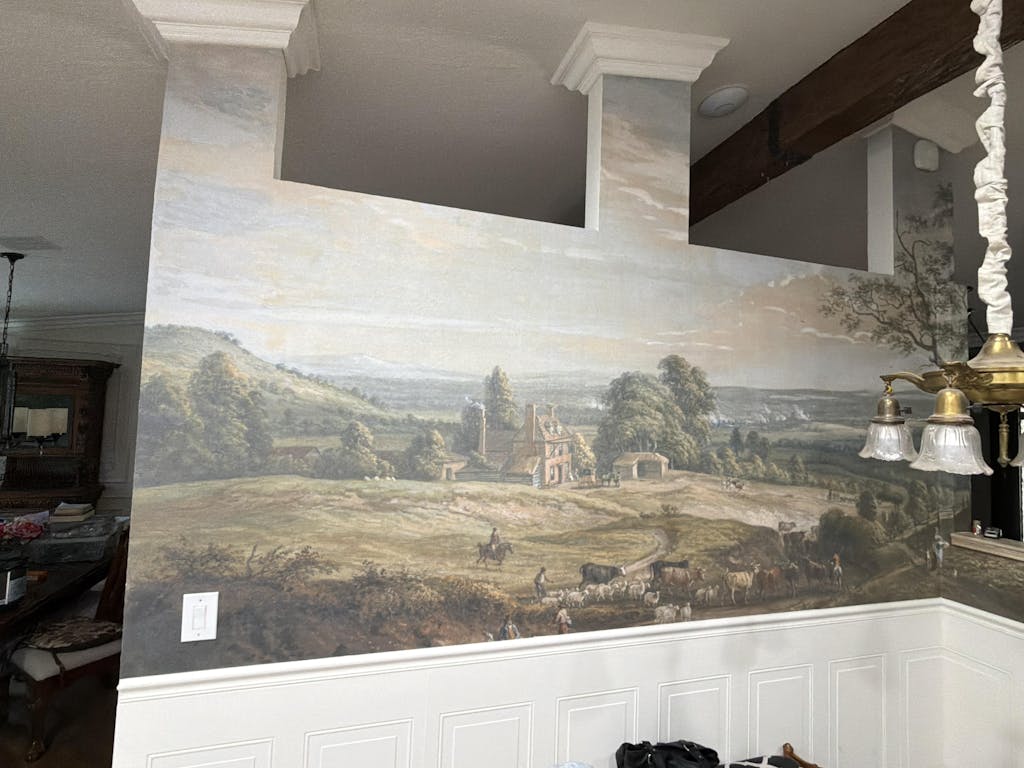
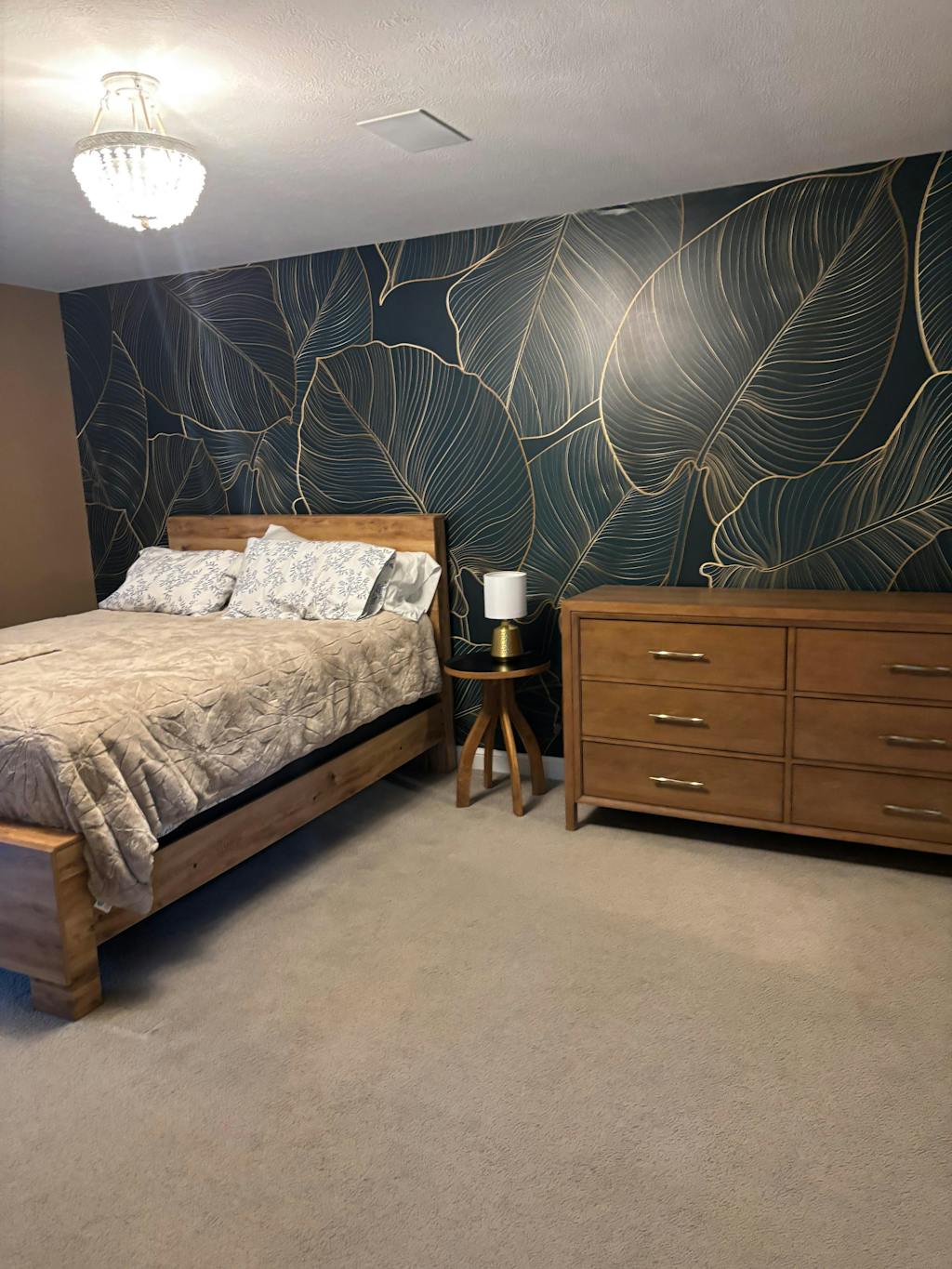
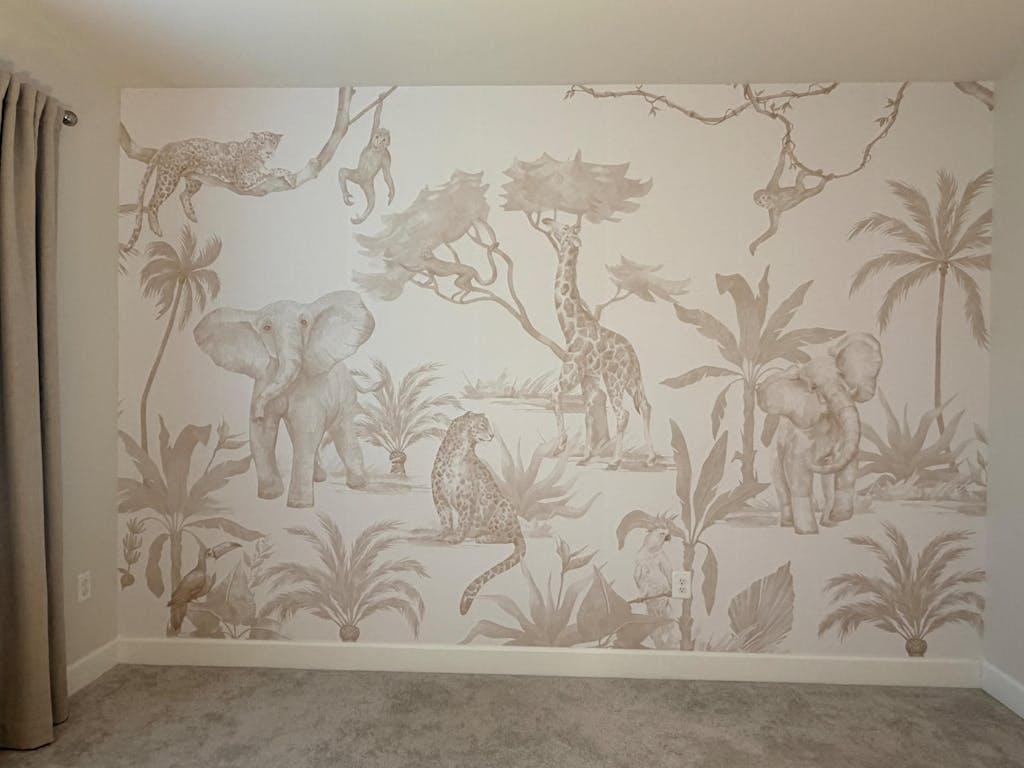
Peel and stick wallpaper — also called self-adhesive, stick-on, or stick-and-peel wallpaper — has become a go-to for fast, renter-friendly makeovers. But before you commit a wall, you probably want to know how it works, whether it damages paint, and how long it really lasts. Below are clear, practical answers to the 12 questions shoppers ask most, so you can decide with confidence.

How Does Peel and Stick Wallpaper Work?
Peel and stick wallpaper has a self-adhesive backing that sticks to the wall without any extra glue or water. You peel off the protective liner, line up the panel, and smooth it on with a squeegee or flat tool to push out air. Because the adhesive activates with pressure, you can lift and reposition a panel as you align it.
Is peel and stick wallpaper hard to install?
No — it's one of the most beginner-friendly DIY projects there is. There's no pasting table, no mess, and no drying time, so most accent walls go up in an afternoon. Working top to bottom in slightly overlapping panels keeps the pattern aligned. For a full walkthrough, see our step-by-step install guide.
Designer Tip
Wipe the wall down and let it dry fully before you start. Dust and grease are the number-one reason a panel won't grip — a clean surface does more for adhesion than any tool.
Does Peel and Stick Wallpaper Damage Walls?
When applied and removed correctly, peel and stick wallpaper is designed to come off without damaging the wall. The key is a properly painted, fully cured surface — fresh paint that hasn't cured for a few weeks is the main cause of lifted paint on removal. That clean removal is exactly why it's so popular with renters.

How do you remove it without damage?
Start at a corner and pull slowly at a 45-degree angle, keeping the panel close to the wall as you go. Warming the surface with a hairdryer on low softens the adhesive and makes stubborn sections release cleanly. If any residue is left behind, a little warm water with dish soap usually wipes it away.
Does it leave residue or can you reuse it?
Quality self-adhesive wallpaper removes cleanly and rarely leaves residue on a sound, painted wall. The material itself usually can't be fully re-stuck once removed, since the adhesive weakens, so treat each install as single-use and order a little extra if you think you may reposition the whole wall later.
Designer Tip
If you're in a rental, test a small piece in a hidden spot first and leave it for a week. Peel it back to see how your specific paint responds before you cover a whole wall — it's the cheapest insurance for your deposit.
Where Can You Use Peel and Stick Wallpaper?
Peel and stick wallpaper is versatile, but it performs best on smooth, clean, non-porous surfaces. Knowing where it grips well — and where to be cautious — saves you from peeling edges later.

What surfaces does it stick to?
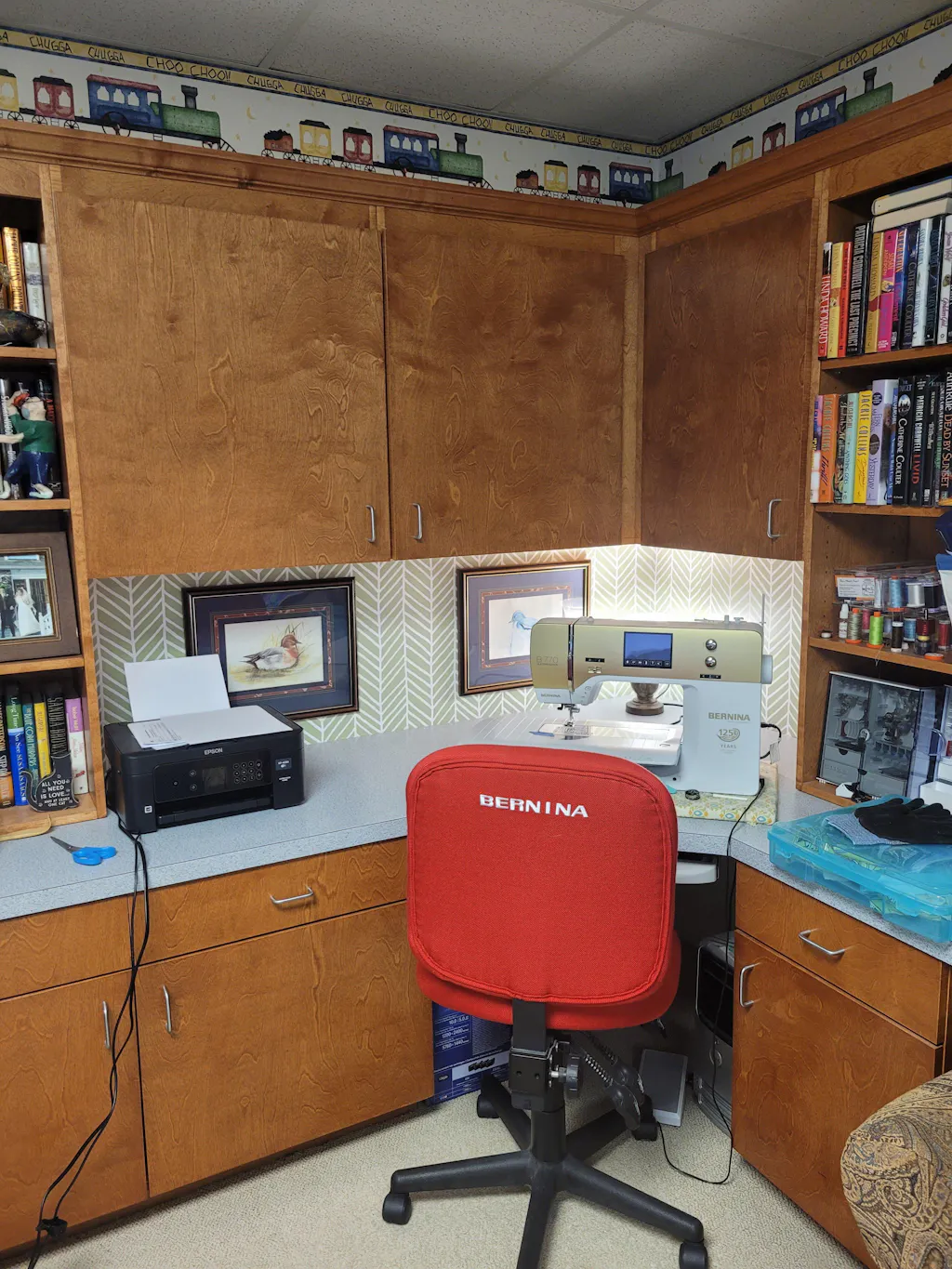
It works on flat, satin, or semi-gloss painted walls, smooth drywall, plaster, and wood paneling. It also adheres to glass, doors, and furniture like tabletops, drawers, and cabinet fronts. On tiles it can refresh a kitchen or backsplash, as long as the surface is clean, grease-free, and the grout lines aren't too deep.
Can you put peel and stick wallpaper over old wallpaper?
It's possible, but only if the existing wallpaper is smooth, matte, and firmly stuck down. Textured, glossy, or lifting wallpaper won't give the adhesive a stable base, so it's better to remove it first. For the most reliable bond, apply to a bare, smooth wall.
Can you use peel and stick wallpaper in a bathroom?
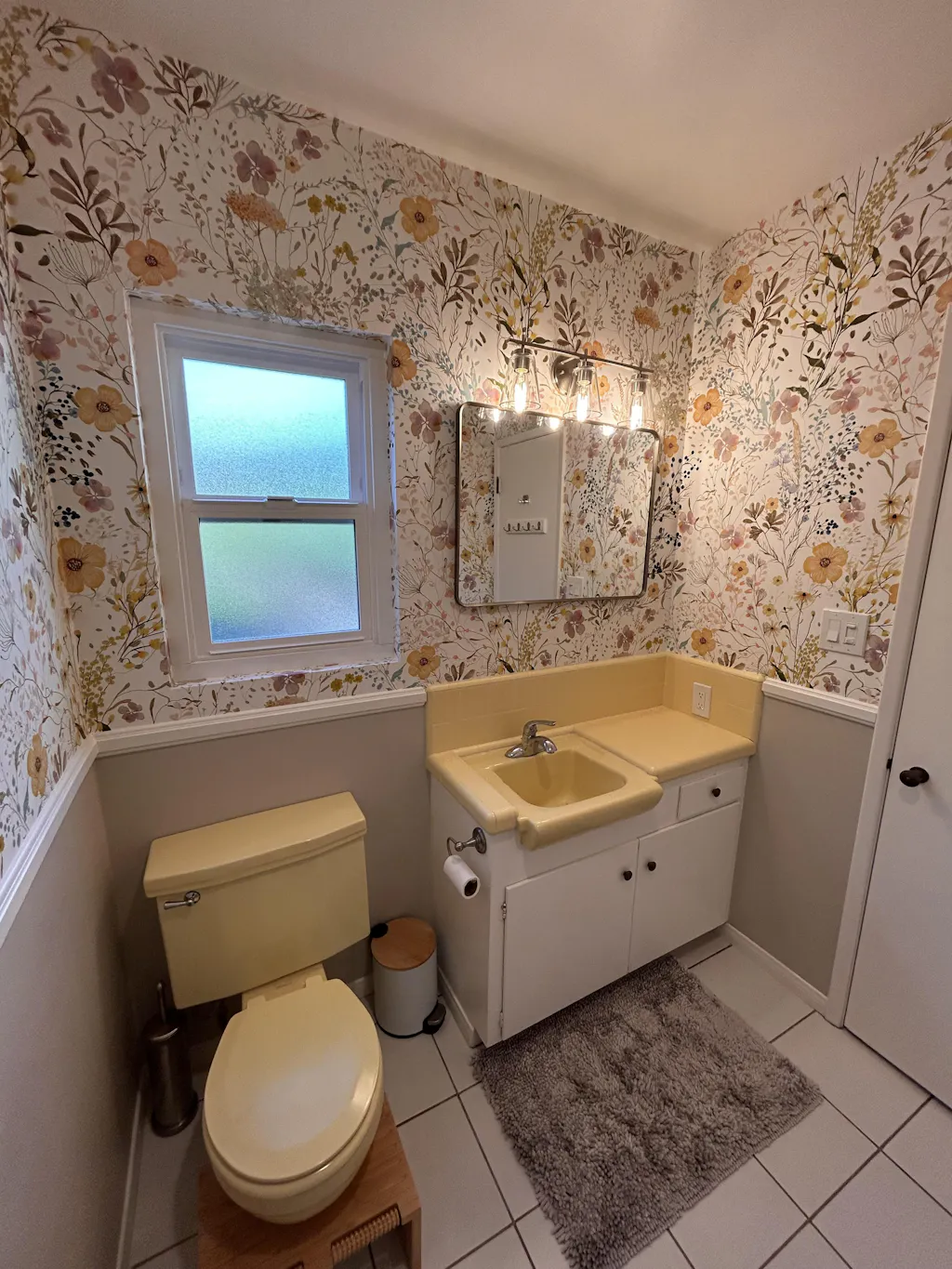
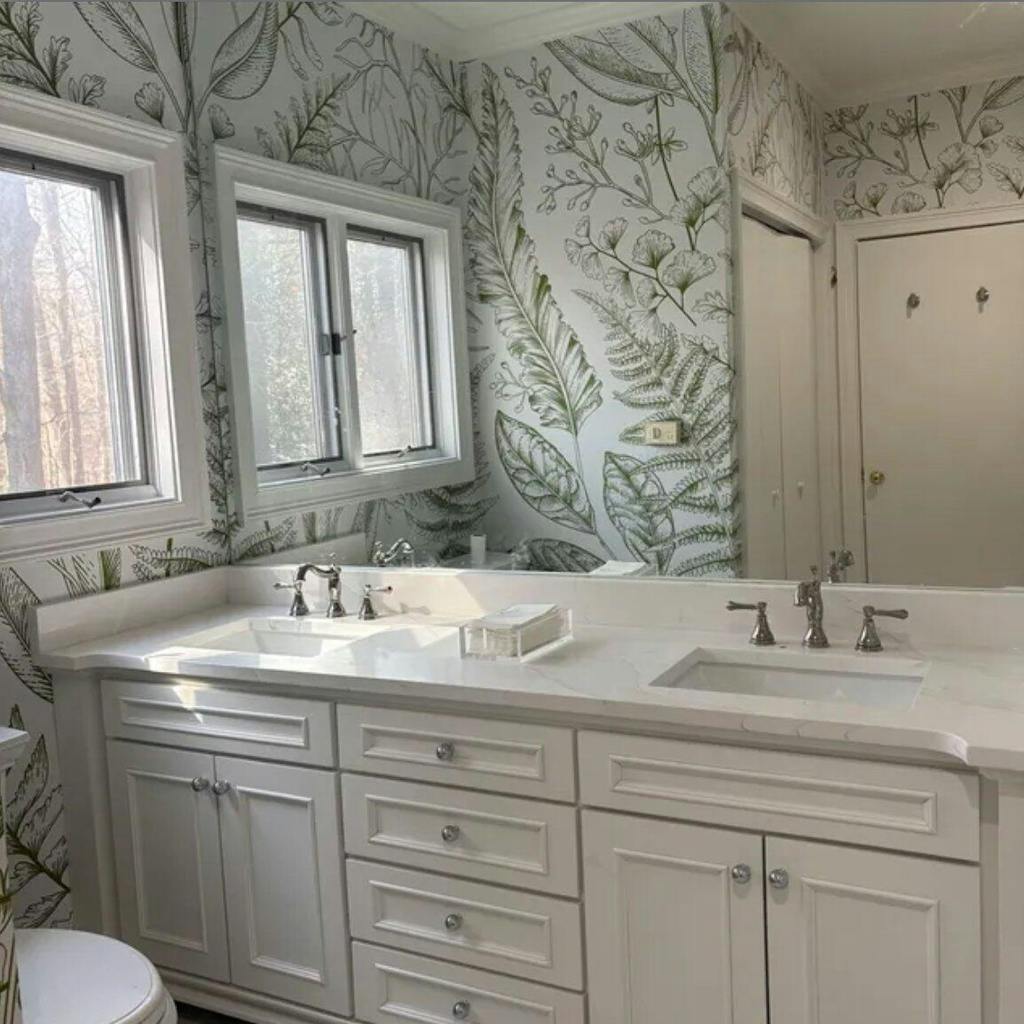
Yes — vinyl and polyester self-adhesive wallpapers handle humidity well, so they're a great fit for bathrooms with good ventilation. Keep panels out of direct water zones like inside a shower, run the exhaust fan, and you can even seal the edges for extra protection. Browse moisture-friendly designs in our bathroom wallpaper collection, or refresh a backsplash with kitchen wallpaper.


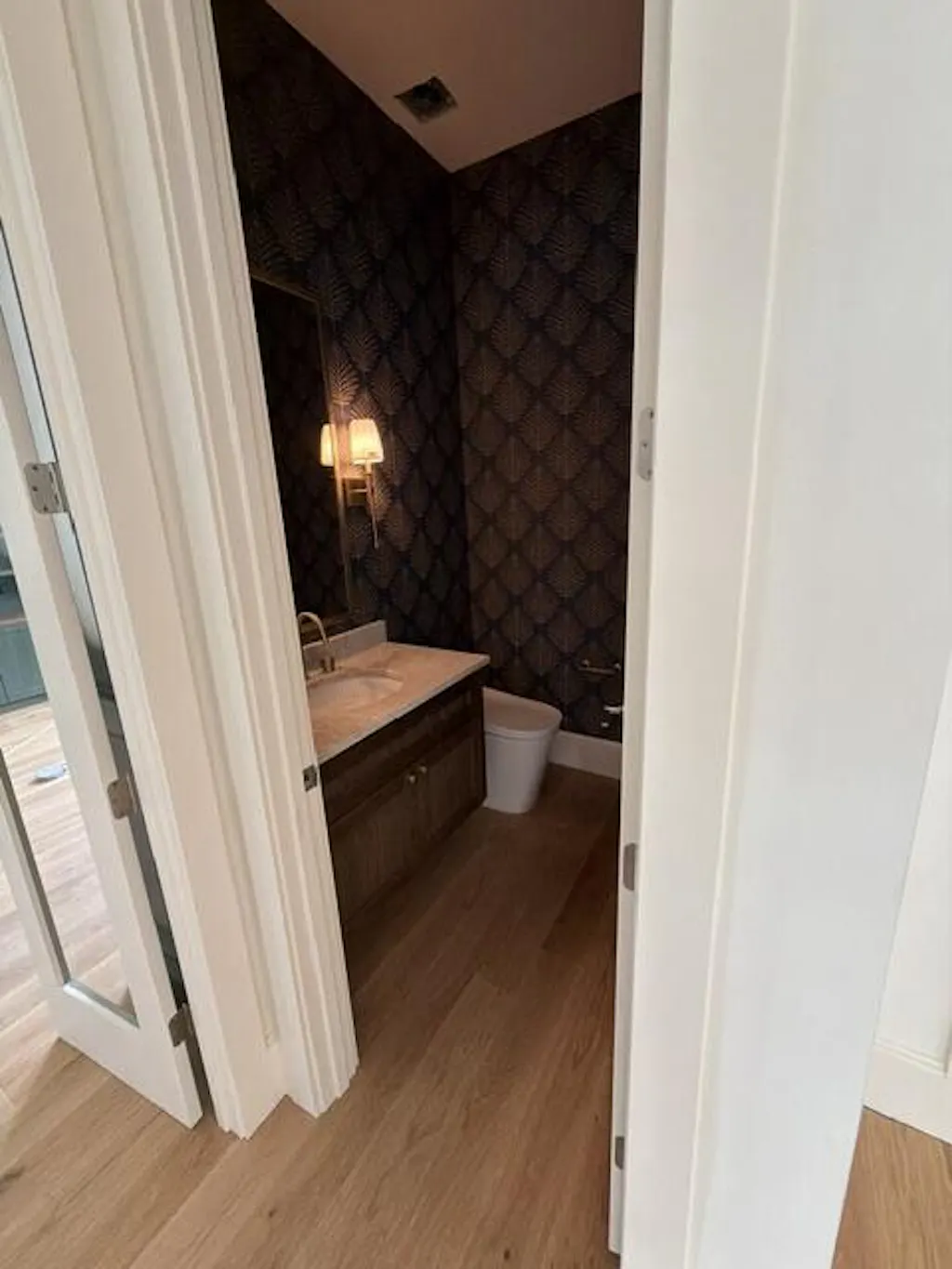
Cooler tones like blue and green suit damp rooms and read as fresh and spa-like. Pair them with good airflow and they'll hold up beautifully over a powder-room or guest-bath accent wall.
Designer Tip
In bathrooms and kitchens, run a thin bead of clear sealant along the top and side edges. Sealing the seams is what stops humidity from creeping under the panel and lifting a corner.
How Long Does Peel and Stick Wallpaper Last?
With good material and proper prep, peel and stick wallpaper lasts several years without issues. Durability comes down to three things: the quality of the film, how well the wall was prepared, and the room's conditions. High-quality vinyl or polyester resists tearing, fading, and moisture far better than budget films.

How do you make it last longer?
Avoid constant direct sunlight, which can fade any wall covering over time, and keep humidity in check in damp rooms. Clean it gently with a soft, slightly damp cloth rather than harsh scrubbing. Treated this way, a quality panel stays crisp and bonded for years.
Designer Tip
Order a sample before committing to a whole room. Checking the material and colour on your own wall, under your own lighting, tells you more about quality and longevity than any product photo.
Peel and Stick vs Traditional Wallpaper vs Paint
The right choice depends on how permanent you want the result and how much effort you're willing to put in. Here's how peel and stick compares on the points that matter most.

Peel and stick vs traditional wallpaper
Peel and stick is faster and cleaner to install, since traditional wallpaper needs paste, water, and a smoothing routine. It also removes cleanly, whereas pasted wallpaper can be difficult to strip and may pull at the wall. Traditional paper can last a little longer in heavy-use settings, but quality peel and stick closes most of that gap while staying renter-friendly and budget-friendly.
Paint vs peel and stick wallpaper
Paint is cheaper up front but means prep, priming, multiple coats, and drying time — plus you only get a solid colour. Peel and stick goes up in one step, adds pattern and texture, and can hide minor wall imperfections that paint would highlight. For a quick, high-impact change, wallpaper usually wins on time saved.
Designer Tip
Can't decide? Use peel and stick on one feature wall and paint a coordinating solid colour on the others. You get the pattern you love without committing the whole room — and it's easy to swap later.
Installation Tips: Textured Walls, Bubbles & Adhesion
A few small techniques make the difference between a flawless finish and lifting edges. These are the questions that come up once people start the actual install.

Can you use peel and stick wallpaper on textured walls?
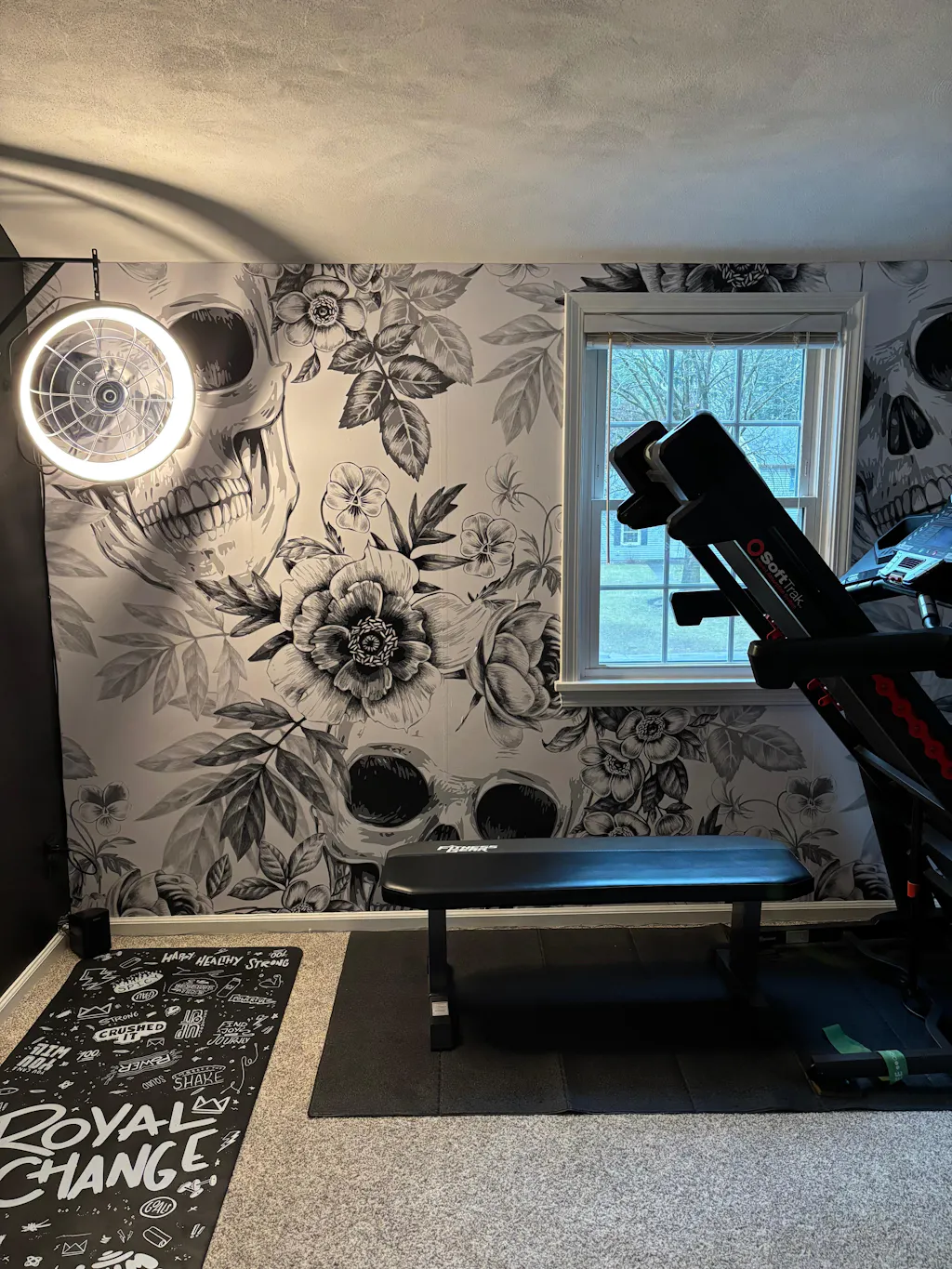
Lightly textured walls can work, but heavy texture like knockdown or orange-peel reduces contact and weakens the bond. If your wall is textured and you'd rather not skim-coat it, choose a busy, dense pattern — it visually disguises the surface underneath far better than a flat, minimal design.


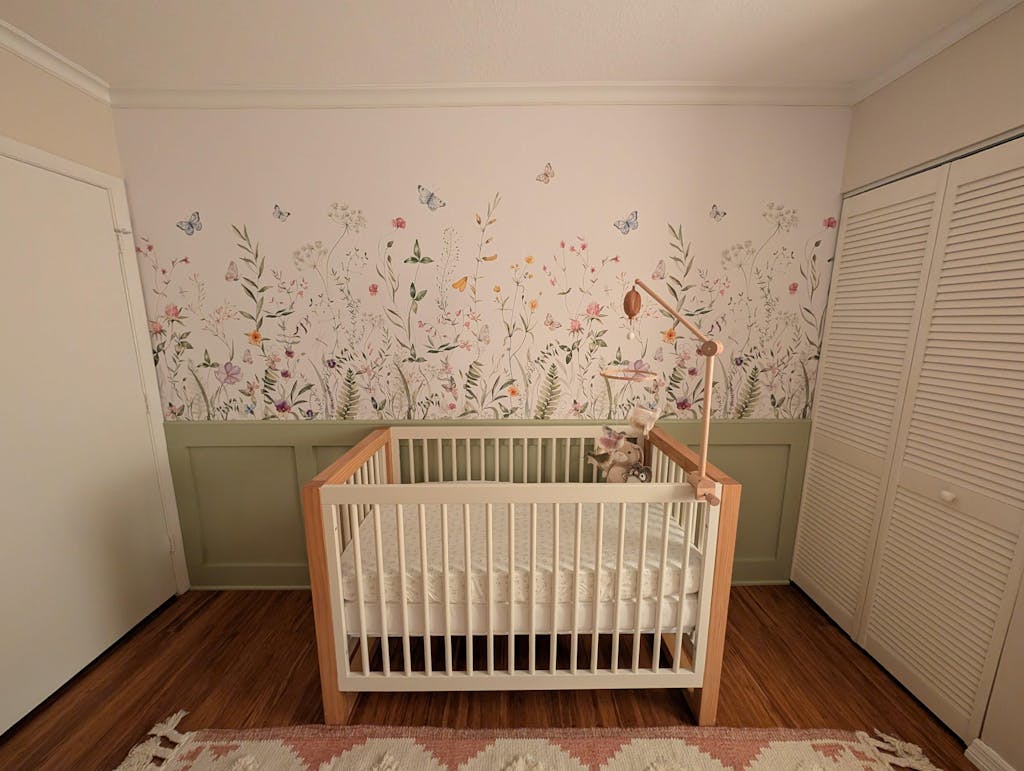
Dense florals and deep, layered patterns like these break up light and shadow, so small bumps and seams disappear into the design. They're a smart pick for older walls you don't want to refinish.
How do you apply it without bubbles?
Work from the top down and smooth from the center outward with a squeegee, never trapping air ahead of the panel. If a bubble forms, lift the nearest edge and re-smooth rather than fighting it in place. A stubborn bubble can be pricked with a pin and pressed flat.
Can you use adhesive on peel and stick wallpaper?
You generally don't need extra adhesive, since the backing is already pre-glued. For a tricky corner or a slightly textured spot, a dab of clear, removable wallpaper adhesive or double-sided tape can reinforce the edge. Avoid heavy permanent glue, as it works against the clean-removal benefit. See how it works for material details.
If you're ready to start, these two top-selling, versatile designs work in almost any room and forgive imperfect walls — a safe first project for any peel-and-stick beginner.


Designer Tip
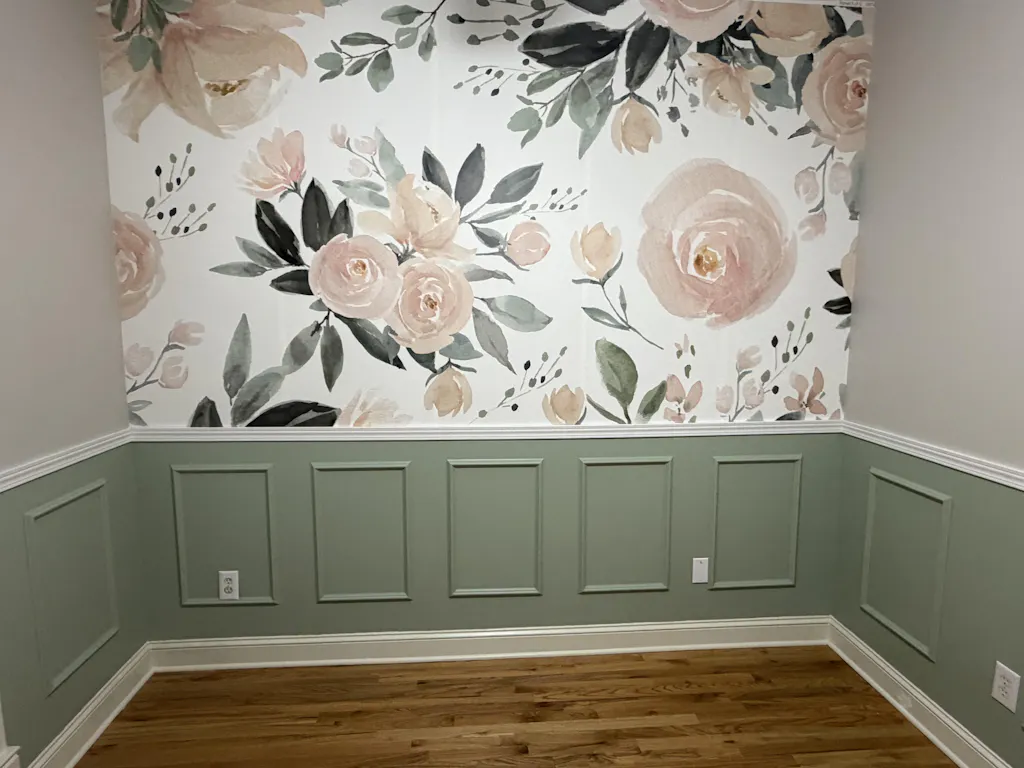
Measure twice and add a few inches of trim allowance on every edge. Murals and panels are printed to your wall's size, so accurate numbers matter more than guessing — round up rather than risk coming short.
Ready to Refresh Your Space?
Browse the full collection of peel-and-stick wallpaper.
Explore the Collection