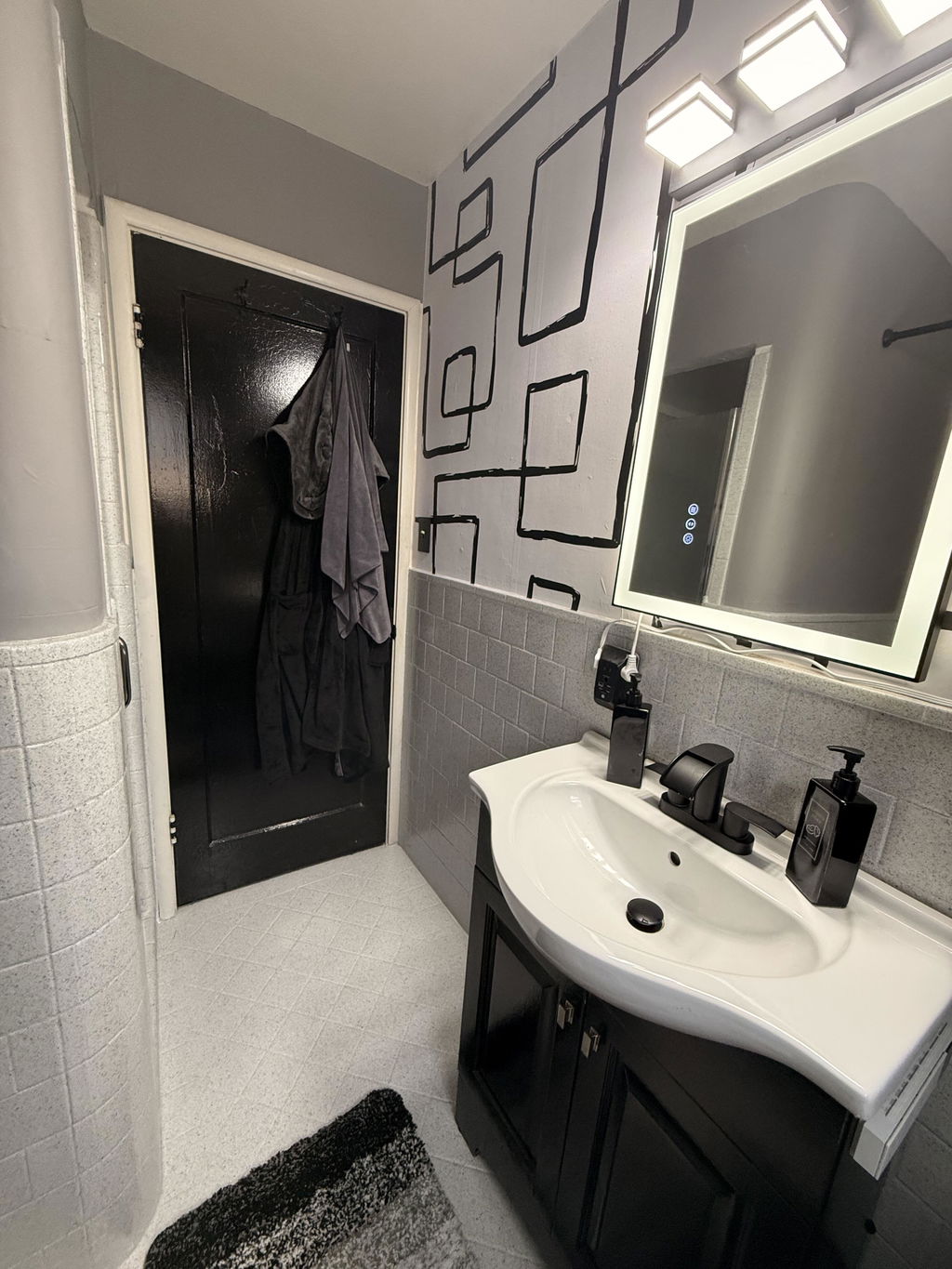
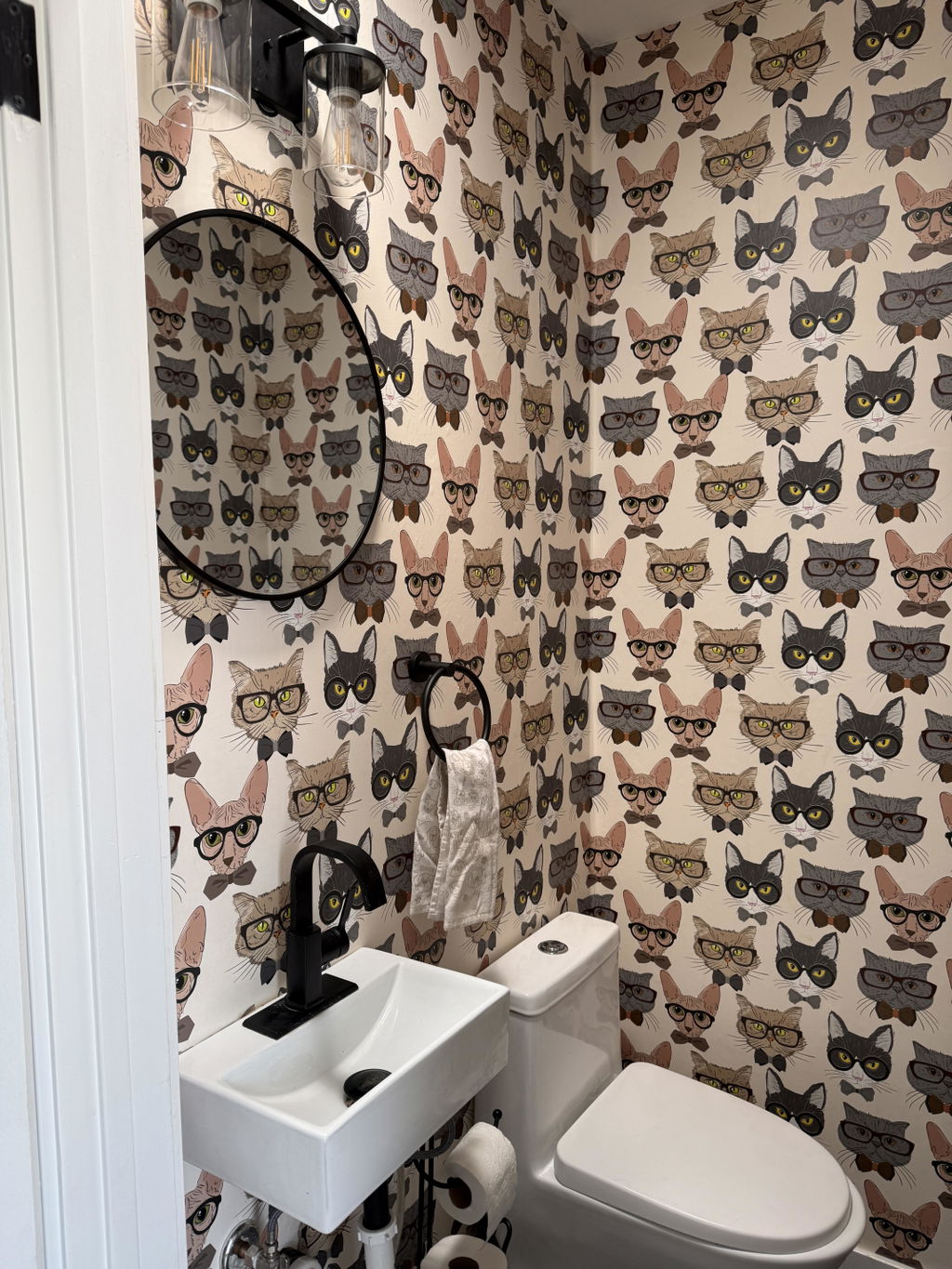
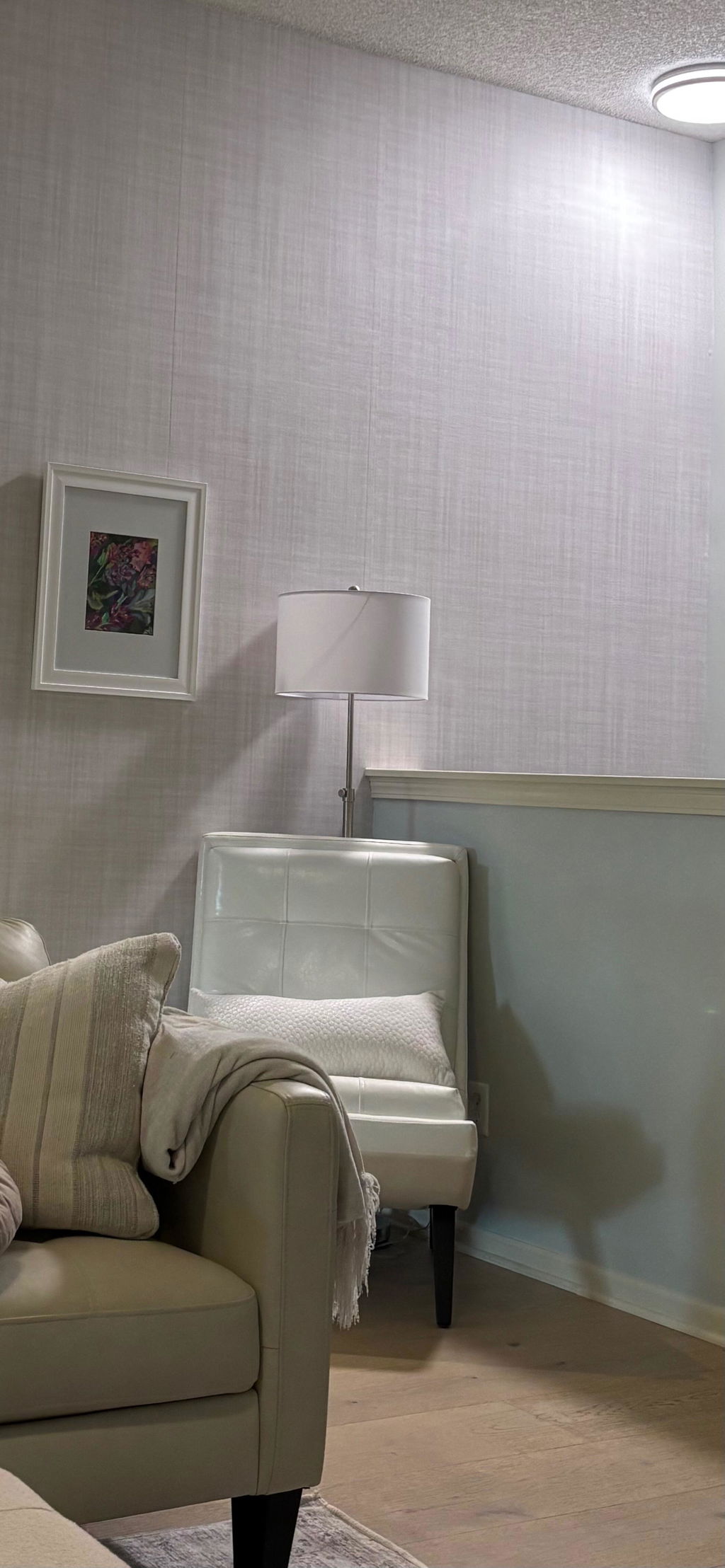
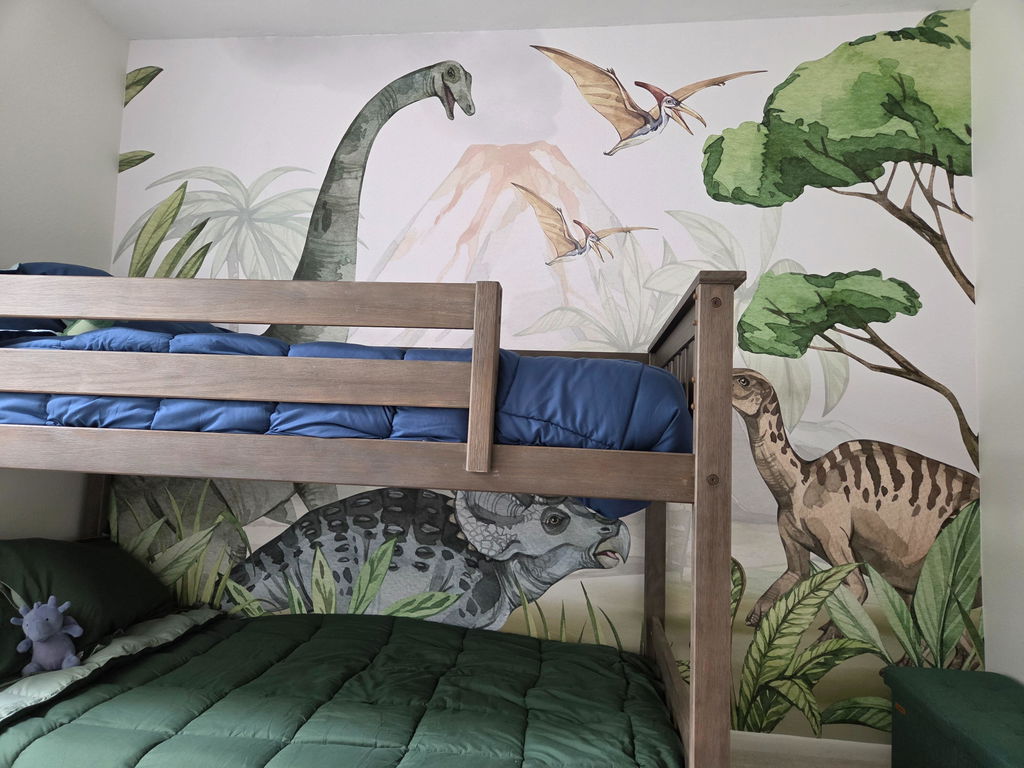
Wall decals and wallpaper can both transform a room without changing its furniture or layout, but they create very different results. Decals add individual decorative elements to an existing wall, while wallpaper changes the appearance of the entire surface.
The right choice depends on your goal. Wall decals are best for small, temporary decorative updates, while peel and stick wallpaper is the better choice for full-wall coverage, a cohesive design, and a more finished interior. For an even more dramatic transformation, peel and stick wall murals turn an entire wall into a large-scale visual feature.
This guide compares decals, removable wallpaper, and murals by appearance, installation, removal, flexibility, and room type — so you can choose the right option for your space.
Quick Comparison
| Feature | Wall Decals | Peel and Stick Wallpaper |
|---|---|---|
| Coverage | Small areas or individual designs | Partial or full walls |
| Visual effect | Decorative accent | Complete wall transformation |
| Installation | Usually simple | Requires measuring and alignment |
| Adhesive | Self-adhesive | Self-adhesive |
| Pattern continuity | Limited | Yes |
| Best for | Small accents and individual graphics | Feature walls and complete room designs |
| Design impact | Moderate | High |
For a small decorative detail, decals may be enough. For a coordinated interior or a dramatic transformation, peel and stick wallpaper usually offers more design possibilities.

What Are Wall Decals?
Wall decals, sometimes called wall stickers, are individual adhesive graphics applied directly to a painted or otherwise suitable wall. Common designs include:
- Botanical illustrations
- Animals
- Stars and celestial designs
- Quotes and lettering
- Geometric shapes
- Children's motifs
- Abstract graphics
Because each element covers only part of the wall, the original wall color stays visible around it — making decals ideal when you like your existing wall color but want to add a decorative feature without covering the whole surface.
What Is Peel and Stick Wallpaper?
Peel and stick wallpaper is an adhesive wall covering designed for much larger surfaces. Instead of individual decorative elements, it creates a continuous background across part or all of a wall.
Because it's self-adhesive, there's no need for separate wallpaper paste — a major draw for DIY decorators and anyone looking for an alternative to conventional pasted wallpaper.
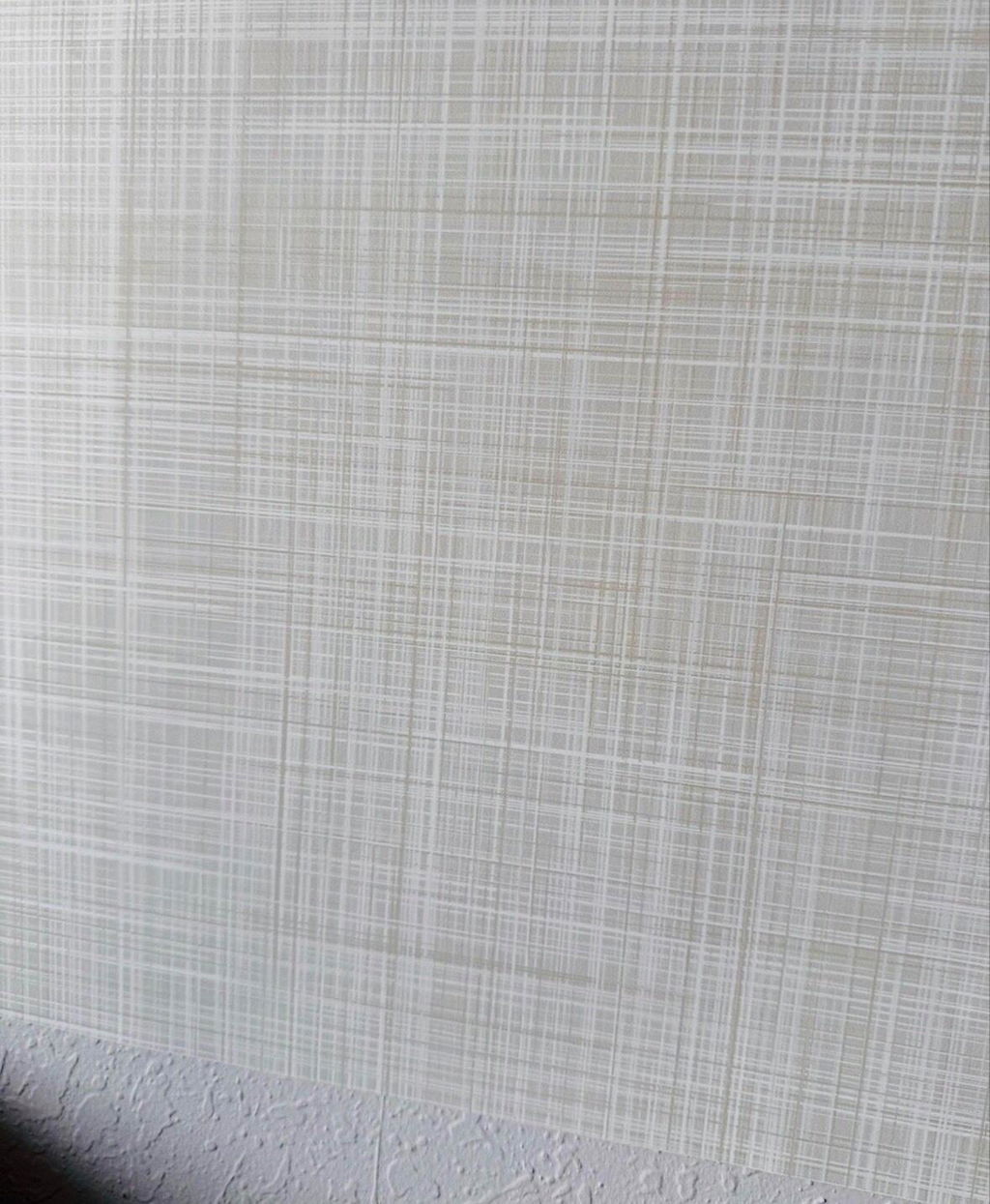
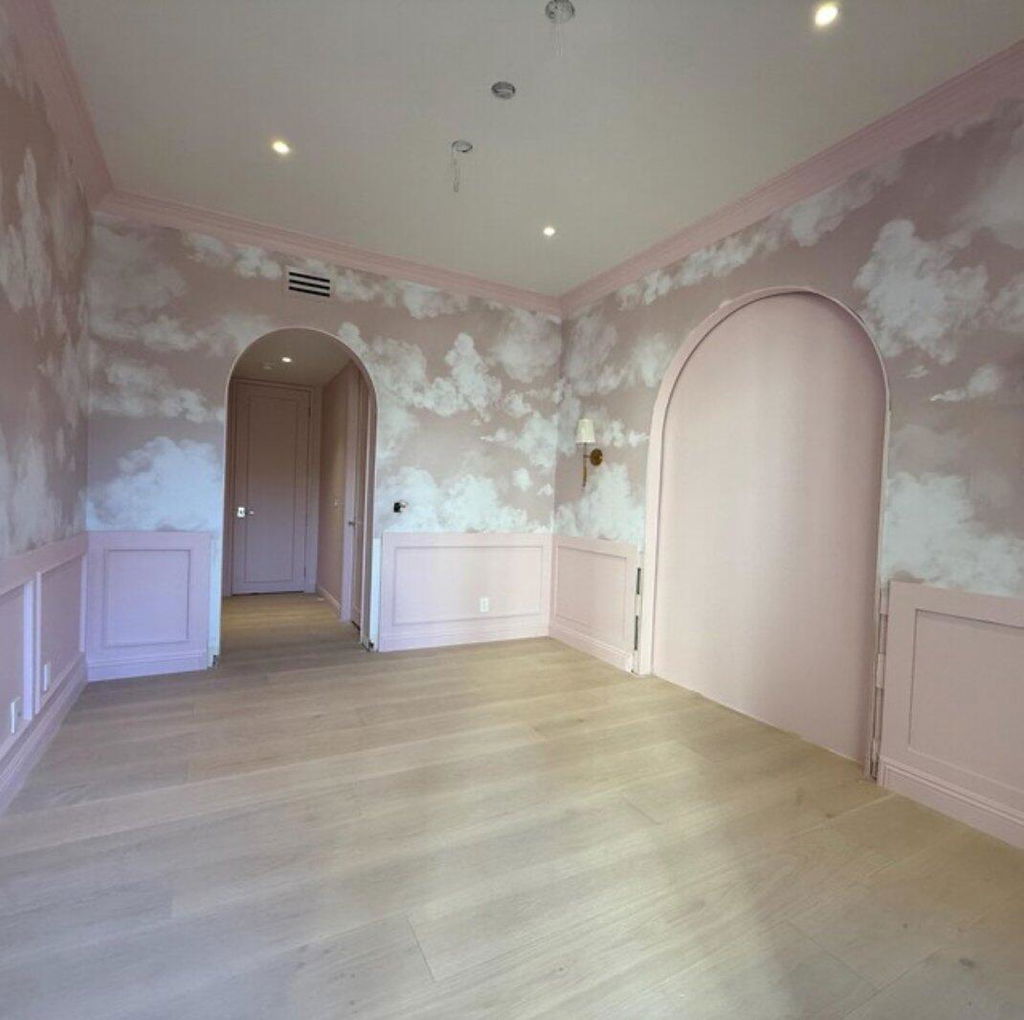
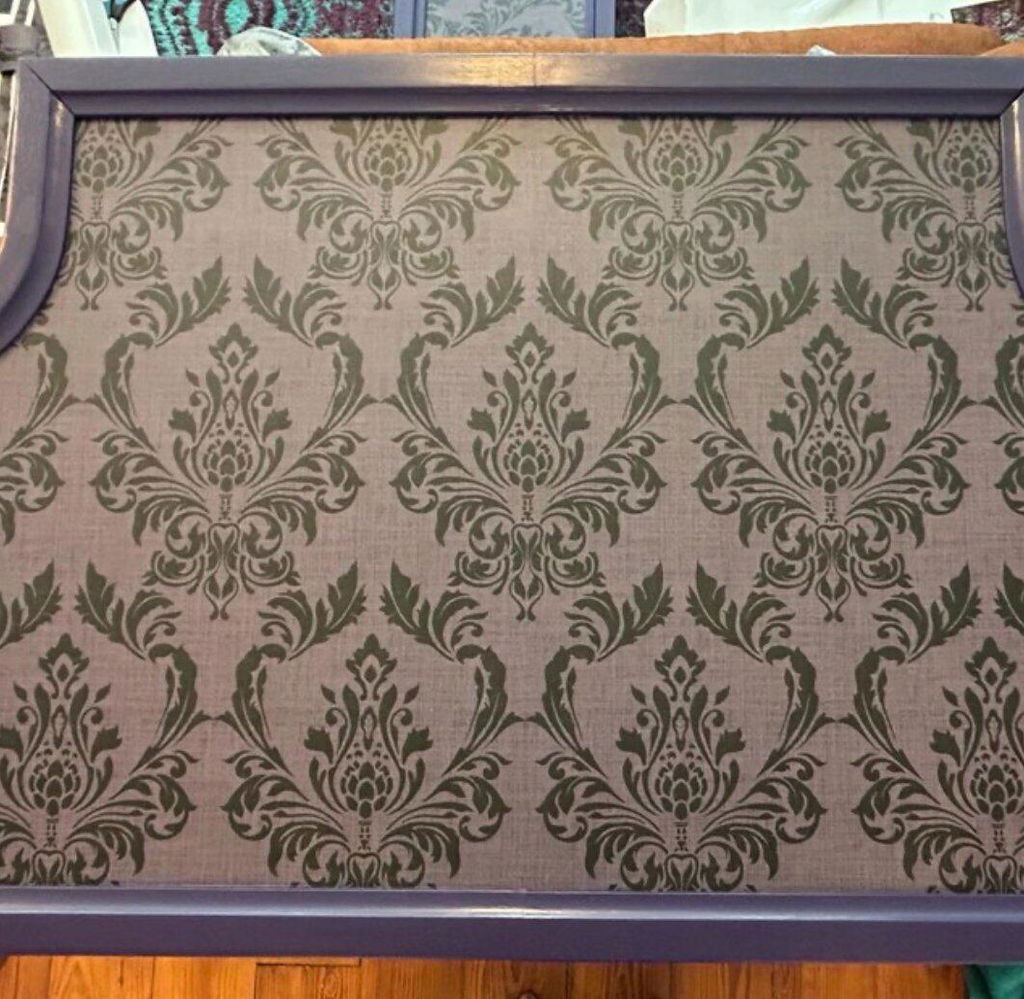
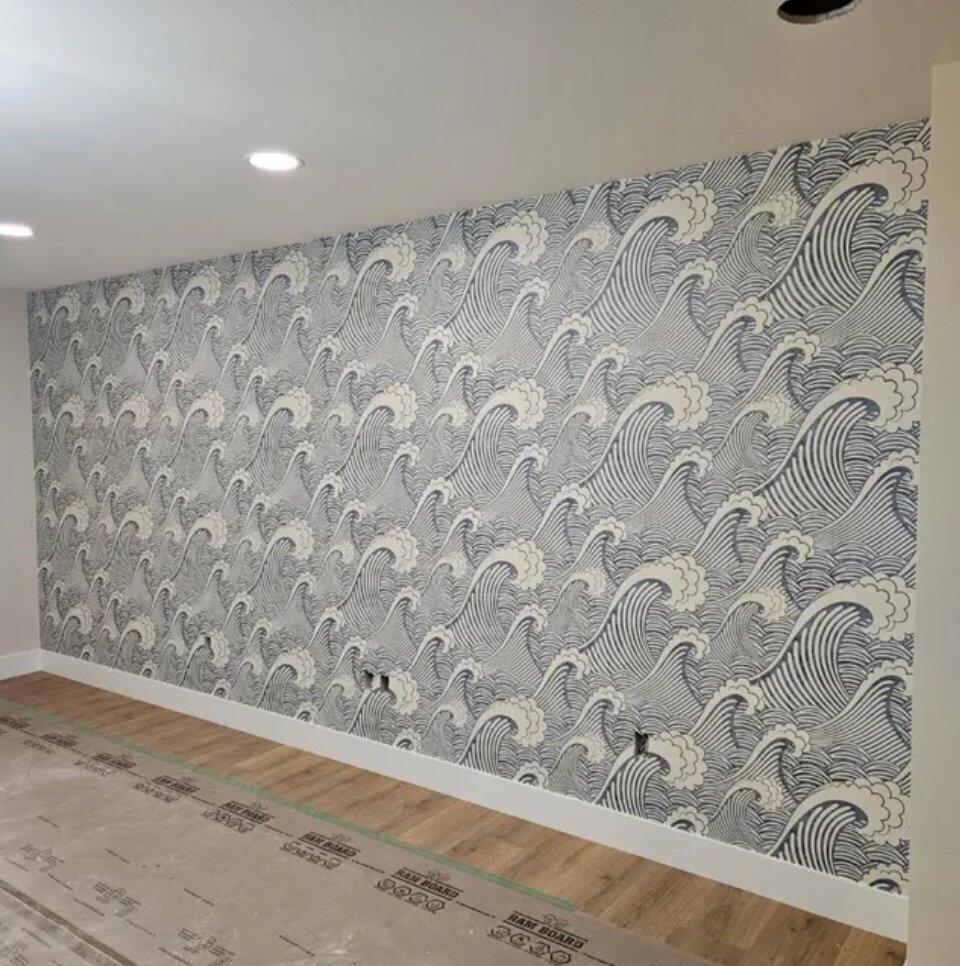
Depending on the design, peel and stick wallpaper can create a subtle background, a repeating pattern, a faux texture, or a dramatic focal point.

Transform Your Walls With Peel and Stick Wallpaper
Explore designs for accent walls, full-room makeovers, and everything in between.
Explore the CollectionThe Biggest Difference: Coverage
- A wall sticker adds something to the wall.
- Wallpaper changes the wall itself.
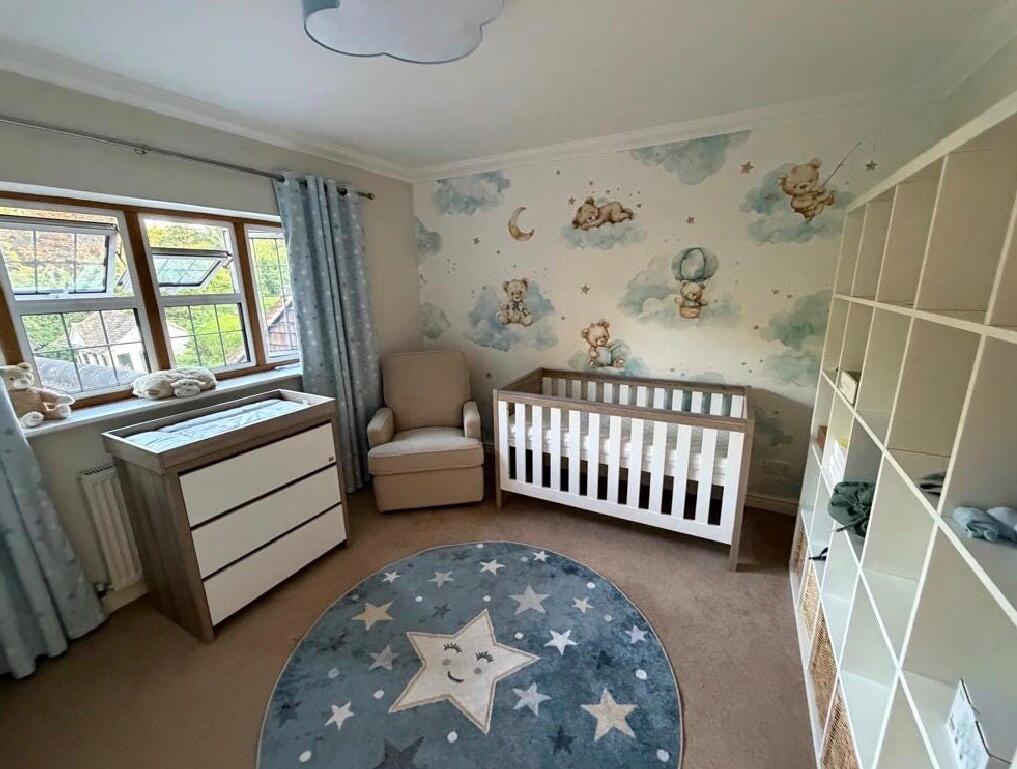
Picture a nursery with a few animal decals above the crib — the original painted wall is still mostly visible. Now picture the same wall covered in a continuous woodland pattern — the entire surface becomes part of the room's theme.

Neither approach is wrong; they simply serve different purposes. Use decals to draw attention to one small area. Use wallpaper to set the atmosphere of the whole room.
Are Wall Decals Better Than Wallpaper?
It depends on the application.
Choose decals when you:
- Only want to decorate a small section of wall
- Want individual graphics rather than a repeating pattern
- Need a very quick decorative update
- Want to preserve most of the existing wall color
- Expect to change elements frequently
Choose peel and stick wallpaper when you:
- Want complete wall coverage
- Are creating an accent wall
- Want a continuous pattern
- Want the wall to become a major design feature
- Want a more cohesive, finished appearance
The better option depends less on the product itself and more on the scale of transformation you're after.
Which Is Easier to Change?
For renters, kids' rooms, temporary homes, or anyone who likes to redecorate often, removability matters.
Peel and stick wallpaper is the more relevant comparison here (rather than conventional pasted wallpaper), since both it and decals rely on adhesive application:
- Decals are applied individually, making it easy to add or replace a few elements at a time.
- Peel and stick wallpaper applies the same idea at a larger scale, giving you substantial visual change without traditional paste.
Always check the specific product instructions and wall-surface requirements before installation or removal.
Peel and Stick Decals vs Wallpaper
When both products use peel and stick technology, installation principles are similar — an adhesive-backed material goes directly onto a properly prepared wall. The difference is the visual result:
- Decals leave exposed wall between elements — good for scattered compositions and smaller details.
-
Wallpaper creates a continuous surface — better for:
- Full accent walls
- Repeating geometric patterns
- Floral designs
- Stripes
- Faux textures
- Large-scale patterns
- Immersive room themes
If your design depends on repetition or continuous coverage, wallpaper is the more practical choice.


What About Peel and Stick Wall Murals?
A third option fits naturally into this comparison: the peel and stick wall mural.
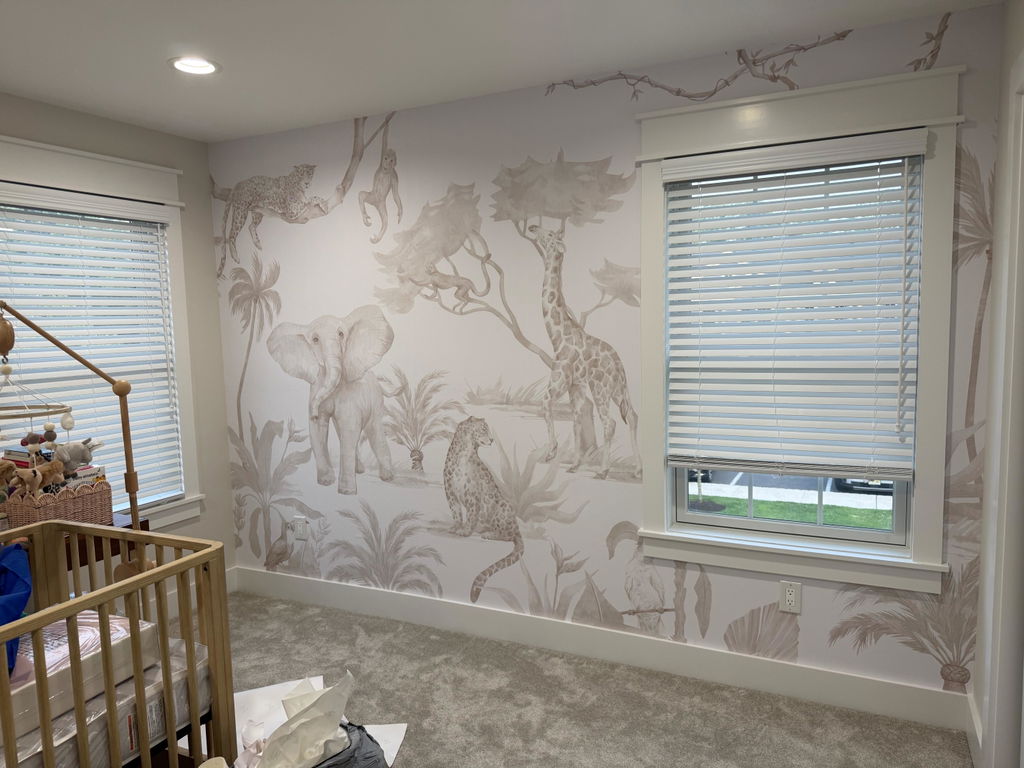
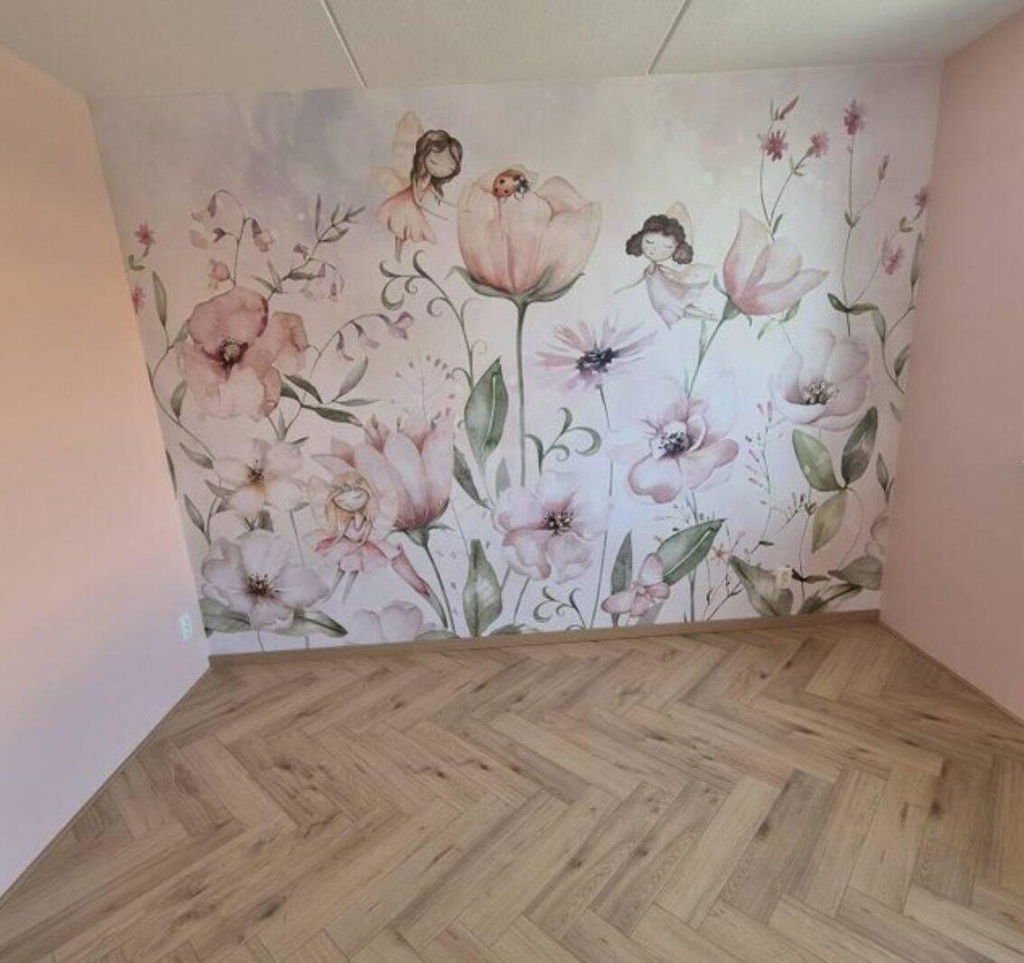
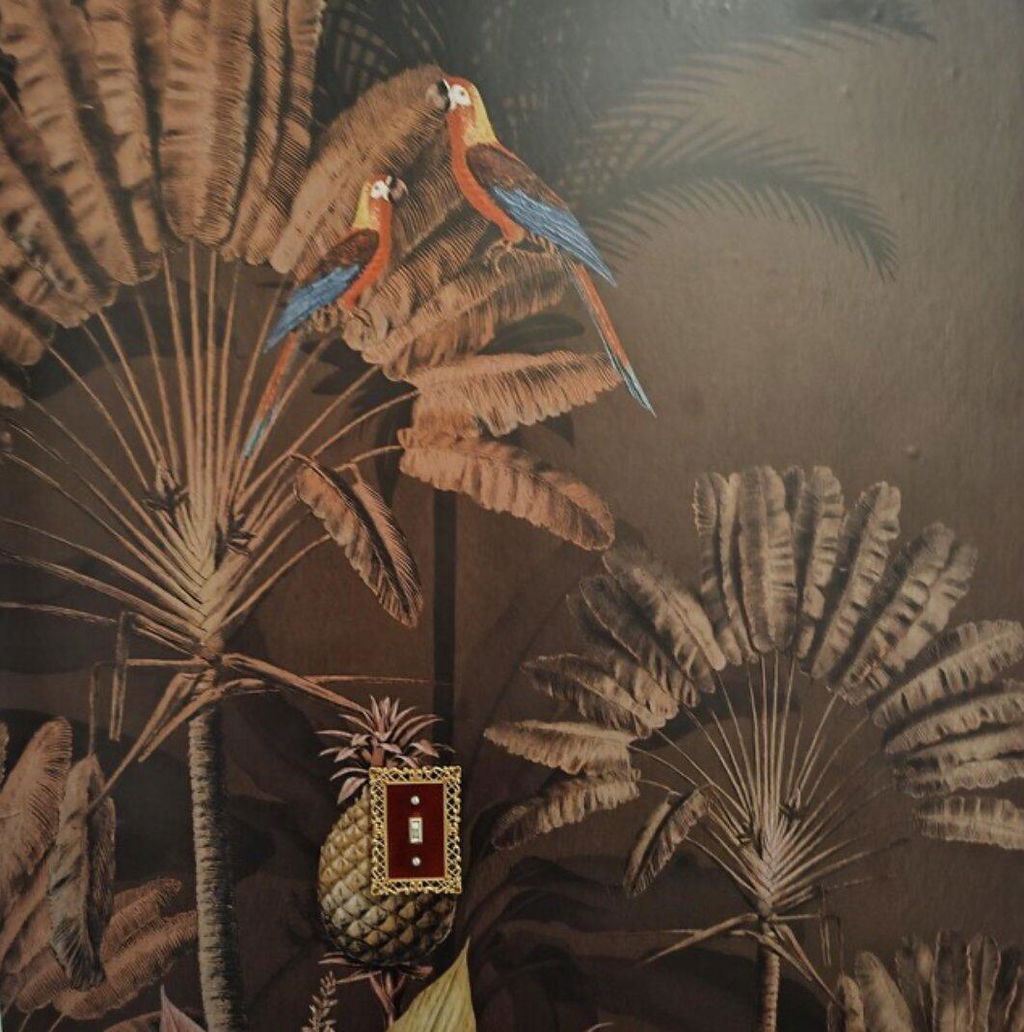
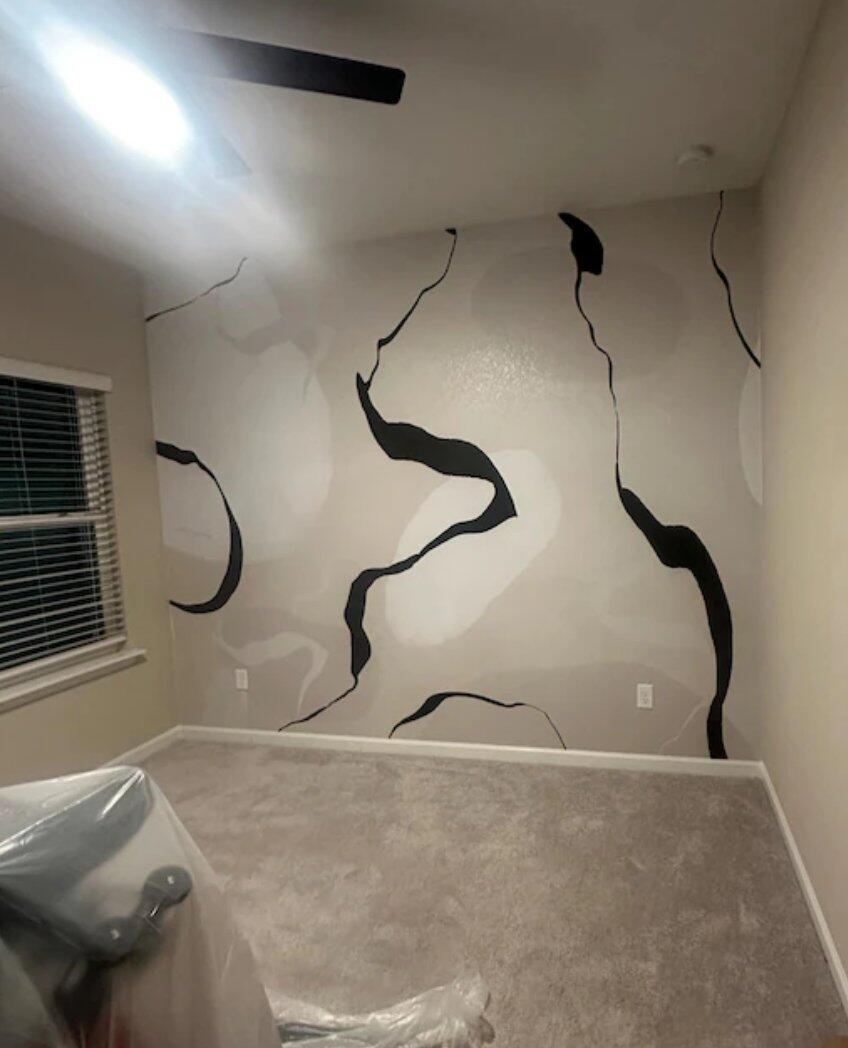
Like wallpaper, a mural covers a large portion of the wall — but instead of a repeating pattern, it typically forms one large-scale scene or composition, letting the wall function almost like an oversized piece of art. Murals can create effects decals can't easily match:
- Panoramic landscapes
- Large botanical compositions
- Forest scenes
- Abstract artwork
- Oversized florals
- Children's illustrated scenes
- Dramatic nature-inspired designs
For anyone drawn to decals for their illustrative quality, murals offer the same visual storytelling with the impact of full-wall coverage.


Turn Your Wall Into a Statement
Explore large-scale designs from the Costa Cover wall mural collection.
Explore Wall MuralsWhich Option Looks More Finished?
This is subjective, but wallpaper and murals typically create a more integrated interior simply because they cover more surface. A wallpaper pattern can tie together the colors of furniture, textiles, flooring, and accessories throughout the room. A mural takes this further, turning the whole wall into one visual composition.
Decals create a different effect: because the original wall stays visible, the result feels lighter and more playful — great for a nursery, playroom, or temporary space. For a living room, dining room, bedroom, or anywhere you want a more immersive design, wallpaper or a mural usually has greater visual impact.

Which Is Easier to Install?
Decals win on installation speed alone — small pieces can be positioned individually with little need to align sections or match patterns.
Peel and stick wallpaper requires more planning: adjacent panels need to line up, and repeating patterns make positioning especially important. Murals also require careful alignment, since multiple panels often form one continuous image.
That said, both peel and stick wallpaper and peel and stick murals skip the separate paste step required by conventional wallpaper. For a tiny update, decals are faster; for a full-wall transformation, the extra installation effort pays off in the final result.
Which Is Better for an Accent Wall?
Peel and stick wallpaper or a wall mural is usually the stronger choice for a true accent wall, since continuous color, texture, pattern, or imagery makes the focal point immediately visible.
Wallpaper works well for pattern and rhythm across the wall — bold geometrics, delicate florals, vintage motifs, minimalist patterns, botanical prints, stripes, or abstract designs.


Murals work well for one large visual composition — scenic landscapes, oversized florals, or nature-inspired scenes.


Wall Decals vs Wallpaper for a Nursery or Kids' Room
All three options work well in children's spaces:
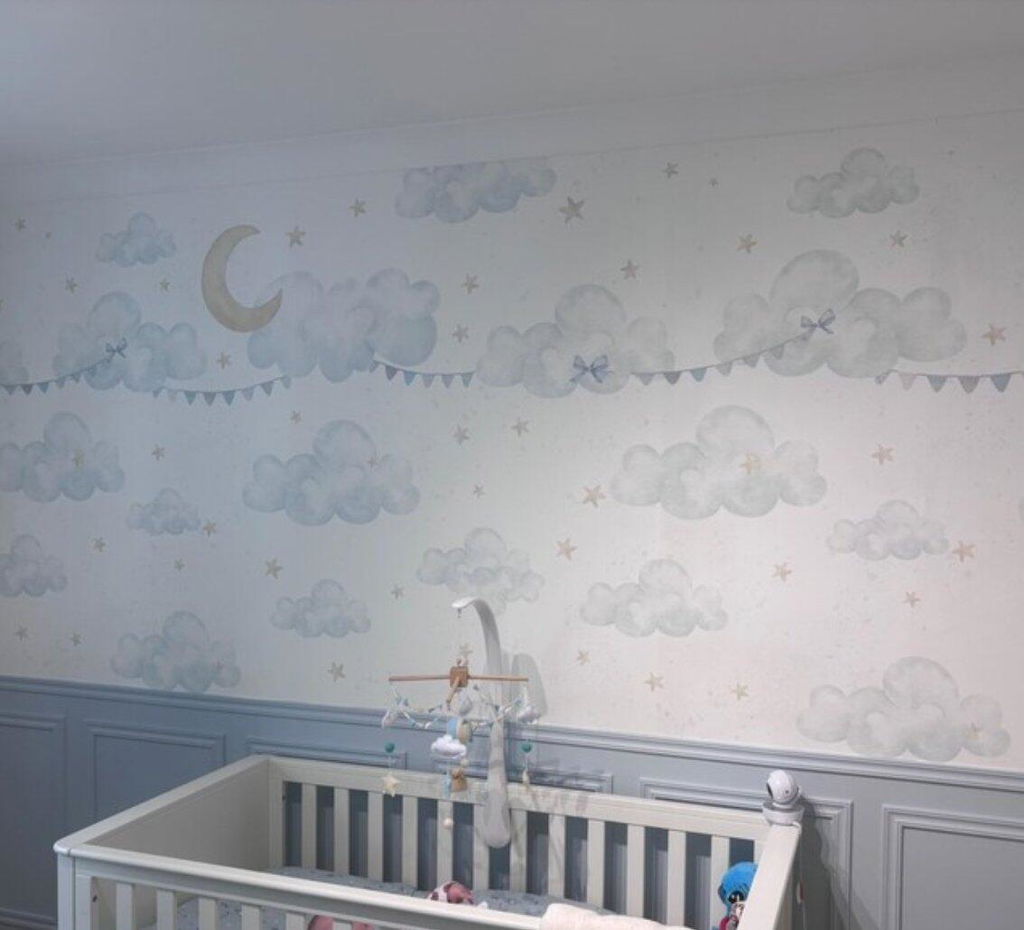
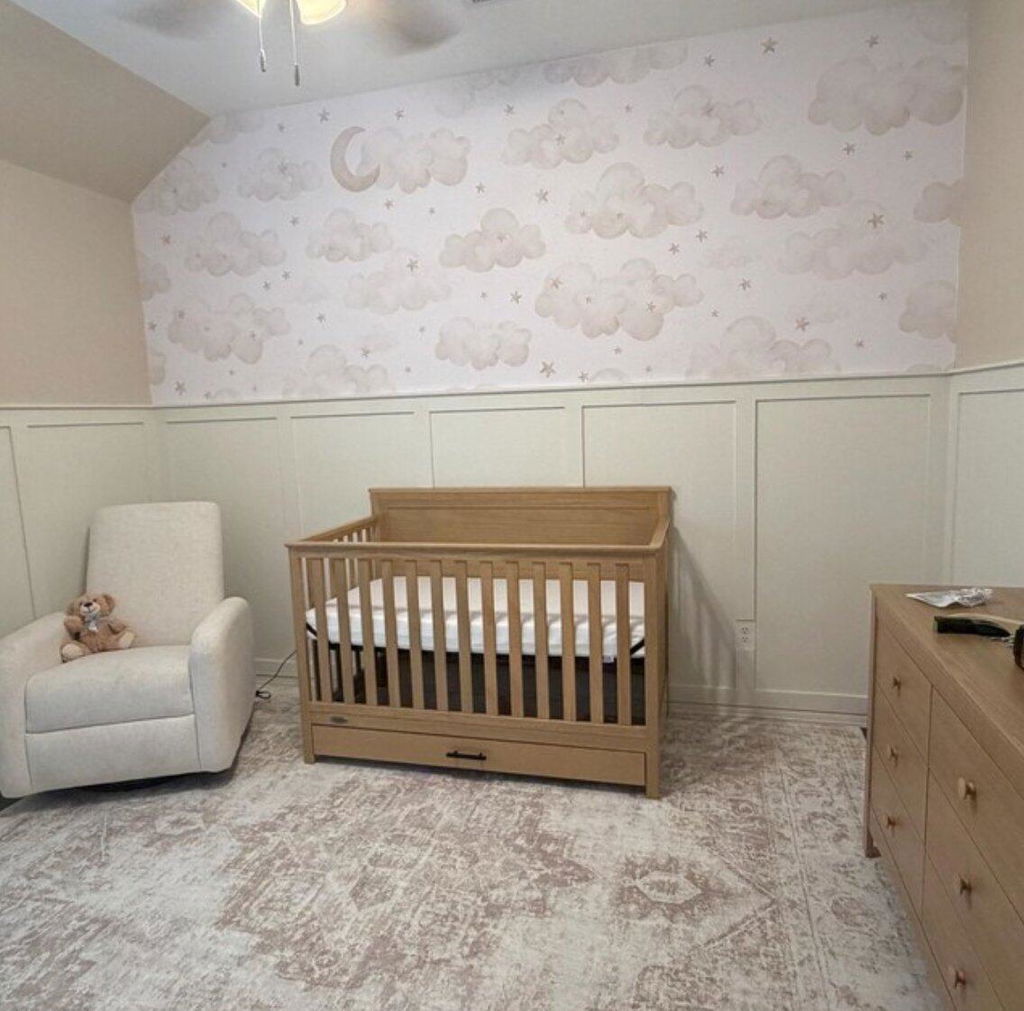
- Decals are convenient for adding animals, stars, clouds, or flowers while leaving most of the wall unchanged.
- Wallpaper creates a more immersive environment through a continuous repeating design.
- Murals go furthest — turning the wall into an illustrated forest, ocean, space, floral, safari, or landscape scene.
The right choice depends on whether you want decorative details, a repeating backdrop, or a full visual scene.


Wall Decals vs Wallpaper for a Living Room
Peel and stick wallpaper tends to offer more design flexibility in a living room, where it can tie together sofas, rugs, coffee tables, shelving, curtains, and lighting through a shared palette or pattern.
A mural is especially effective as a dramatic focal point behind a sofa, dining area, or console. Decals can still work — particularly in casual or eclectic interiors — but tend to function more like individual pieces of wall art.
If you want the wall itself to define the room's style, wallpaper or a mural is the stronger option.


Wall Decals vs Wallpaper for Renters
Renters often lean toward decals to avoid the commitment of conventional wallpaper — but that's exactly where peel and stick wallpaper deserves consideration. Instead of comparing decals only to traditional pasted wallpaper, renters can look at removable adhesive wallpaper, which offers significantly more coverage in the same convenient, damage-free format. A peel and stick mural offers the same advantage when the goal is a statement wall rather than a repeating pattern.
That said, adhesive products aren't suitable for every wall — paint condition, surface texture, and prep all affect application and removal. Always follow the manufacturer's requirements and instructions.
Wall Decals, Peel and Stick Wallpaper, or Wall Mural?
The easiest way to decide is to think about how much of the wall you want to transform:
- Decals — for individual decorative elements, keeping the existing wall as a major part of the design.
- Wallpaper — for continuous coverage, a repeating pattern, or a coordinated background for the whole room.
- Murals — for one large-scale image or composition that turns a wall into the room's focal point.
In short: decals decorate the wall, wallpaper redesigns the surface, and murals turn the wall into a statement.
Final Verdict
There's no universal winner, because these products solve different decorating problems:
- Wall decals are practical for small, flexible additions — ideal when you want to keep the existing wall and simply add a few visual elements.
- Peel and stick wallpaper suits larger transformations, with continuous coverage, repeating patterns, and the power to define a room's visual identity.
- Peel and stick wall murals go furthest, combining adhesive convenience with large-scale imagery for a truly dramatic result.
Think about scale: decorate the wall with decals, transform the surface with wallpaper, or make the wall the centerpiece of the room with a mural.