Damask has been part of interior design for centuries, but today's version looks very different from the heavy, formal rooms the pattern may bring to mind.
Modern interiors use damask wallpaper with more restraint: an oversized motif behind a bed, a black-on-charcoal pattern in a dining room, soft neutral damask across a bedroom, or touches of gold against otherwise simple furniture.
The pattern itself hasn't lost its ornate character. What has changed is the way we use it.
So, can damask wallpaper look modern? Absolutely. The key is choosing the right scale, color contrast, and placement — and giving the pattern enough visual space instead of surrounding it with equally ornate décor.

What Is Damask Wallpaper?
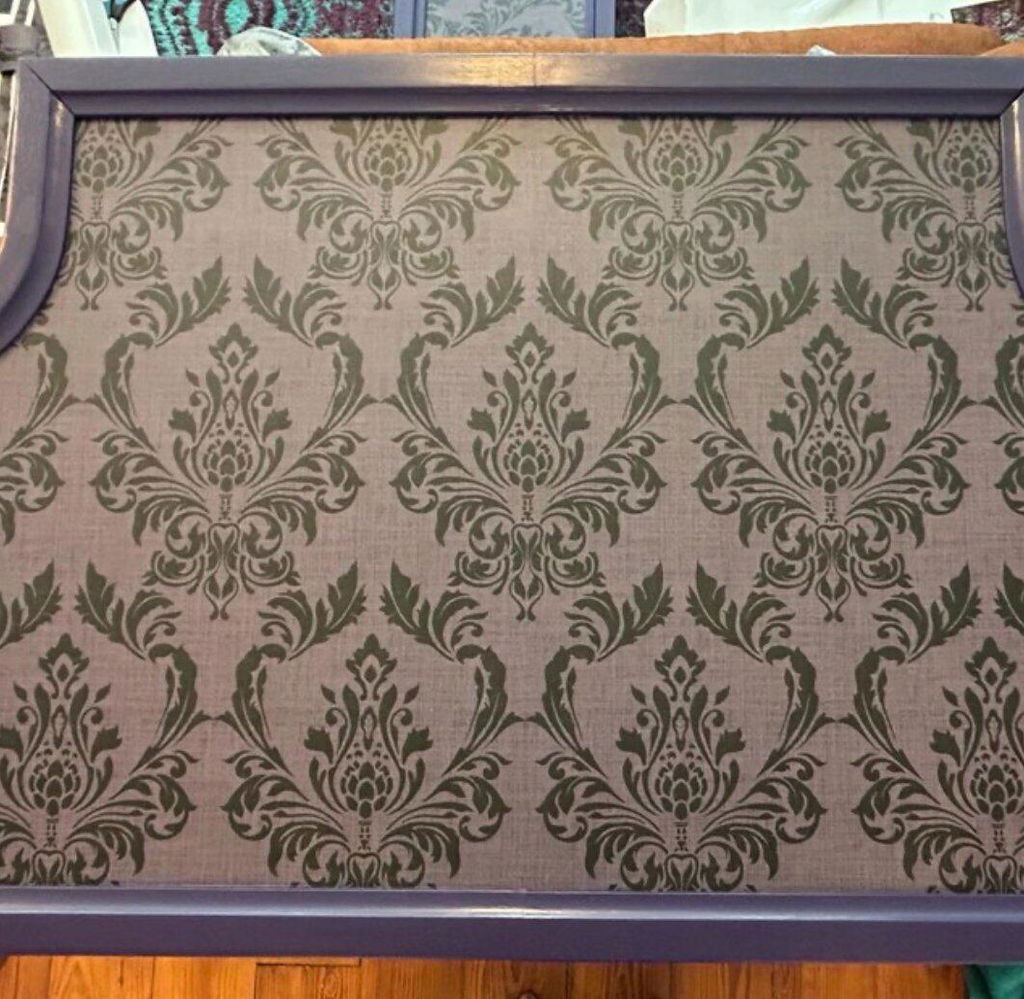
Damask is a symmetrical repeating pattern traditionally inspired by woven damask textiles. Its motifs commonly incorporate stylized flowers, leaves, scrolls, medallions, and other botanical forms arranged around a central axis.
The name is associated with Damascus, an important historic center in the textile trade. Damask textiles later became prominent in European interiors, where the intricate woven patterns became associated with decorative luxury.
That textile heritage explains the distinctive look of damask wallpaper today: ornate details arranged within a highly structured repeat.
Unlike a free-flowing floral print, damask usually has an obvious symmetry. Unlike geometric wallpaper, its shapes tend to be curved and botanical rather than angular.
That combination of ornament and order is precisely what makes the pattern so adaptable.

Is Damask Wallpaper Outdated?
No — but certain ways of styling it can feel dated.
Traditional damask was often combined with elaborate furniture, heavy drapery, dark wood, decorative moldings, and several competing patterns. Recreating all of those elements at once can make a modern room feel more like a period interior.
Contemporary damask takes a different approach.
Designers can make damask feel more current by reducing contrast, using unexpected materials or finishes, and combining its classical pattern with contemporary surroundings.
In practical terms, that means:
- choosing black, charcoal, muted gold, taupe, cream, or other edited palettes;
- using larger or simplified motifs;
- pairing damask with clean-lined furniture;
- limiting ornate elements elsewhere in the room;
- using one wallpapered focal point rather than automatically covering every surface.
The goal isn't to remove the historical character of damask. It's to give that character a cleaner setting.

4 Ways to Make Damask Wallpaper Look Modern
1. Go Tonal Instead of High-Contrast
One of the easiest updates is to reduce the contrast between the motif and its background.
Think charcoal on black, warm beige on cream, or gray on a slightly darker gray.
From across the room, tonal modern damask wallpaper can read almost like texture. The ornamental detail becomes more visible as you get closer, which gives the wall depth without making it the only thing you notice.
This approach works particularly well if you want to use damask across more than one wall.
2. Let the Pattern Be the Ornate Element
Damask already provides plenty of visual detail.
If the wallpaper is elaborate, balance it with simpler furniture, lighting, window treatments, and accessories. A clean-lined bed against an ornate wall often looks much more contemporary than an ornate bed against the same pattern.
Contrast is what makes the combination interesting.
3. Experiment With Scale
Traditional damask repeats can be relatively compact. Enlarging the motif changes its character.
A large-scale damask feels more graphic and gives individual shapes room to breathe. It can be particularly effective on a tall wall or behind a large piece of furniture.
Smaller repeats, meanwhile, create a denser and more traditional effect.
4. Use It Where the Architecture Already Creates a Focal Point
Rather than choosing an arbitrary wall, look for a surface the room naturally emphasizes: behind a bed, along a dining area, around a fireplace, or at the end of an entryway.
This makes the wallpaper feel integrated into the architecture rather than added as decoration afterward.

Black, Gold, or Neutral? Choosing Your Damask Style
Color can change the character of damask more dramatically than almost any other element.
Black Damask Wallpaper: Dramatic and Moody
Black damask wallpaper brings the pattern firmly into darker, moodier interiors.
For the most subtle effect, choose black-on-black or black-and-charcoal. The pattern remains visible but behaves almost like surface texture.
For more drama, introduce cream, silver, or gold into the motif.
Black damask works especially well with:
- warm wood;
- brass or aged-metal accents;
- cream upholstery;
- velvet;
- smoked or clear glass;
- warm, layered lighting.
A darker palette also makes damask a natural companion to contemporary moody interiors — particularly bedrooms, dining rooms, home offices, and intimate entertaining spaces.


Gold Damask Wallpaper: Warm and Decorative
Gold damask wallpaper emphasizes the luxurious side of the pattern.
The most contemporary versions don't necessarily rely on bright, highly reflective gold. Antique gold, muted metallics, champagne, and warm brushed finishes can be easier to integrate into everyday interiors.
Gold against black creates maximum drama. Gold against cream or beige is softer and warmer. Deep green, navy, and other saturated backgrounds can create a richer, more maximalist effect.
Gold also connects damask naturally with the glamour of Art Deco wallpaper, although the two styles use pattern differently: damask is typically curving and botanical, while Art Deco relies more heavily on geometry and strong architectural lines.


Neutral Damask Wallpaper: Subtle and Versatile
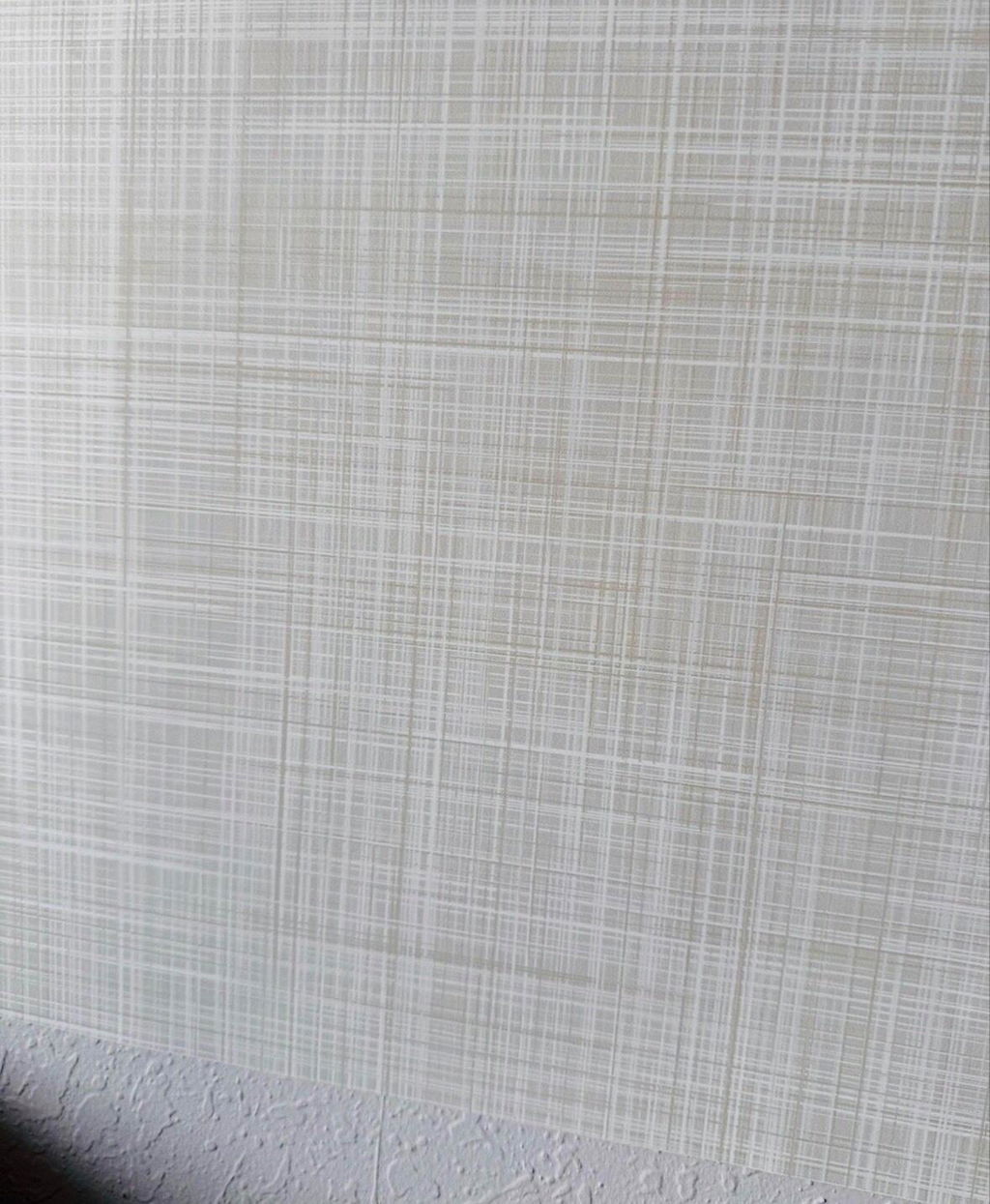
For a quieter room, look at cream, beige, taupe, greige, and gray.
Neutral damask provides enough repetition to keep a wall interesting without demanding the attention of black or metallic designs.
It's particularly useful in bedrooms and living spaces where you want decorative depth but still want furniture, textiles, or artwork to take visual priority.


Modern Damask: When the Pattern Matters More Than the Period
Not every damask design needs to fit neatly into "black," "gold," or "traditional."
Contemporary interpretations can play with unusual proportions, distressed effects, simplified motifs, unexpected colors, or lower-contrast repeats.
If the symmetry and ornamental character remain recognizable but the execution feels fresh, damask can work comfortably in contemporary, eclectic, maximalist, and transitional interiors.


Explore the Damask Wallpaper Collection
Discover classic and modern damask wallpaper designs.
Explore the CollectionDamask Accent Wall or Full Room?
One of the biggest decisions isn't which damask to choose — it's how much of it to use.
A damask accent wall is usually the more flexible choice when the pattern has strong contrast, a dark background, metallic details, or a particularly large motif.
Good locations include the wall:
- behind a bed;
- behind a sofa;
- facing a dining table;
- around or opposite a fireplace;
- at the end of a hallway or entryway.
Full-room damask creates a more immersive result.
It tends to work best when the color contrast is relatively controlled or when the room is intentionally designed to feel enveloping. A tonal neutral damask, for example, can cover four bedroom walls without having the same visual weight as a black-and-gold pattern.
There is no rule that small rooms must use small patterns or light colors. A powder room, for example, can be an effective place for a dramatic full-room treatment because its compact size turns the wallpaper into a deliberate design feature.
Quick rule: if you want the wallpaper to be the focal point, start with one wall. If you want the pattern to become the atmosphere of the room, consider full coverage.

Damask, Art Deco, Art Nouveau, or Vintage Mural?
These styles can all create statement walls, but they produce very different effects.
| Style | Defining Character | Best For |
|---|---|---|
| Damask | Symmetrical, repeating ornamental motifs | Elegant, dramatic, modern-classic interiors |
| Art Deco | Geometric lines, fans, arches, symmetry | Glamorous and graphic interiors |
| Art Nouveau | Flowing botanical forms and curved lines | Organic, decorative spaces |
| Vintage mural | Large-scale scene or illustration | Creating a complete visual focal point |
Damask is the most structured of the ornamental options: its repetition creates rhythm across the wall.
Art Nouveau feels more fluid. Art Deco feels more architectural. A vintage mural moves away from repetition altogether and treats the wall more like a large artwork.
Understanding that distinction makes it easier to choose a wall treatment based on the effect you want rather than simply choosing between individual patterns.
Before You Choose: A Simple Damask Wallpaper Checklist
Before settling on a design, ask four questions.
How much contrast do I want?
High contrast makes the pattern a focal point. Tonal damask behaves more like texture.
How large is the motif?
Large motifs feel more graphic and need enough visible wall area to appreciate the repeat.
What will sit in front of the wall?
Beds, sofas, consoles, and artwork will hide part of the pattern. Consider the final composition, not just an empty wall.
Do I want one statement wall or an immersive room?
This decision can change which color and scale will work best.
If you're unsure between two designs, compare samples in the actual room and look at them in both daylight and evening light before committing to the full wall.


Find Your Damask Wallpaper
Explore damask designs in classic, neutral, dark, and decorative styles.
Explore the Collection