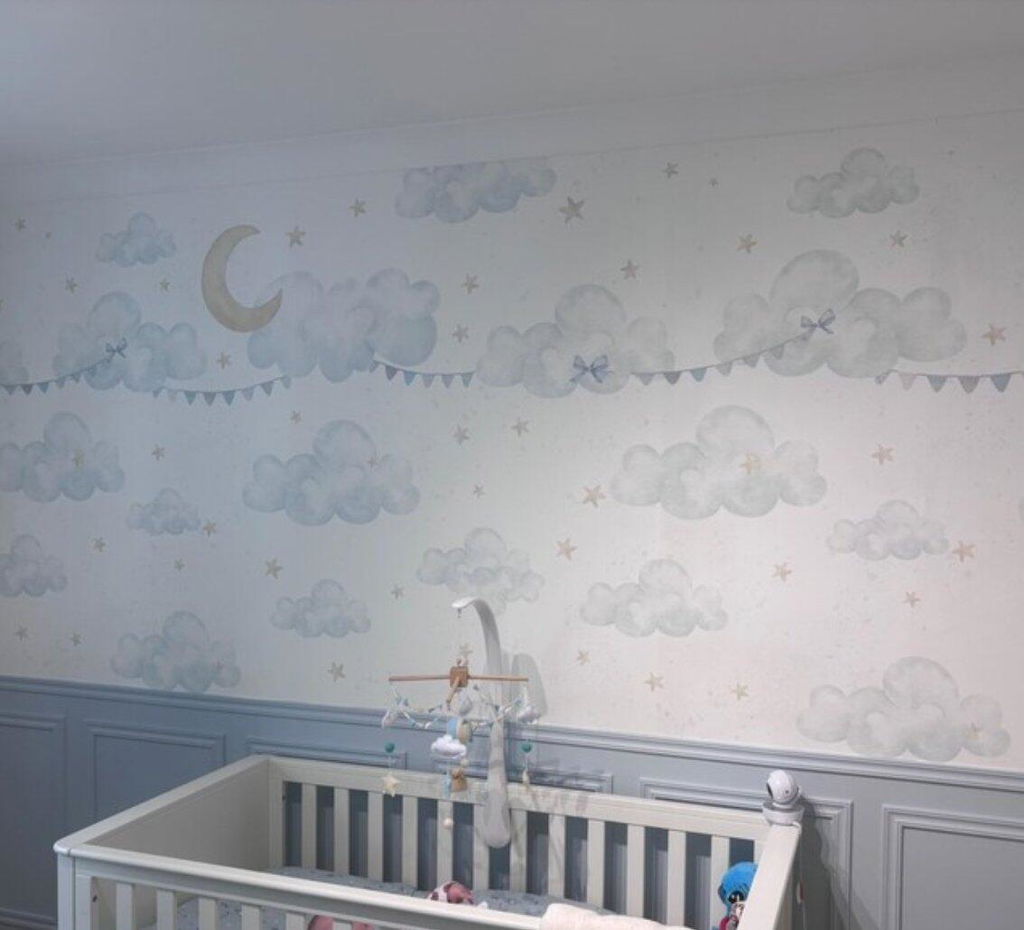
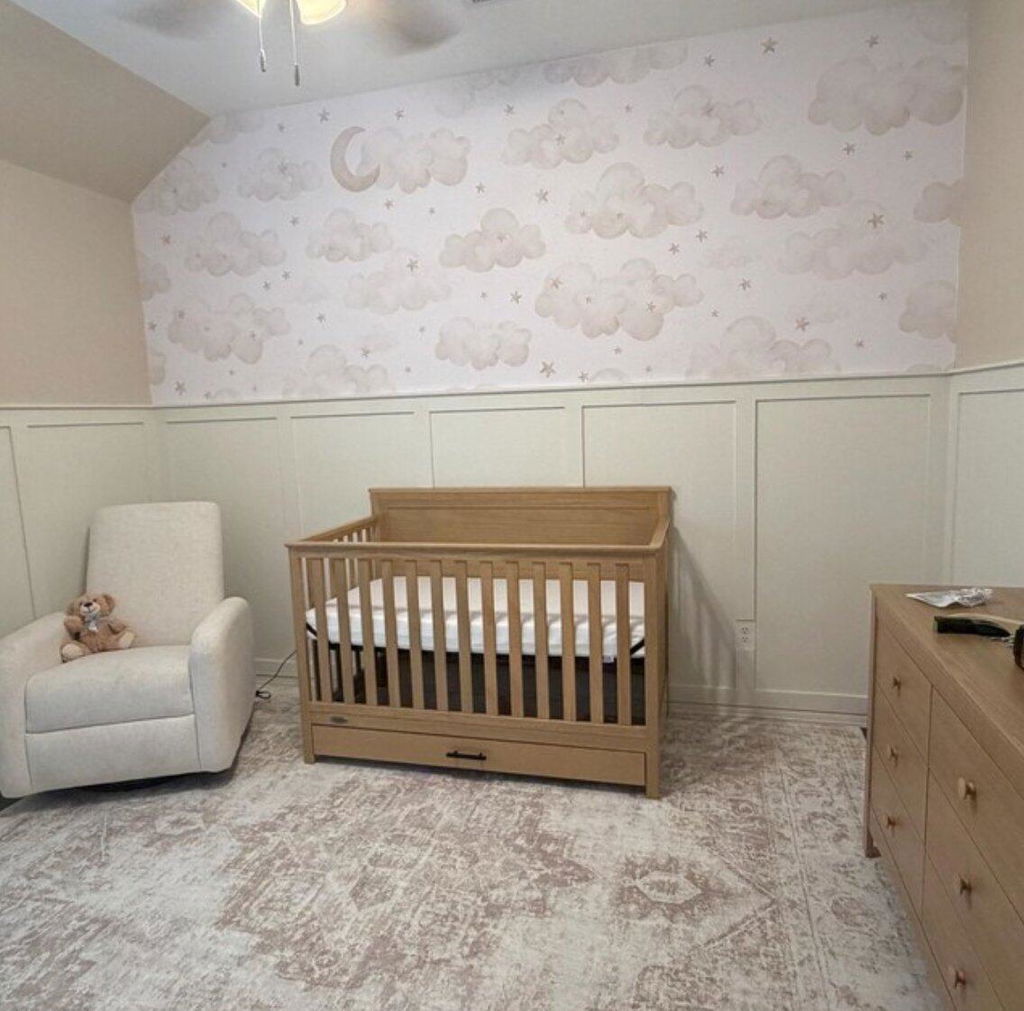
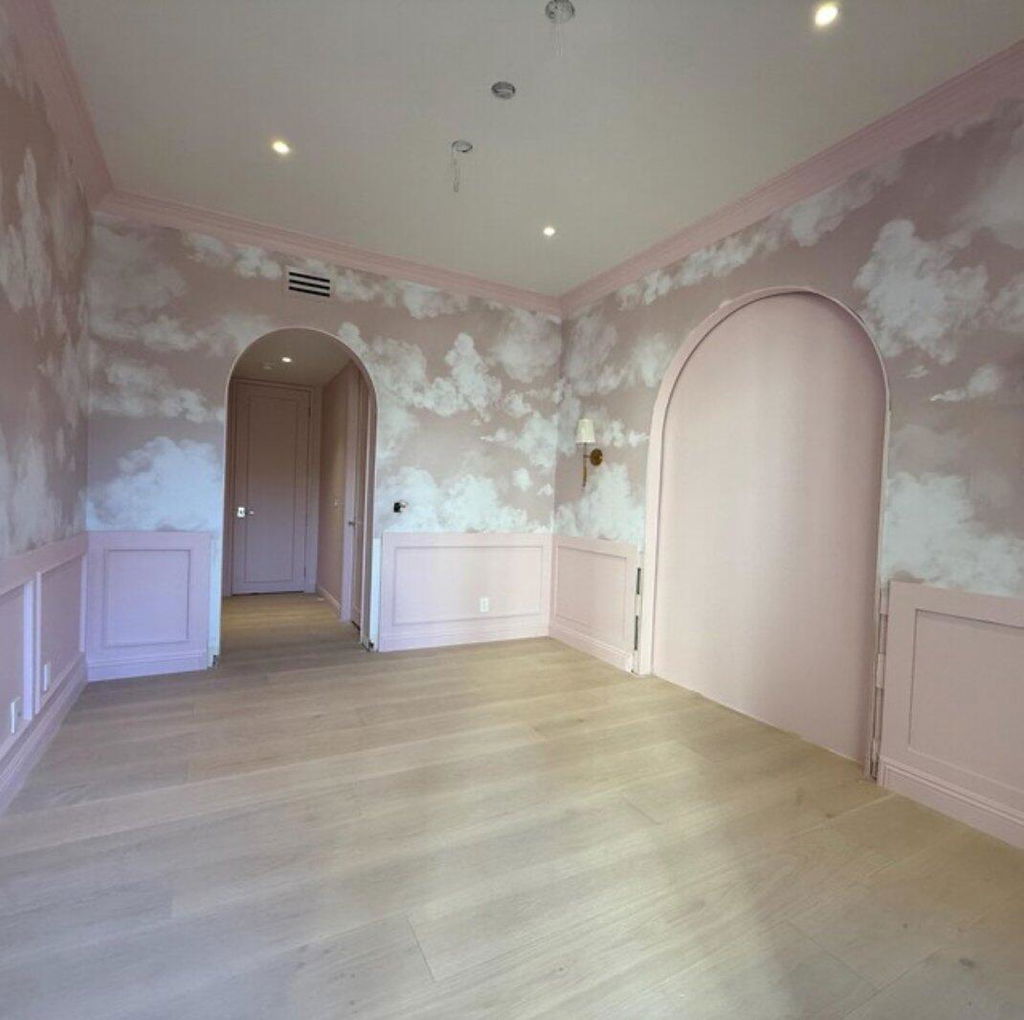
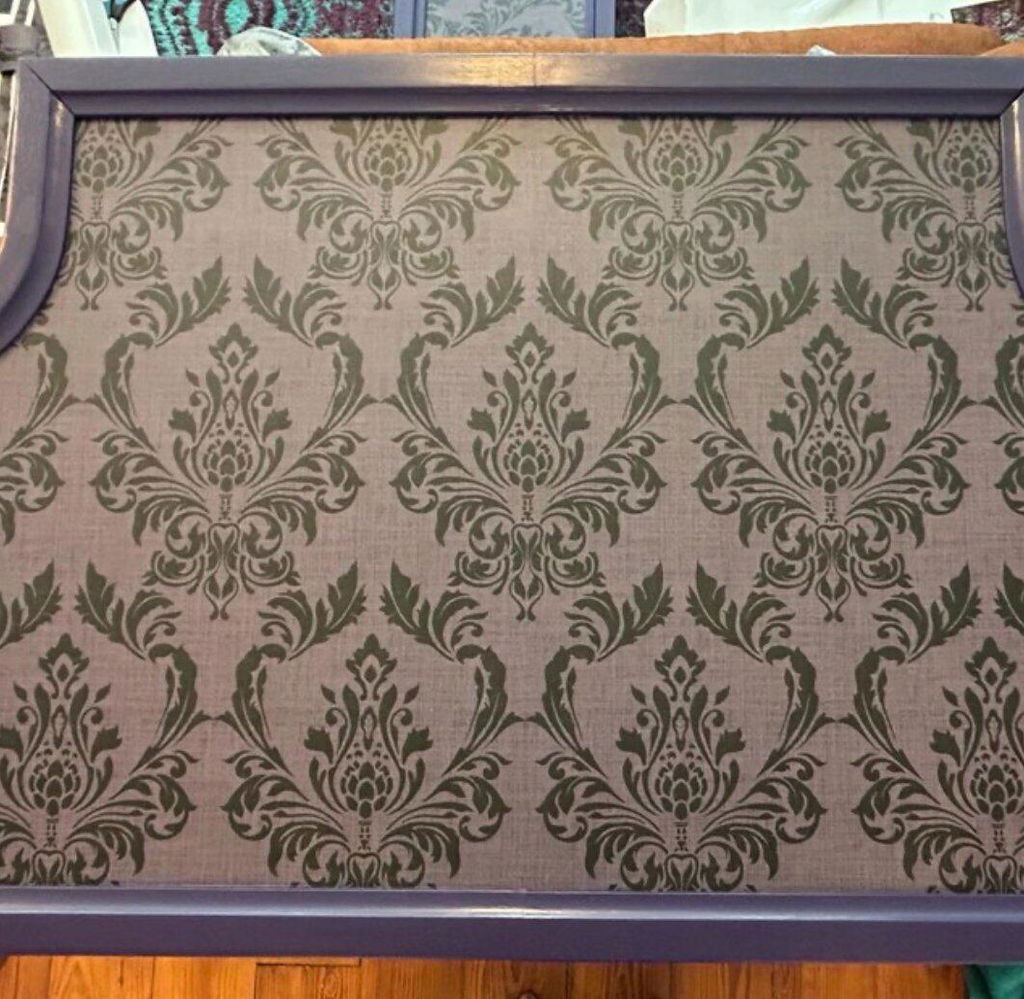
Choosing wallpaper today isn’t just about pattern — it’s about installation method, durability, and how long you plan to live with the design. If you’re comparing peel and stick vs prepasted wallpaper, understanding how each type performs in real homes across the U.S. will help you avoid costly mistakes.
Homeowners often ask: is prepasted wallpaper the same as peel and stick? The short answer is no. While both simplify installation compared to traditional methods, they function very differently in terms of adhesive, longevity, and surface compatibility.
Let’s break it down clearly and practically.

What Is Prepasted Wallpaper?
If you're wondering what is prepasted wallpaper, it’s a wall covering that comes with dry adhesive already applied to the back. The glue activates with water before installation.
Unlike self-adhesive materials, prepasted wallpaper requires soaking or using a water tray to trigger the paste. Once activated, the paper is applied to the wall and smoothed into place.
Where It Works Best
Prepasted wallpaper is popular in residential projects where homeowners want a semi-permanent solution without handling separate paste buckets.
Strengths
-
Cleaner than traditional paste methods
-
More forgiving during positioning
-
Stronger long-term hold than most removable options
Limitations
-
Requires proper wall prep
-
Limited working time after activation
-
Can be difficult to remove years later
When people compare prepasted vs unpasted wallpaper, the difference is mainly control. Unpasted (traditional) wallpaper allows you to choose a specific adhesive for challenging walls, while prepasted simplifies the process but gives you less customization.

What Is Non Pasted Wallpaper?
Many people ask what is non pasted wallpaper. This refers to traditional wallpaper that does not include adhesive. You apply paste separately before hanging it.
Non-pasted wallpaper is often chosen for high-end or permanent installations. Because you control the adhesive type and amount, it offers stronger bonding and better durability in demanding environments.
It requires more experience, careful booking time, and precise alignment. But once installed properly, it can last for many years.

What Is Peel and Stick Wallpaper?
Peel and stick wallpaper (often called removable wallpaper) has a pressure-sensitive adhesive protected by a backing layer. You simply peel off the liner and apply it directly to the wall.
This option has become extremely popular in the U.S., especially among renters and DIY enthusiasts.
It’s important to distinguish between modern removable materials and what some call traditional peel and stick wallpaper. Earlier generations had weaker adhesives and thinner substrates. Today’s higher-quality versions — especially vinyl-based products — are more durable and easier to reposition.
Advantages
-
No water or paste required
-
Fast installation
-
Minimal cleanup
-
Easy removal (ideal for rentals)
Considerations
-
Works best on smooth, primed walls
-
Not ideal for textured surfaces
-
Adhesion may weaken in humid environments

Vinyl Wallpaper Pros and Cons
Many peel and stick and prepasted options are made from vinyl. Understanding vinyl wallpaper pros and cons helps determine if it suits your space.
Pros
-
Moisture resistant
-
Easy to clean
-
Durable for kitchens and bathrooms
-
More resistant to tearing
Cons
-
Less breathable than paper-based wallpaper
-
May highlight wall imperfections
-
Premium vinyl can be more expensive
In American homes, vinyl wallpaper remains a top choice for practicality and longevity.

Is Prepasted Wallpaper the Same as Peel and Stick?
No — and this confusion is common.
Prepasted wallpaper requires water activation and behaves more like traditional wallpaper during installation. Peel and stick wallpaper uses pressure-sensitive adhesive and sticks immediately without moisture.
If you want flexibility and removability, peel and stick is typically better. If you want a stronger, more traditional bond without separate paste application, prepasted may be the right balance.

Best Pre Pasted Wallpaper: What to Look For
When searching for the best pre pasted wallpaper, consider:
-
Thick substrate to prevent tearing
-
Clear pattern alignment guides
-
Mold and mildew resistance
-
Strong but workable adhesive
-
Compatibility with standard U.S. drywall
Quality matters more than installation type. Poor manufacturing can lead to peeling seams or visible bubbles regardless of format.

Final Comparison: Which One Should You Choose?
If you rent, redecorate frequently, or want a simple weekend project, peel and stick wallpaper offers flexibility and speed.
If you own your home and want longer-lasting results with easier installation than full traditional paste, prepasted wallpaper offers a middle ground.
If durability and premium finish are your top priorities, non-pasted wallpaper with professional installation may provide the strongest long-term value.
The right decision depends on your walls, climate, timeline, and design goals. By understanding these differences clearly, you can choose a wallpaper solution that enhances your space — and performs exactly as expected.