The best wallpaper for a small room uses light-reflecting colors, appropriately scaled patterns, and directional designs that visually expand the space. Vertical lines can make a low ceiling appear higher, while horizontal patterns add width to narrow rooms. A carefully chosen accent wall or panoramic mural can also create depth without overwhelming the interior.
However, decorating a compact room does not mean limiting yourself to white walls and barely visible patterns. Dark colors, oversized florals, geometric prints, and dramatic murals can work beautifully when they complement the room’s lighting, proportions, and purpose.

What to Look for in Small-Room Wallpaper
When choosing wallpaper for a small room, consider more than the color or pattern alone. The same design can feel open and balanced in one space but visually crowded in another.
Pay attention to:
- the amount of natural and artificial light;
- the height and width of the walls;
- the size and spacing of the pattern;
- the room’s furniture and existing decor;
- the direction in which the design leads the eye;
- whether you want the room to feel brighter, wider, taller, or cozier.
In a small north-facing bedroom, for example, warm off-white, beige, blush, or muted peach wallpaper can work better than a cool gray design. Warmer tones compensate for limited daylight without making the room feel noticeably darker.
A brighter room gives you more freedom. In a sunny powder room, kitchen, or home-office nook, you can introduce deeper colors, larger motifs, or a statement mural while maintaining a comfortable sense of space.

Do Dark Colors Really Make a Small Room Look Smaller?
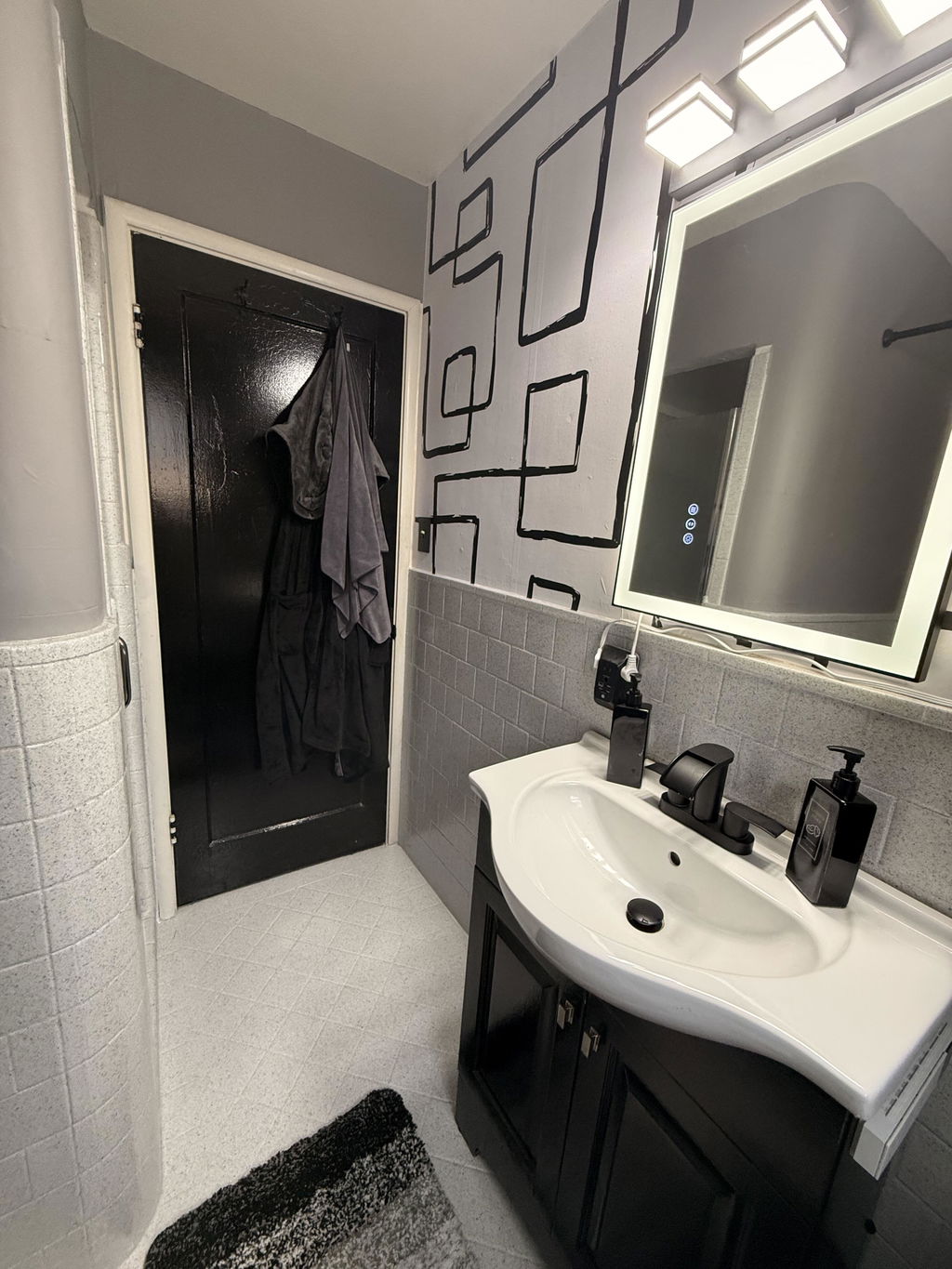
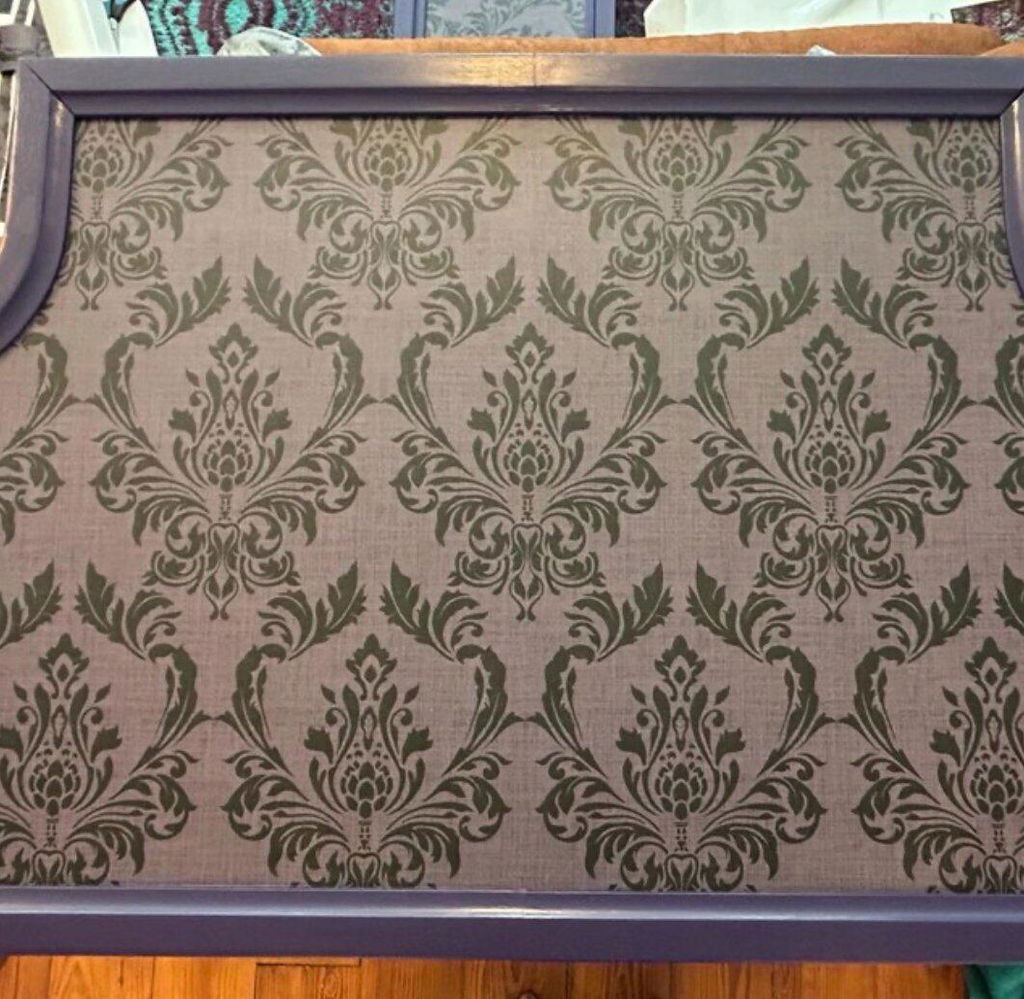
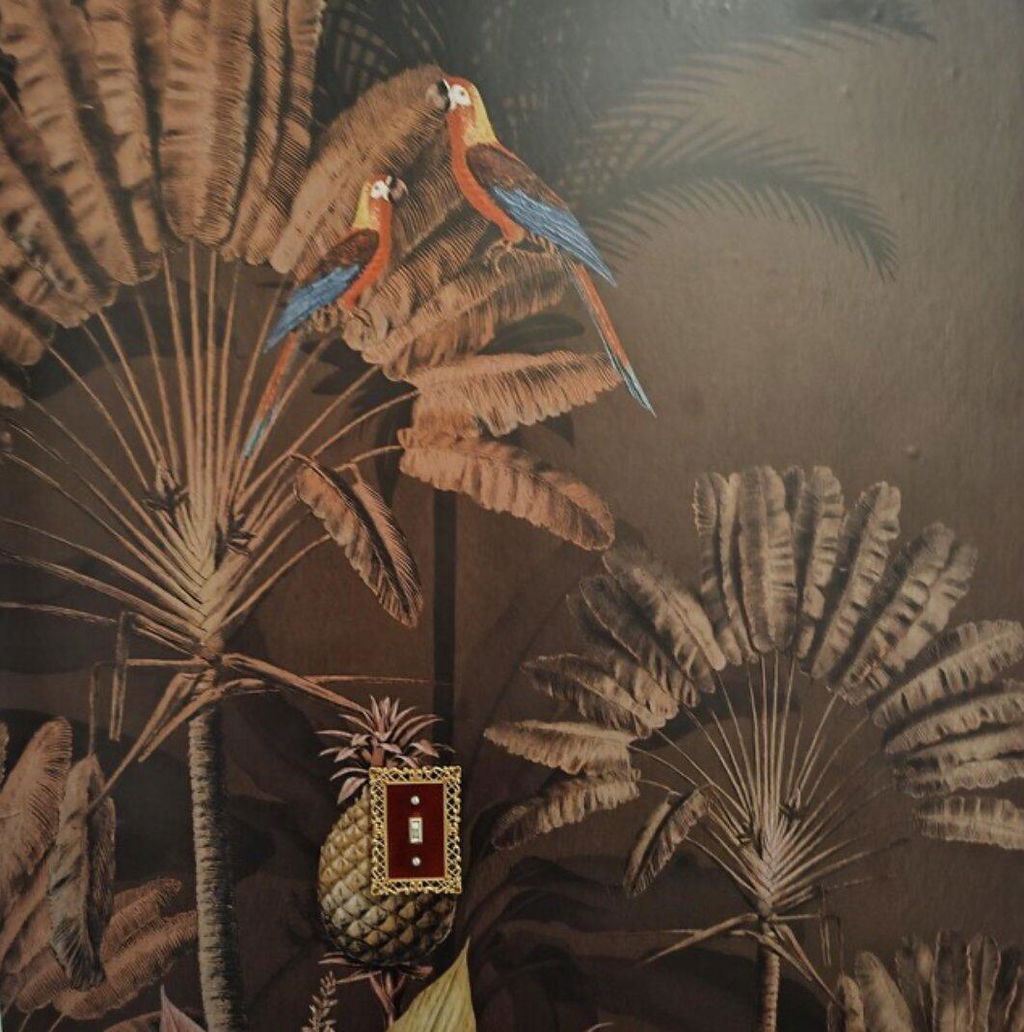
Dark wallpaper does not automatically make a small room look smaller. Deep green, navy, charcoal, burgundy, and chocolate tones can soften the visible boundaries between walls and create a sophisticated, enveloping effect.
Dark wallpaper may work particularly well when:
- the room receives enough natural light;
- the ceiling and trim provide some contrast;
- the pattern includes metallic or light-colored details;
- the wallpaper is balanced with lighter furniture and textiles;
- the goal is to create a cozy atmosphere rather than a bright minimalist interior.
Dark designs are especially effective in powder rooms, compact bedrooms, reading corners, and small dining spaces. Because these rooms are already intimate, leaning into their proportions can look more intentional than trying to make every surface appear completely neutral.
For a less dramatic result, use moody wallpaper on one feature wall and keep the surrounding surfaces lighter.


Best Colors and Patterns for Small Spaces
Light and Reflective Colors
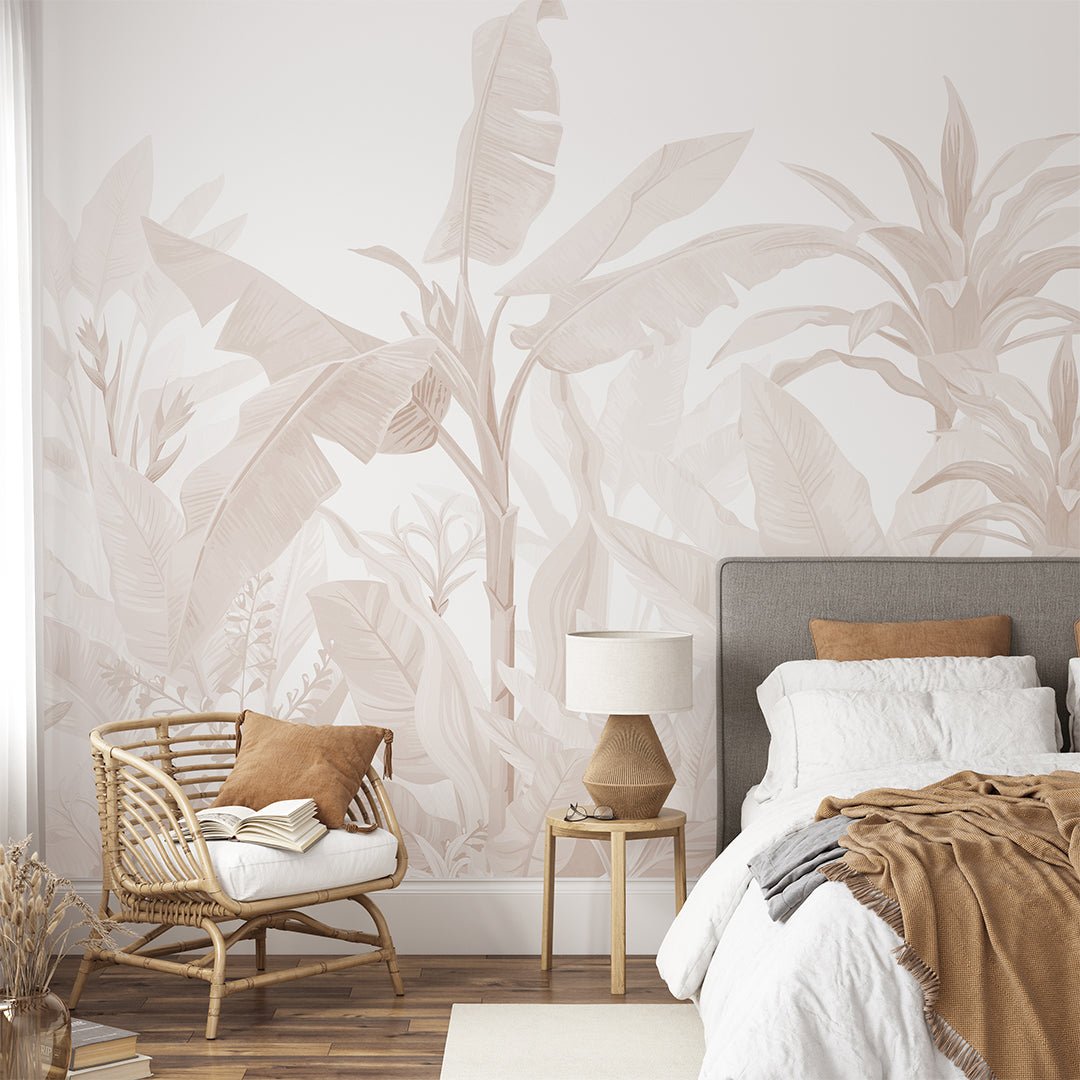
Light-colored wallpaper remains one of the easiest ways to make a small room feel more open. Soft neutrals, pale blue, sage green, light beige, dusty pink, and warm gray help reflect available light and reduce visual heaviness.
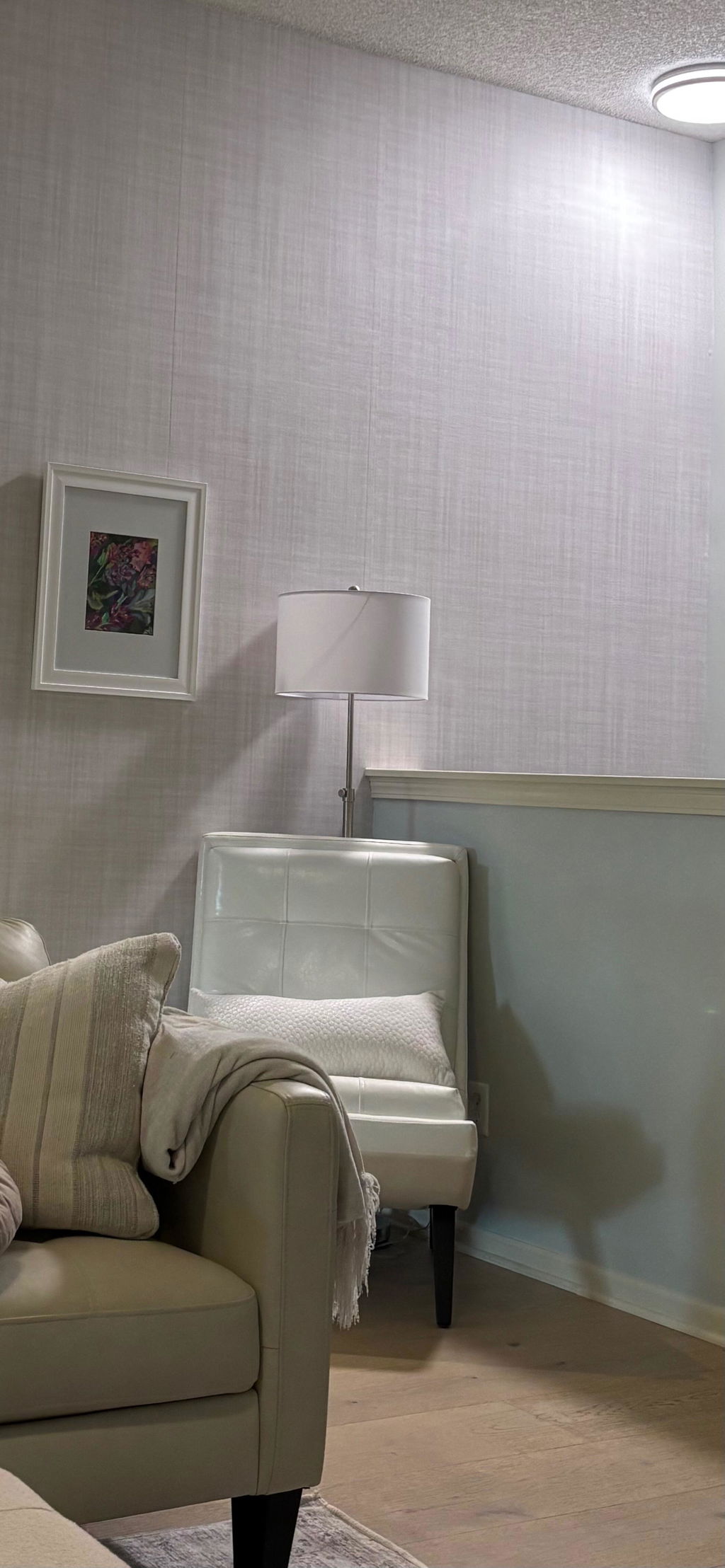
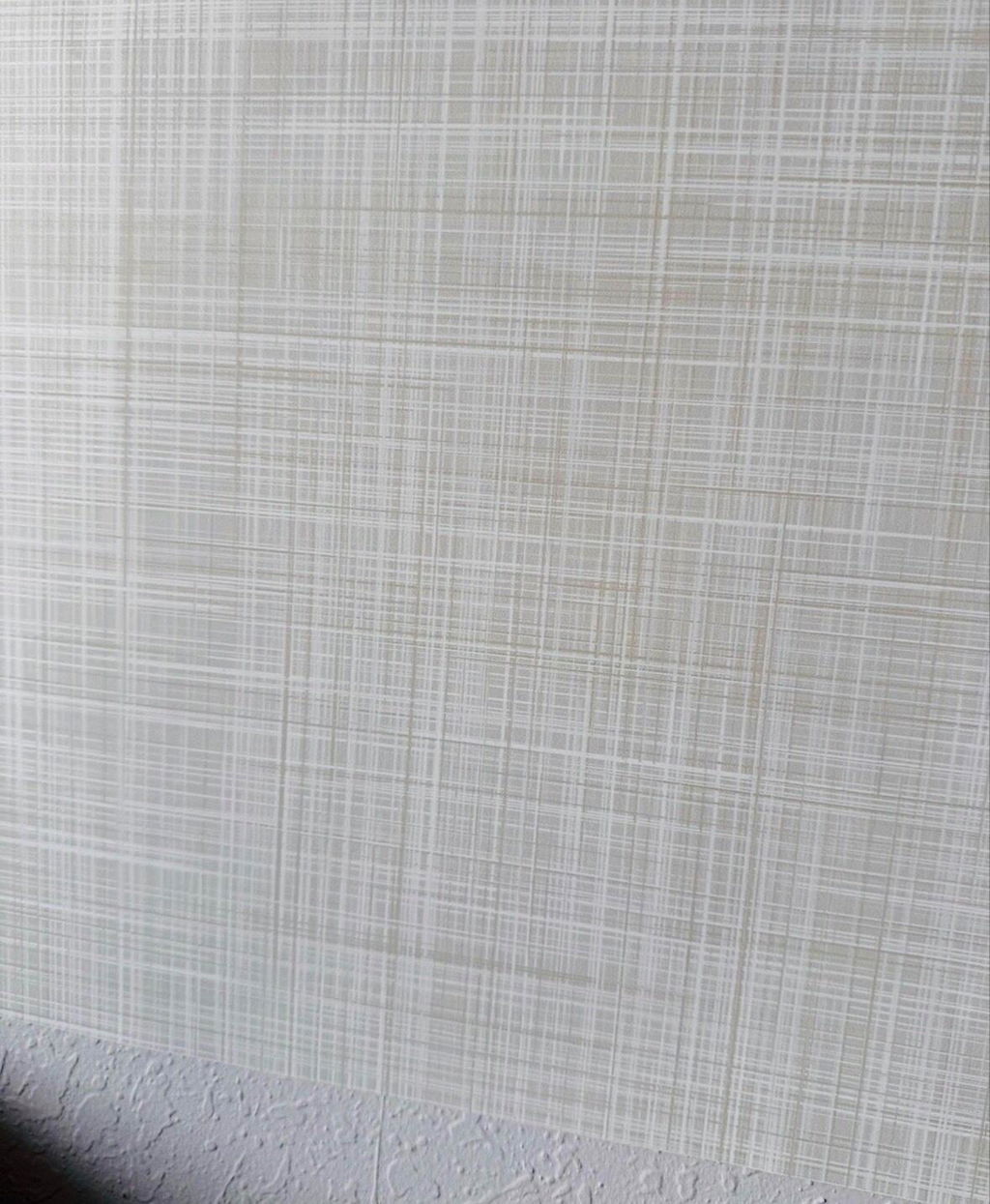
The wallpaper does not have to be plain. Delicate botanical illustrations, subtle textures, watercolor effects, and fine geometric lines can add personality without dominating the room.
Designs with pearlescent, metallic, or softly reflective details can distribute light across the walls. This can be especially useful in small entryways, bathrooms, and bedrooms with limited windows.
For an airy interior, explore light and neutral wallpaper or use a neutral wall mural to introduce visual depth without adding strong contrast.

Small vs. Large Patterns: How to Choose the Right Scale
Small patterns are often recommended for compact rooms because they create a consistent background and are easy to coordinate. Miniature florals, fine dots, delicate leaves, and narrow geometric repeats can work well in bedrooms, bathrooms, and home-office nooks.


However, small patterns are not always the best choice. A design with too many tightly packed elements may make the walls feel busy.
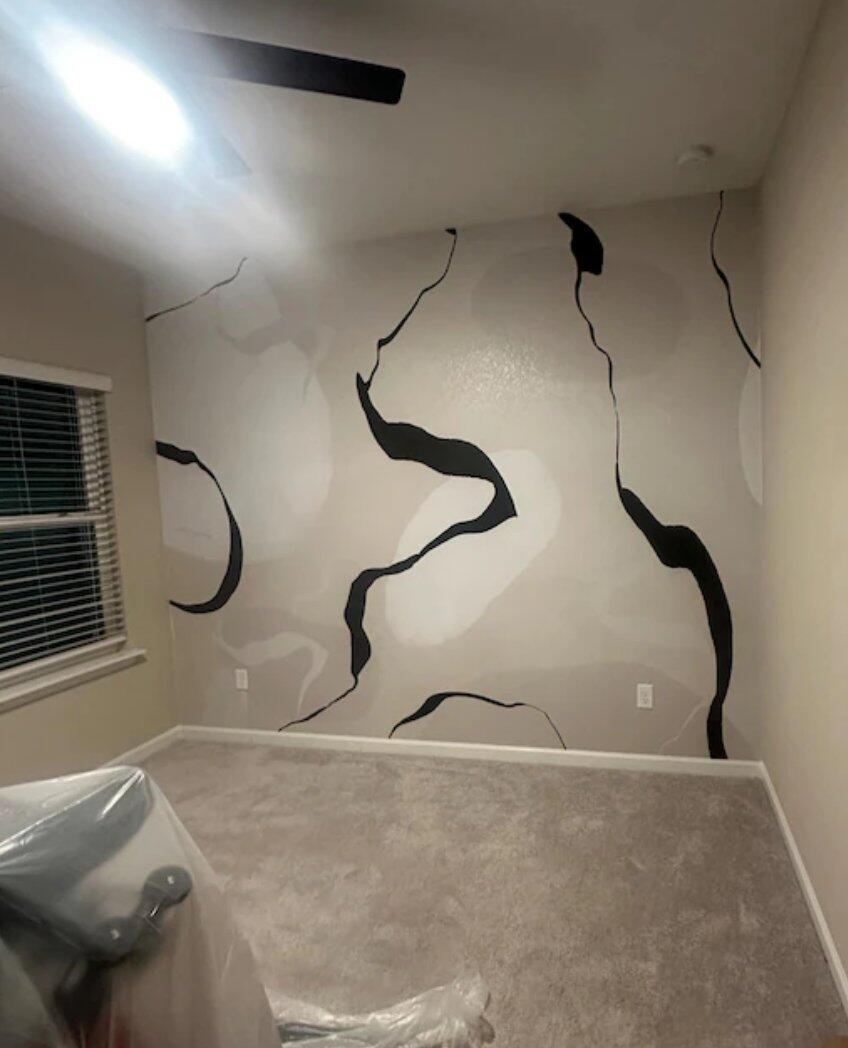
Larger patterns can create a stronger but cleaner effect. Oversized leaves, broad curves, large abstract shapes, and spacious florals may introduce less visual clutter because fewer repeats appear across the wall.
Use these practical guidelines:
- Choose a small or medium-scale pattern when the room already contains several pieces of furniture and decor.
- Consider a larger, more open pattern when the wall is relatively clear.
- Avoid designs where the repeat produces too many closely spaced focal points.
- Order a sample and view it from different parts of the room before making a final decision.
The visible wall area matters more than the total square footage. A small room with one wide, uninterrupted wall may accommodate a large floral design better than a bigger room filled with doors, shelving, and windows.
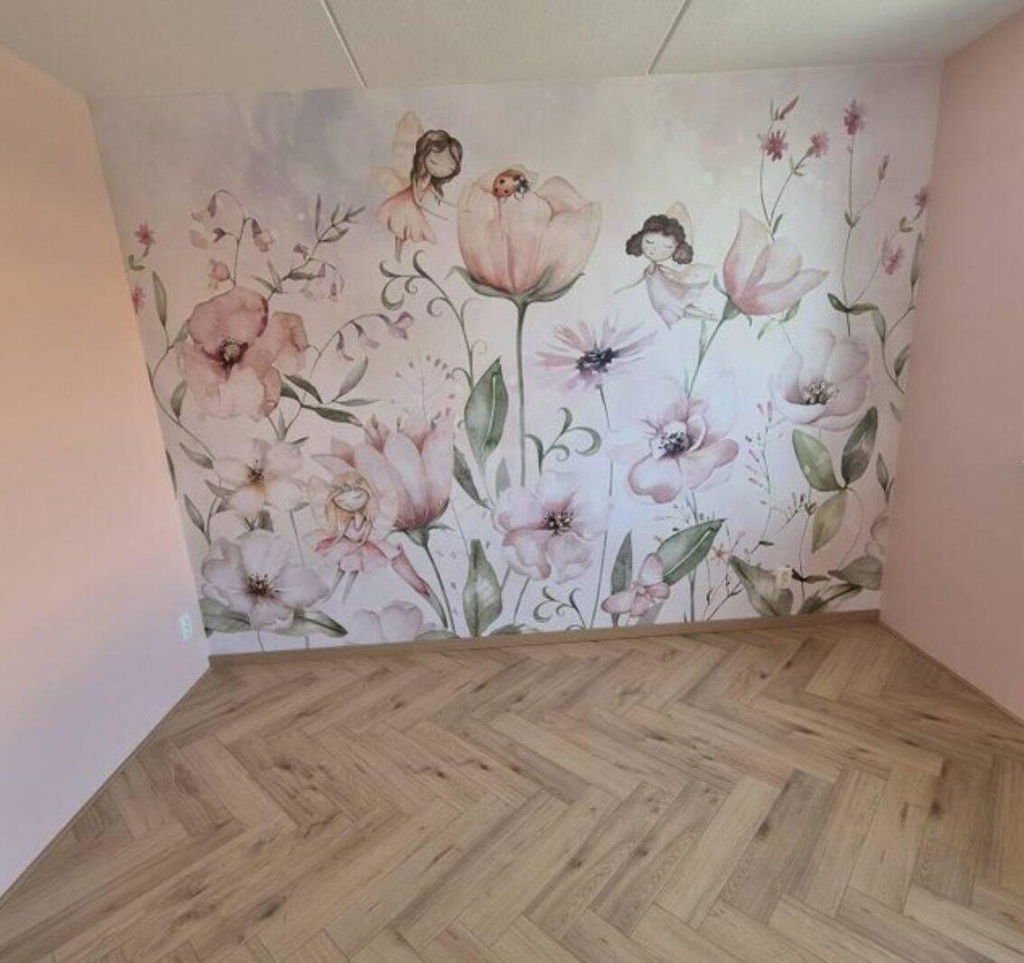
For softer styling, consider floral wallpaper. To create a more dramatic focal point, a floral wall mural can add scale without covering every wall.


Vertical vs. Horizontal Lines
Vertical stripes and upward-moving patterns draw the eye toward the ceiling. They are a strong choice for rooms with limited ceiling height, including small bedrooms, hallway corners, and attic spaces.
You do not have to use traditional stripes. Tall botanical stems, vertical arches, elongated geometric shapes, and upward-growing floral arrangements can create a similar effect.
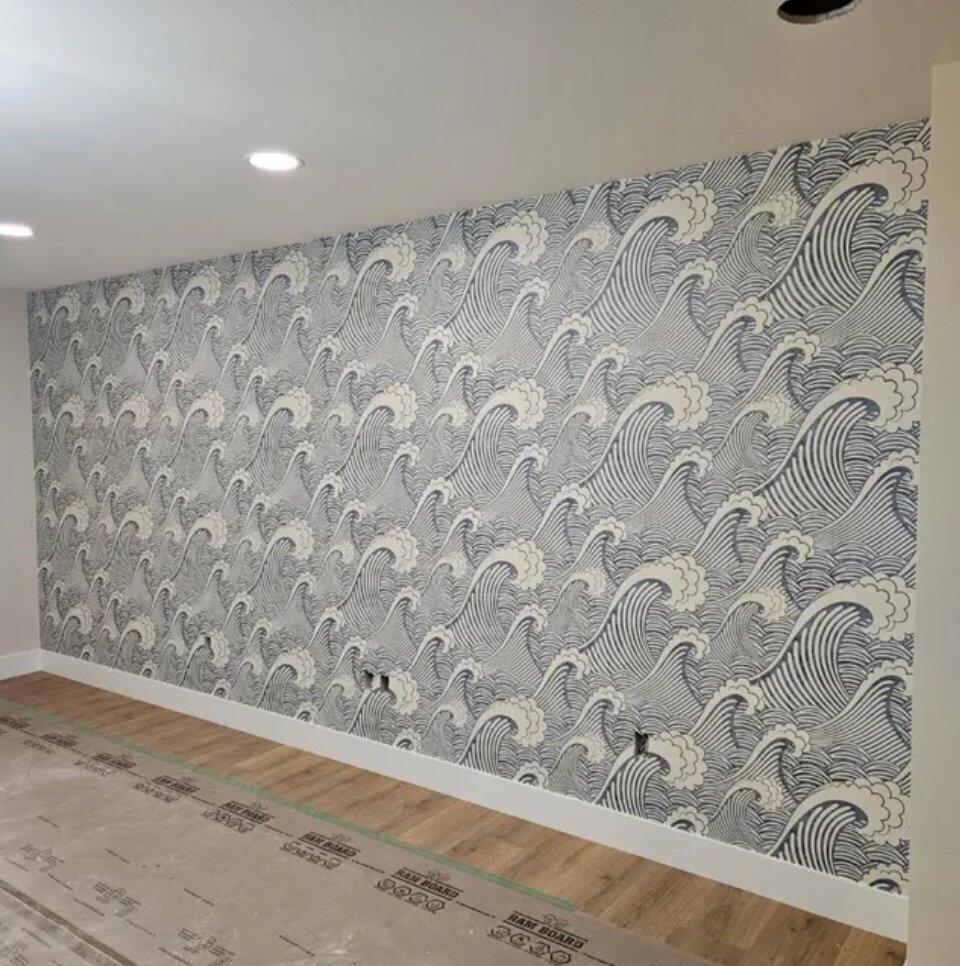
Horizontal lines lead the eye across the wall and can make a narrow room appear wider. They are particularly suitable for:
- compact living rooms;
- narrow entryways;
- short hallways;
- small bedrooms with limited wall width.
Use horizontal designs carefully in rooms with very low ceilings, as they may emphasize width rather than height.
You can explore striped wallpaper for directional designs or geometric wallpaper for patterns that visually reshape the room.


Murals and Designs That Add Depth
A wall mural can create the impression that a compact room extends beyond its physical boundaries. Landscapes, forests, misty mountains, architectural scenes, and abstract compositions with layered perspective are especially effective.
For the strongest sense of depth, choose a mural with:
- a visible horizon;
- overlapping foreground and background elements;
- gradual color transitions;
- paths, roads, arches, or branches that guide the eye inward;
- lighter or softer details in the distance.
A mural is often best placed on the wall visible immediately upon entering the room. Keep nearby furniture relatively simple so the scene remains the main focal point.
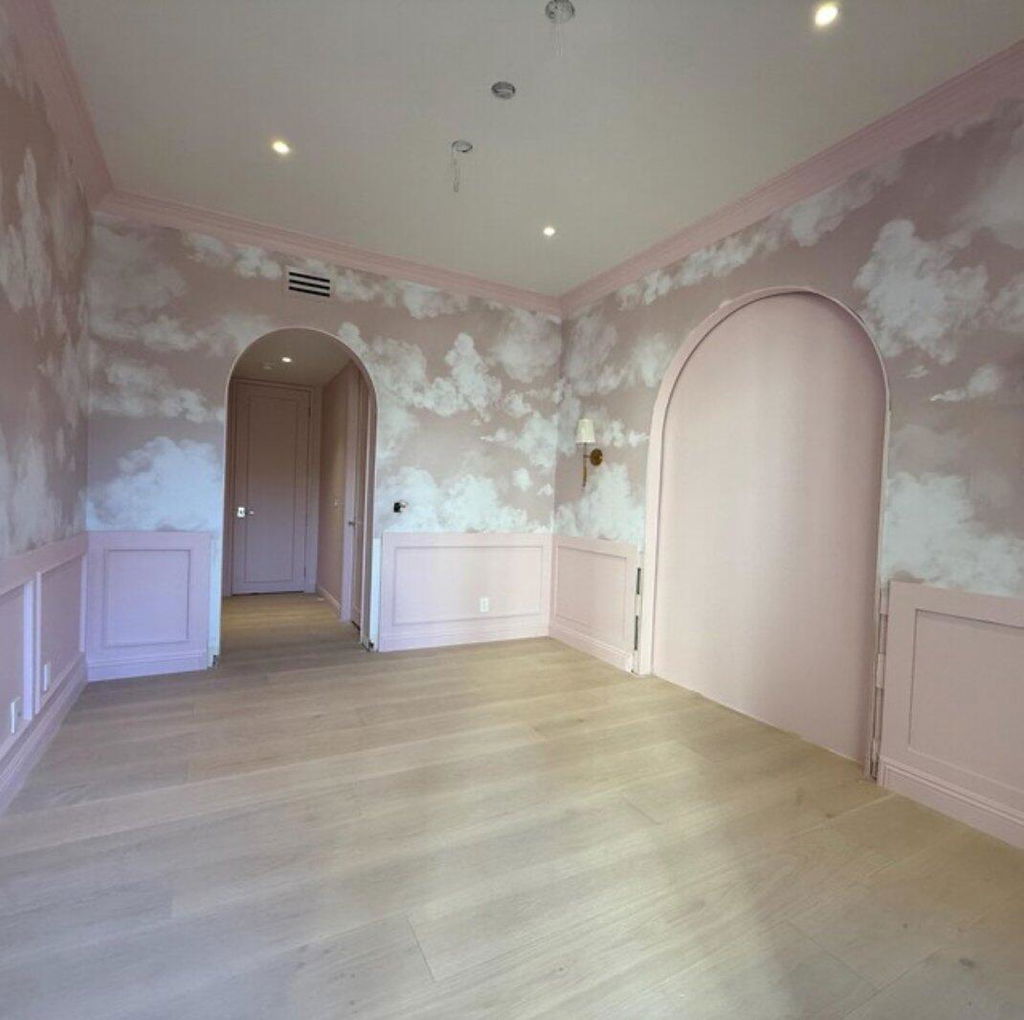
Wallpaper can also continue onto the ceiling to blur the boundary between the walls and the space above. Clouds, stars, botanical designs, and subtle all-over patterns are particularly suitable for this approach.
Browse the wall mural collection for scenic and abstract designs that can add visual distance to a compact interior.


Accent Wall vs. Full Room: Which Works Better?
Both approaches can work in a compact interior.
An accent wall is usually the safer choice when you want to introduce a dramatic color, bold pattern, or detailed mural. It creates a focal point without repeating the same visual weight across every surface.

Good locations for an accent wall include:
- behind the bed;
- behind a sofa;
- around a fireplace;
- behind a desk;
- on the wall facing the entrance.
Wallpapering all four walls can create a more cohesive and immersive result. This often works well with soft textures, restrained patterns, light botanical prints, or designs with generous negative space.
Full-room wallpaper may also make an irregularly shaped space feel more unified because it removes abrupt transitions between individual walls.
Before choosing, consider how much of each wall will remain visible. In a small bedroom with a wardrobe, curtains, headboard, and several doors, a full-room pattern may appear only in small sections. A single feature wall could create a clearer and more deliberate visual effect.

Small-Room Wallpaper Ideas by Room
Small Bedroom
Small bedroom wallpaper should support a restful atmosphere without making the walls feel visually heavy.
Suitable options include:
- soft floral wallpaper;
- vertical stripes;
- muted botanical prints;
- limewash and plaster-inspired textures;
- pale geometric patterns;
- a scenic mural behind the bed.
Use wallpaper behind the headboard to define the sleeping area without adding extra furniture. In a narrow bedroom, a horizontal design on the shorter wall can also improve the room’s perceived proportions.
Keep bedding and curtains relatively simple when using a detailed print. When the wallpaper is subtle, textiles can introduce additional pattern and contrast.
Explore bedroom wallpaper for designs suited to both feature walls and full-room applications.


Small Living Room
In a small living room, wallpaper can establish a clear focal point and make the space feel more intentionally designed.
Light wallpaper with an open pattern helps maintain an airy appearance. For more personality, use a bold print behind the sofa or on the main uninterrupted wall.
Avoid placing several competing patterns close together. If the wallpaper includes large florals or geometric forms, balance it with solid-colored upholstery and a limited selection of accessories.
A panoramic nature mural can also create visual distance, especially when installed behind low-profile furniture that does not cover the central part of the scene.


Small Bathroom or Powder Room
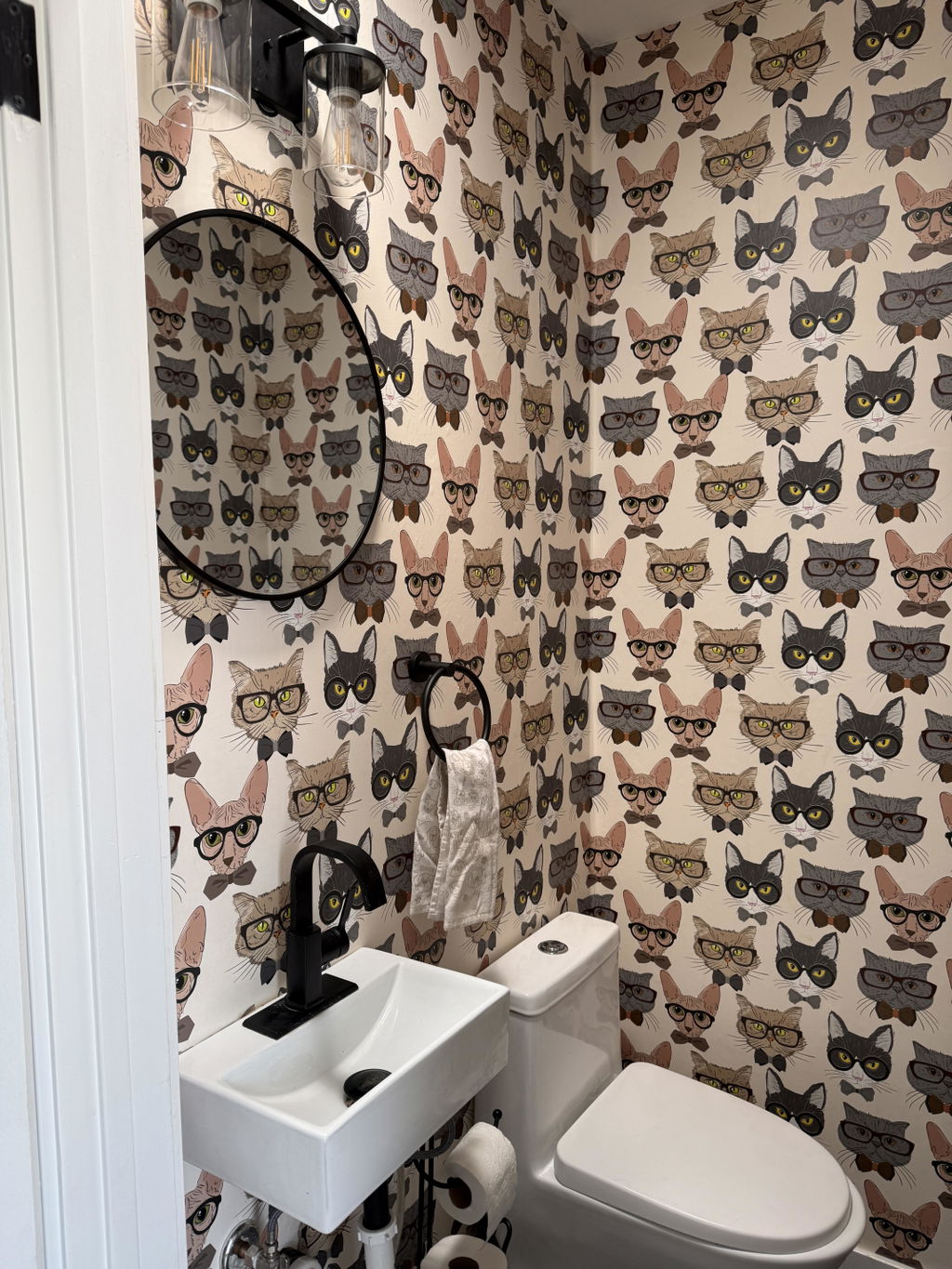
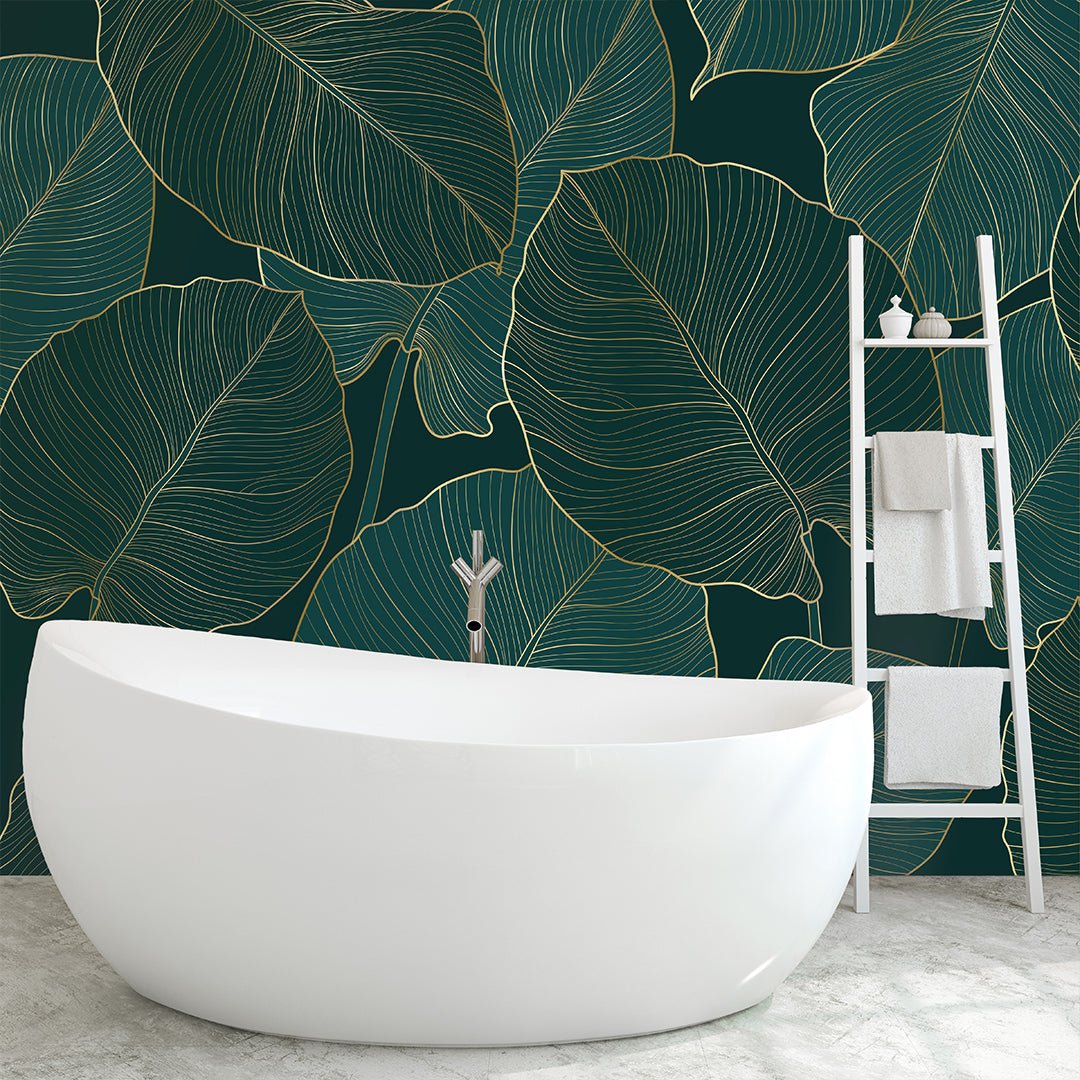
A powder room is an excellent place to experiment with expressive wallpaper. Because it is used for shorter periods, a bold design is less likely to feel overwhelming than it might in a bedroom or living room.
Popular choices include:
- dark botanical prints;
- Art Deco patterns;
- coastal designs;
- oversized florals;
- playful geometric wallpaper;
- metallic details.
Before installing wallpaper in a bathroom, confirm that the selected material is appropriate for the room’s moisture conditions. Wallpaper should generally remain away from direct and repeated water exposure unless the manufacturer specifically states otherwise.
Good ventilation and proper wall preparation are also essential for long-term performance.
Browse bathroom wallpaper for patterns that can transform a small powder room or guest bathroom.

Hallway or Entryway
A narrow hallway can feel wider with horizontal elements, light colors, or designs that visually extend along the wall. Vertical stripes are helpful when the area has a low ceiling.
Because hallways often receive less daylight, warm neutrals or designs with lighter backgrounds may work better than cool, shadowy tones.
Wallpaper can also define an entryway within an open-plan home. Applying it to a small section near the door creates a visual zone without requiring a physical divider.


Home-Office Nook
A compact work area benefits from wallpaper that visually separates it from the surrounding room.
Apply wallpaper behind the desk to create a defined background for work and video calls. Fine geometrics, brushstroke designs, neutral textures, and restrained botanical prints can add interest without becoming distracting.
For a more energizing workspace, consider muted yellow, blue, green, or terracotta. Avoid highly contrasting patterns directly in your line of sight when the area is used for long periods of focused work.


Small Kitchen
Wallpaper can introduce warmth and color to a compact kitchen without occupying valuable floor space.
Suitable placements include:
- a breakfast nook;
- the wall behind open shelving;
- a dining corner;
- the end of a cabinet run;
- a wall away from the sink and stove.
Botanical, fruit-inspired, vintage, tile-effect, and subtle geometric designs can all work well. As with bathrooms, choose the placement and material carefully in areas exposed to heat, steam, grease, or water.
Browse kitchen wallpaper for patterns designed to bring character to breakfast areas, dining corners, and compact kitchens.


Kids' Room
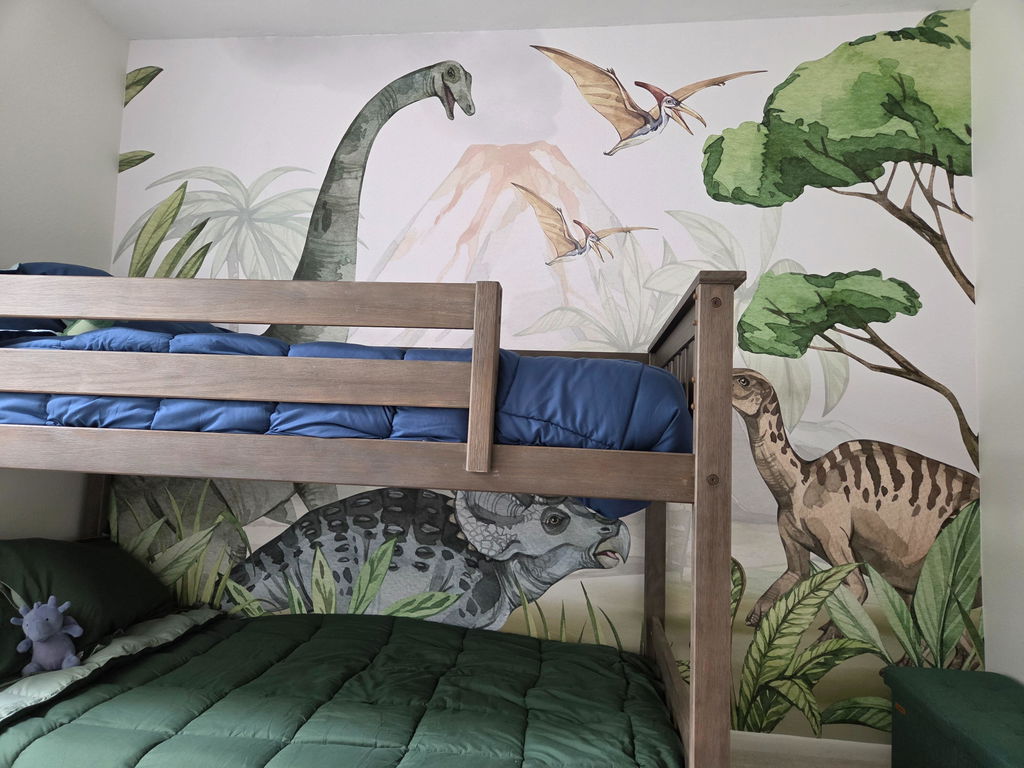
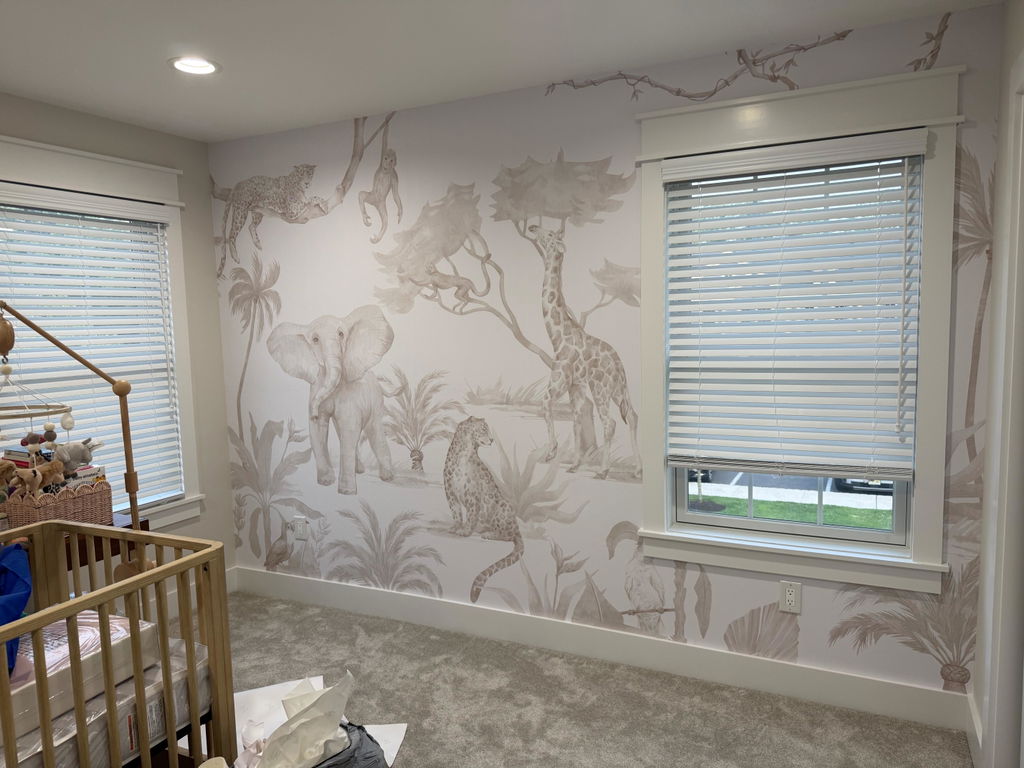
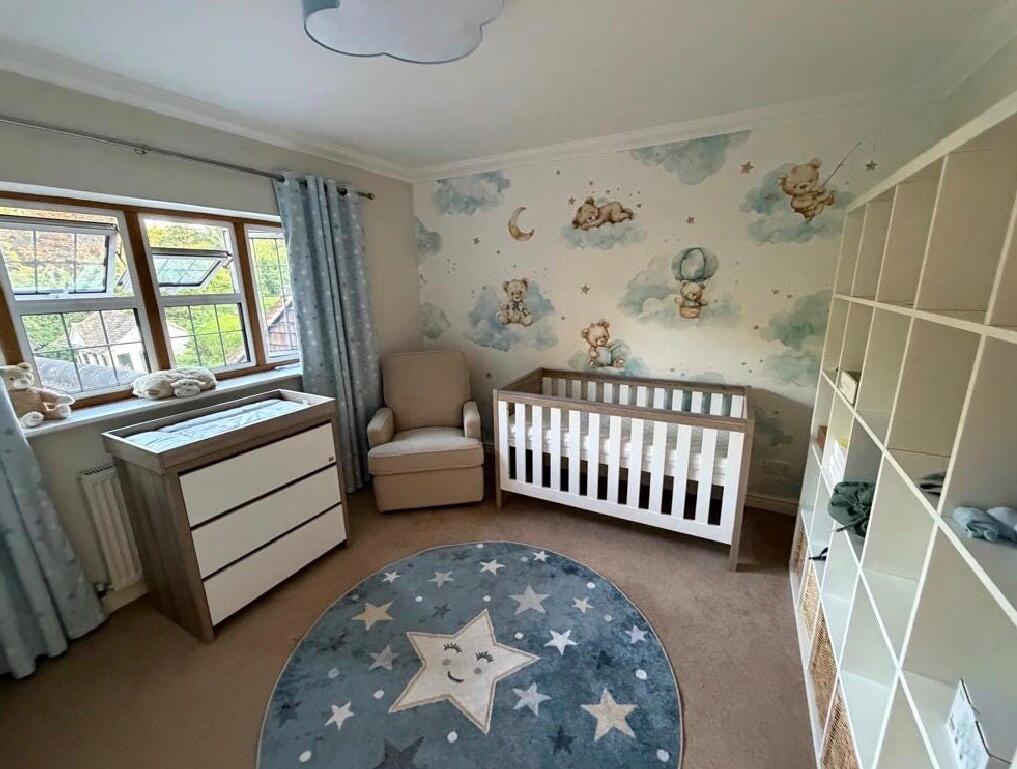
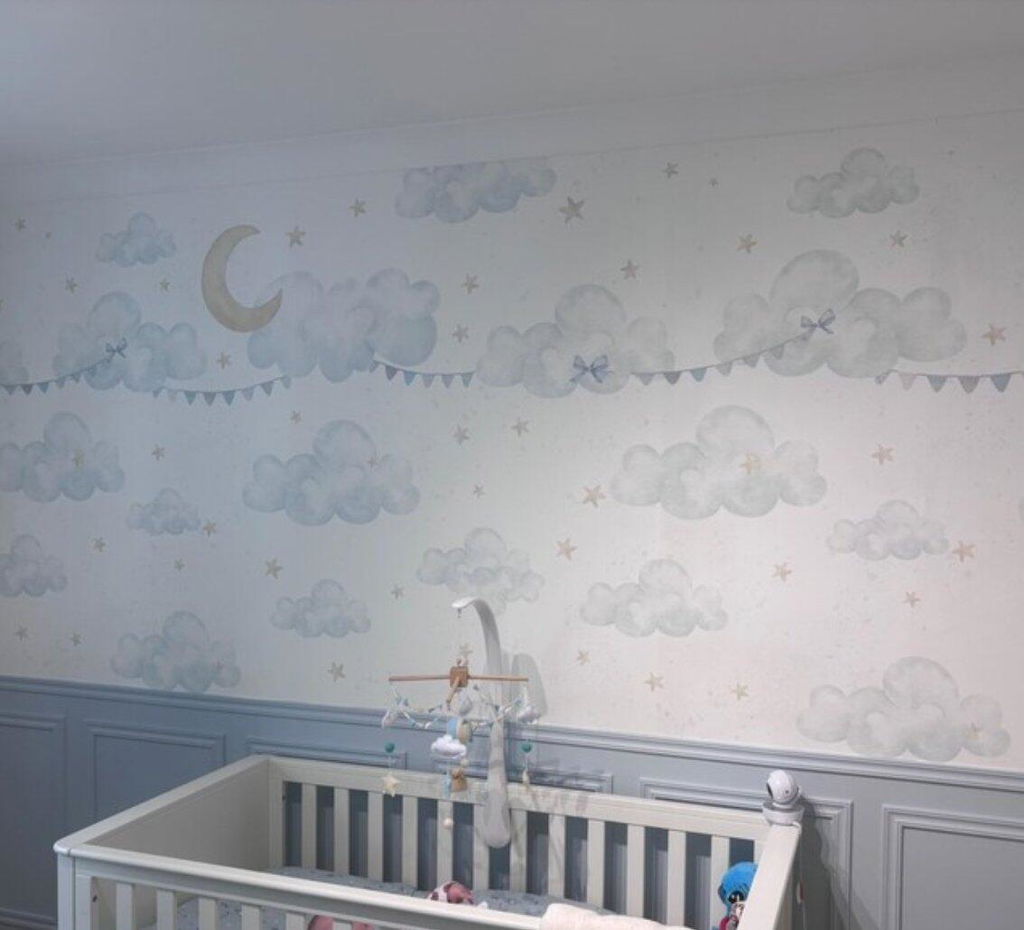
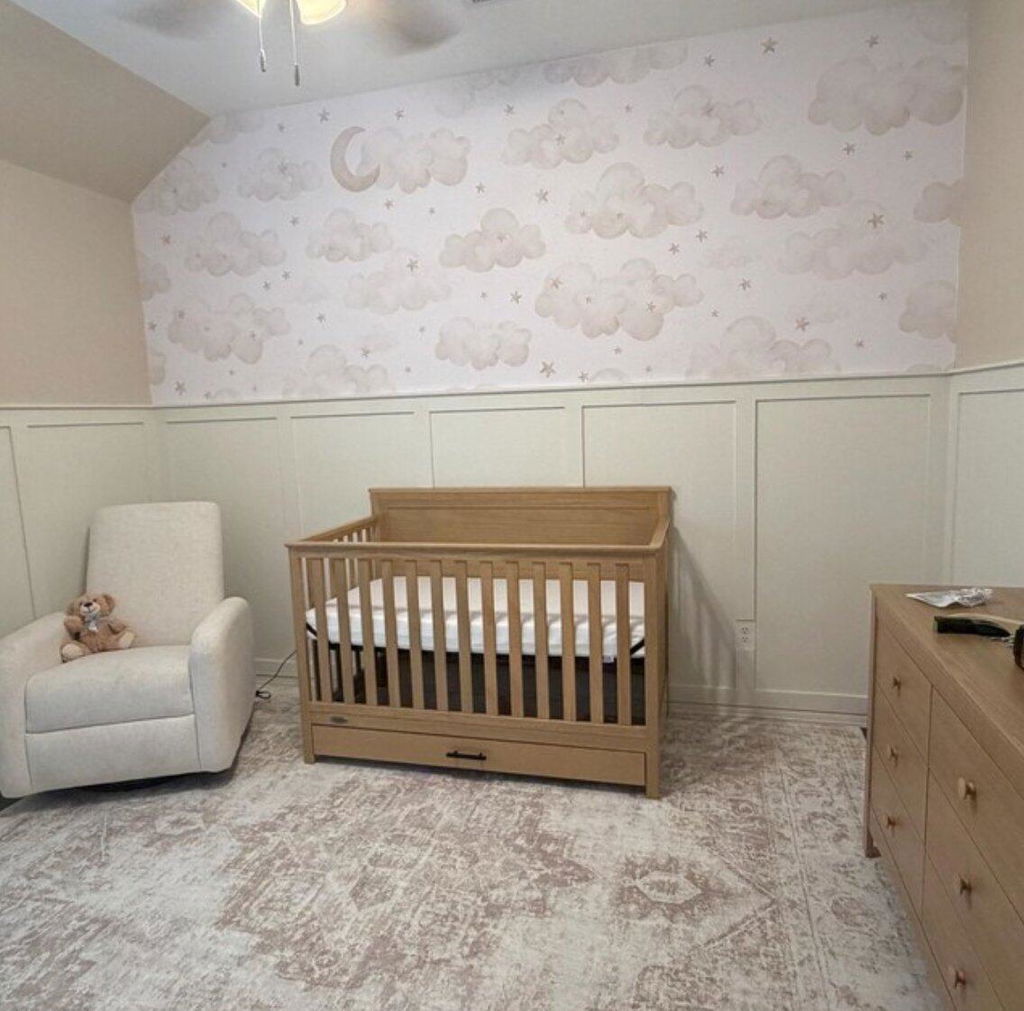
Wallpaper can make a small kids' room feel brighter, more imaginative, and better organized without taking up any valuable floor space. Soft colors, playful illustrations, and nature-inspired designs help create a room that grows with your child while still feeling open and uncluttered.
For smaller nurseries and children's bedrooms, choose wallpaper with light backgrounds and spacious patterns rather than dense, high-contrast prints. Gentle florals, woodland animals, clouds, stars, rainbows, or minimalist geometric designs add personality without overwhelming the room.


Ready to Make Your Small Room Feel Bigger?
Discover removable wallpaper and panoramic wall murals designed to add depth, brightness, and personality to compact spaces.